The dream of sending humans to Mars has always been accompanied by a hefty price tag, but the latest estimate for NASA’s nuclear-powered mission suggests the cost may exceed 2 billion. This figure reflects the immense technical challenges and safety requirements involved in developing nuclear thermal propulsion systems. As the agency moves closer to this ambitious goal, the financial reality serves as a reminder of the scale of investment required to reach the Red Planet.
Nuclear thermal propulsion offers a significant advantage over traditional chemical rockets, potentially cutting travel time to Mars in half. By using a nuclear reactor to heat hydrogen propellant, the system can achieve higher efficiency and speed. However, designing, testing, and launching such a system involves complex engineering hurdles and strict regulatory oversight, all of which contribute to the rising costs.
The 2 billion estimate covers the development of the reactor, the propulsion system, and the necessary ground tests. It does not include the cost of the spacecraft itself or the crewed mission operations, which will add billions more to the total budget. This phased approach allows NASA to manage risk and ensure that each component meets rigorous safety standards before integration.
Public and political support for such expensive endeavors often hinges on perceived value. Proponents argue that nuclear propulsion is essential for sustainable exploration, enabling more frequent missions and reducing astronaut exposure to cosmic radiation. Critics, however, question whether the benefits justify the expenditure, especially when other scientific priorities compete for funding.
International partnerships may help share the burden. Collaborating with other space agencies and private companies could distribute costs and accelerate development. NASA is already engaging with industry partners to leverage commercial innovations, hoping to drive down prices through competition and shared expertise.
The timeline for the mission remains flexible, with targets shifting as technology matures. While the initial goal was to launch in the early 2030s, delays in funding or technical setbacks could push this date further out. Each delay adds to the cost, creating a cycle that requires careful management to avoid budget overruns.
Despite the challenges, the pursuit of nuclear propulsion represents a critical step in human spaceflight. It promises to transform Mars from a distant destination into an accessible frontier. The investment, though large, is seen by many as necessary for establishing a long-term presence beyond Earth.
As NASA navigates the financial and technical complexities of its nuclear Mars mission, the 2 billion mark is just one milestone in a long journey. The ultimate goal of reaching Mars requires not just money, but innovation, patience, and global cooperation. The path forward is expensive, but for many, the destination is priceless.
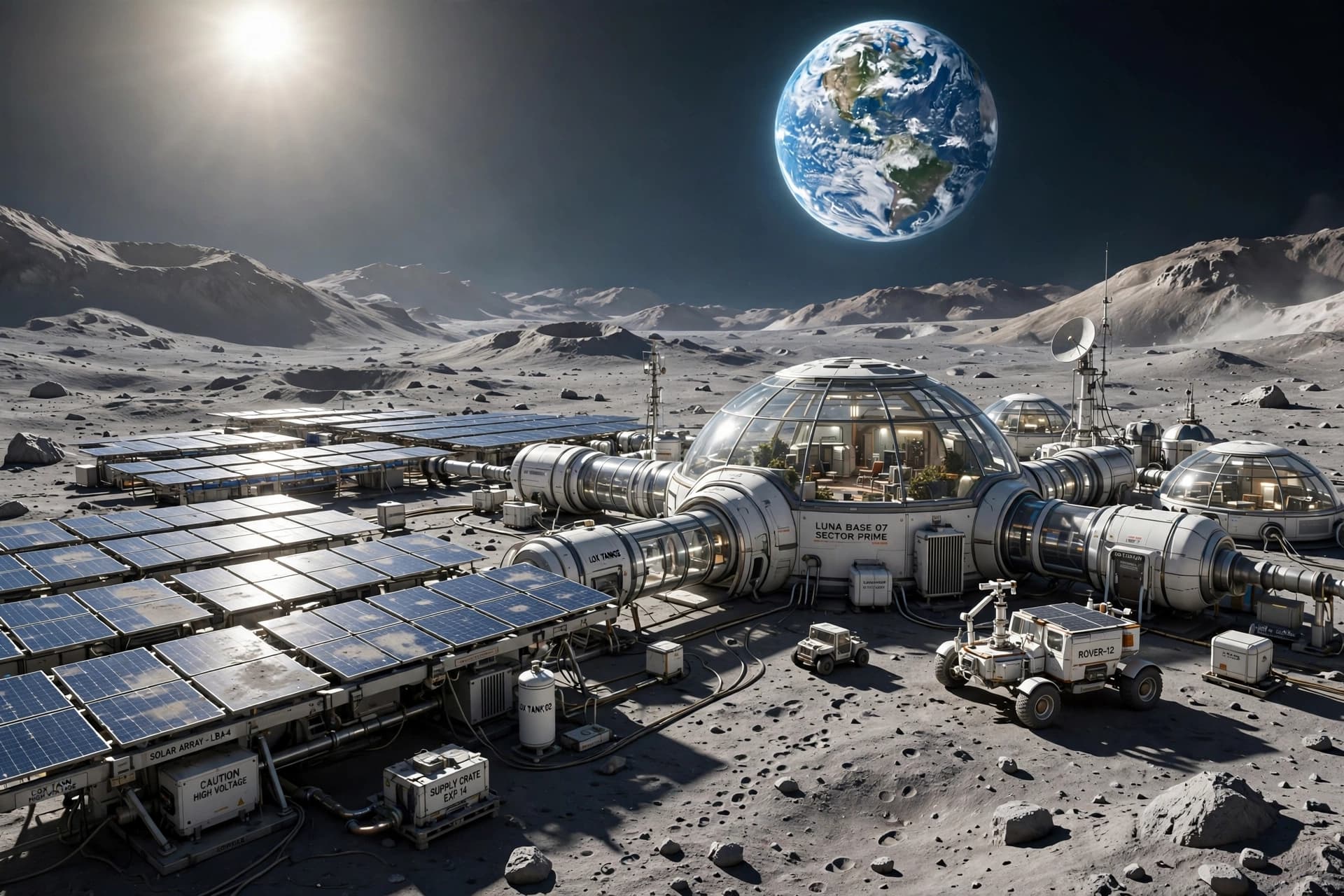
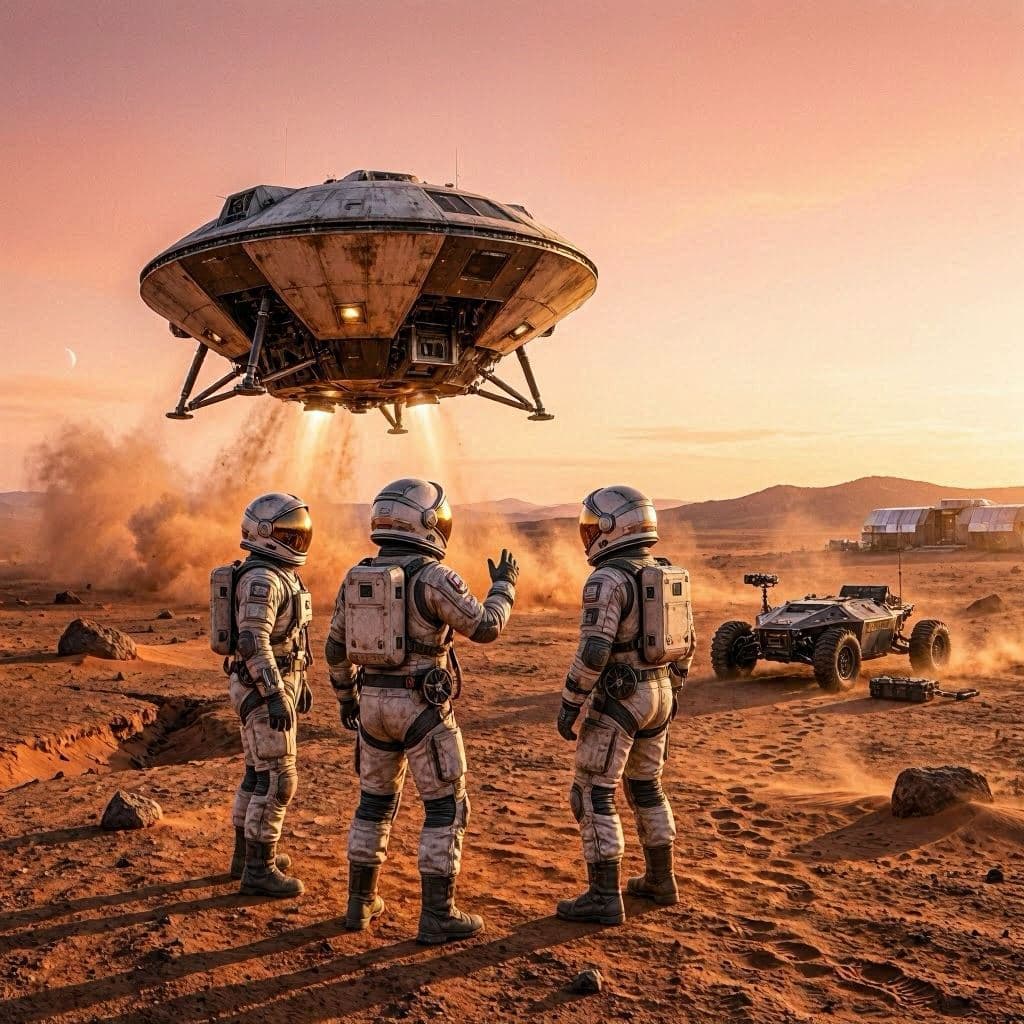
AI Image Disclaimer: The images associated with this article are AI-generated concepts of nuclear spacecraft and Mars landscapes, created to visualize the future of space exploration.
Sources: NASA Official Website SpaceNews The Verge Reuters
Published by Banx Network. This article is part of the Banx decentralized media programme, powered by the BXE token on the XRP Ledger.


.jpg&w=3840&q=75 "New Wild Cat Species Identified for First Time in 100 Years, Researchers Say")