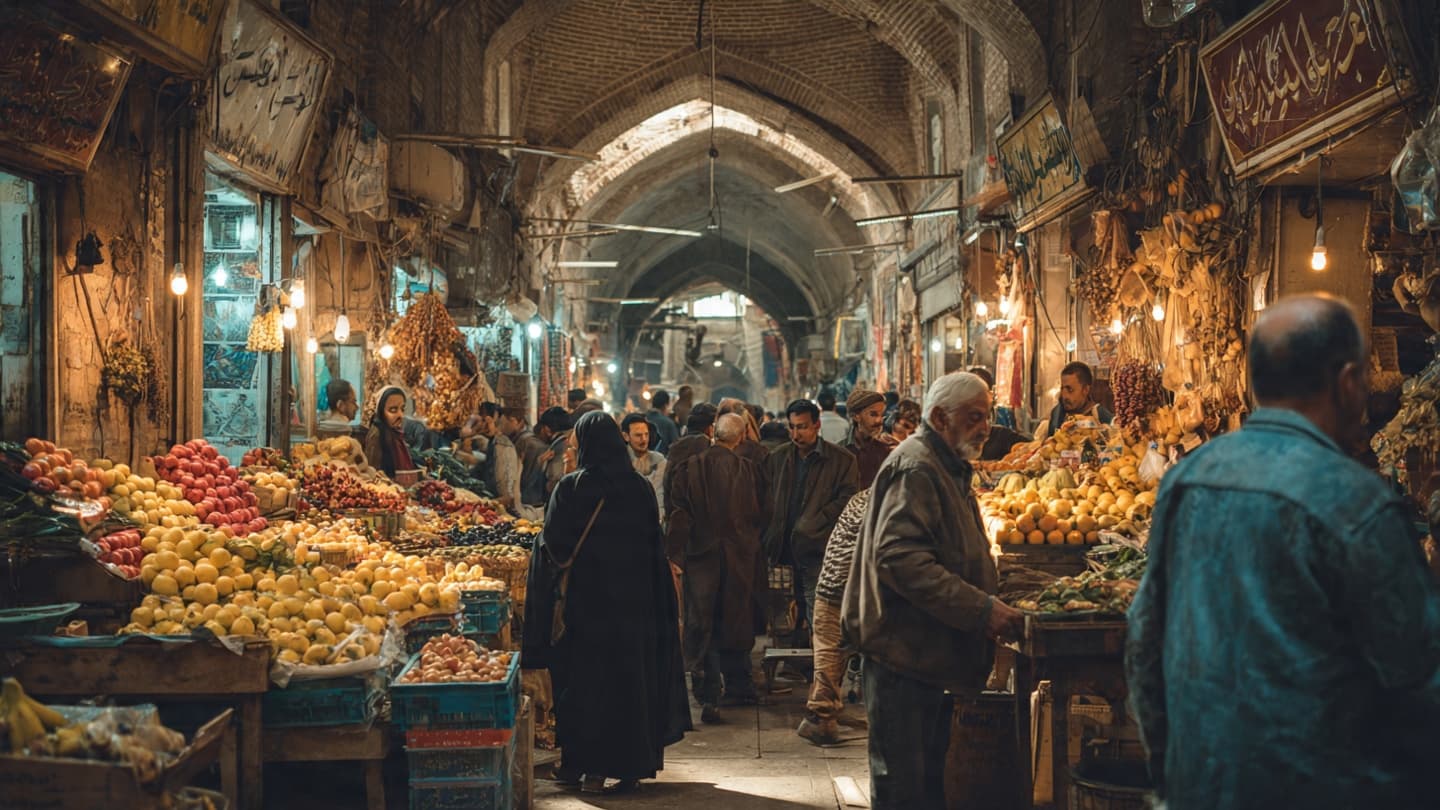
Morning arrives over Tehran with familiar rituals that have long defined the city. Bakers open their ovens before sunrise, shopkeepers raise metal shutters, and buses begin carrying workers through streets framed by the Alborz Mountains. Life continues with remarkable persistence, even when uncertainty hangs quietly over the routines that once seemed predictable.
In recent weeks, many Iranian families have found themselves navigating a convergence of pressures. The effects of heightened military tensions involving the United States have coincided with longstanding economic difficulties, creating new uncertainty for households already coping with inflation, currency volatility, and the rising cost of daily necessities. While headlines often focus on diplomacy and regional security, much of the country's attention remains fixed on the practical challenges of everyday life.
Markets across major cities have reflected those concerns. Prices for food, household goods, and imported products have fluctuated as supply chains adjust to regional instability and businesses respond to changing economic conditions. For many families, careful budgeting has become an increasingly familiar exercise, with purchasing decisions shaped by caution rather than confidence.
Small business owners have also described a more uncertain commercial environment. Merchants in traditional bazaars report slower customer traffic, while manufacturers and retailers continue adapting to higher operating costs and periodic disruptions affecting imports, exports, and transportation. Economic resilience has become less about expansion than about maintaining continuity through changing circumstances.
The broader economic landscape has been influenced by years of international sanctions, domestic structural challenges, and shifts in global energy markets. Analysts note that recent security tensions have added another layer of complexity, affecting investor confidence, trade planning, and public expectations even where direct physical disruptions have been limited.
For younger Iranians, the conversation often extends beyond current events toward longer-term questions about employment, education, and opportunity. University graduates entering the workforce continue to face a competitive labor market, while many families seek stability amid circumstances that can change rapidly. These concerns are woven into daily conversations at homes, workplaces, and neighborhood cafés throughout the country.
Despite these pressures, communities continue to display remarkable adaptability. Local businesses adjust inventories, families support one another through extended networks, and neighborhoods maintain traditions that have endured through previous periods of hardship. Festivals, family gatherings, and ordinary acts of hospitality remain important reminders that daily life cannot be measured solely through economic indicators or geopolitical developments.
International observers continue to monitor the humanitarian implications of the current situation alongside broader regional security concerns. Economists, aid organizations, and policy analysts emphasize that prolonged instability often carries consequences extending well beyond government institutions, reaching households whose primary concerns remain affordable food, secure employment, healthcare, and education.
As evening settles across Tehran, the city's lights continue to illuminate streets filled with familiar movement. Families return home carrying groceries, children finish their homework, and conversations drift between hope and uncertainty. The broader geopolitical landscape may remain unsettled, yet the quiet determination to preserve ordinary life continues to define much of the country's daily experience. In times when history seems to move quickly, it is often these ordinary moments that reveal the deepest measure of resilience.
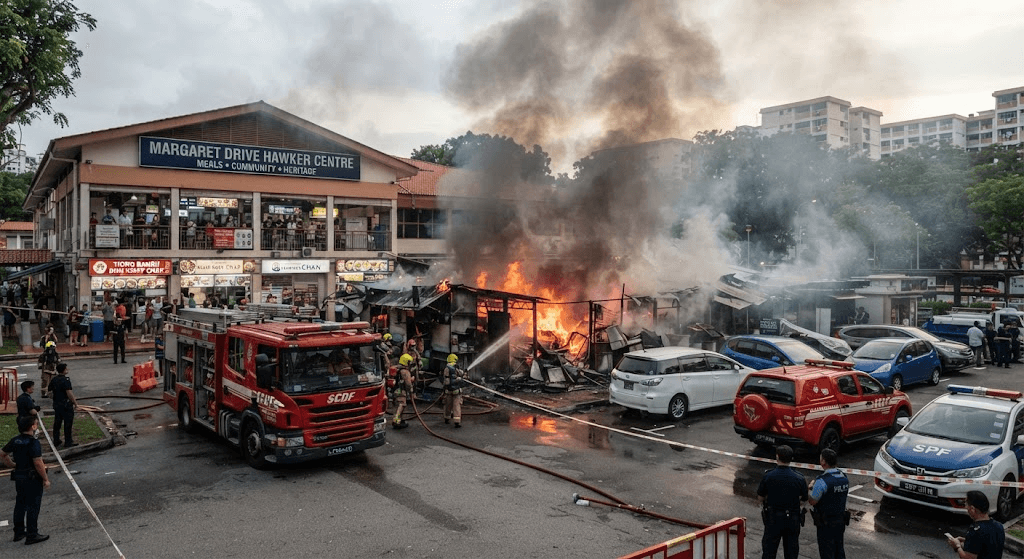
AI Image Disclaimer: The accompanying visuals were generated using AI as conceptual illustrations and do not represent actual photographs of the reported events.
Sources: Reuters, Associated Press, International Monetary Fund, World Bank, United Nations.
Published by Banx Network. This article is part of the Banx decentralized media programme, powered by the BXE token on the XRP Ledger.