Morning arrives differently across the vast expanse of Africa. In some places, it comes with the hum of markets reopening, in others with the quiet rustle of fields being tended under a rising sun. The rhythms are local, grounded in place and season. Yet beyond these landscapes, forces set in motion far away begin to press gently, then steadily, against the edges of daily life.
Once again, a global crisis—shaped elsewhere, unfolding across distant regions—has begun to leave its imprint on African economies. The causes are complex and far removed: conflict disrupting energy supplies, shifting trade patterns, and financial uncertainty rippling through global markets. But the effects arrive with a familiar weight, settling into the cost of fuel, the price of food, and the fragile balance of national budgets.
Many countries across the continent rely heavily on imports for essential goods, particularly energy and staple foods. When global prices rise, the impact is immediate and difficult to absorb. Governments, already managing debt burdens and development priorities, find themselves navigating a narrowing path—balancing subsidies, currency pressures, and public expectations.
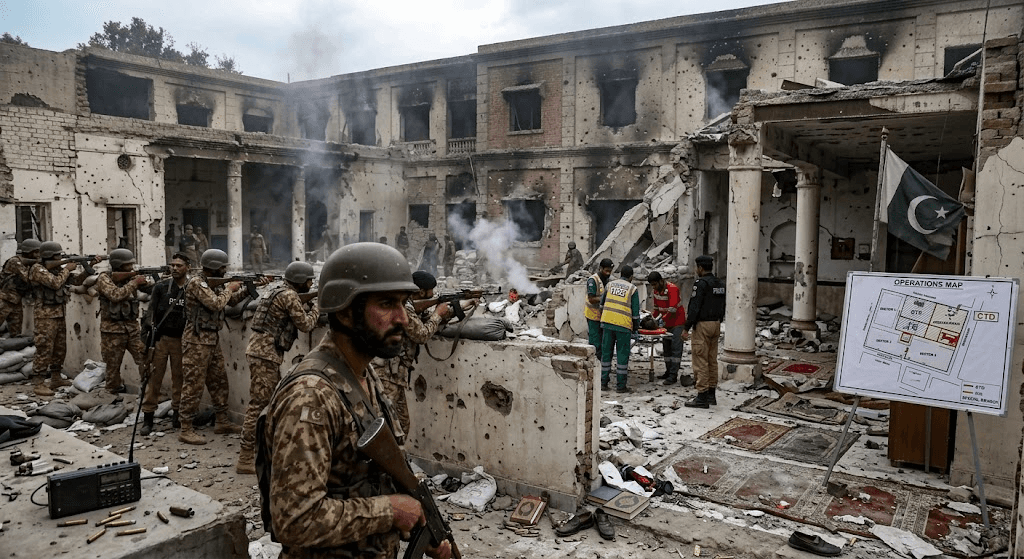
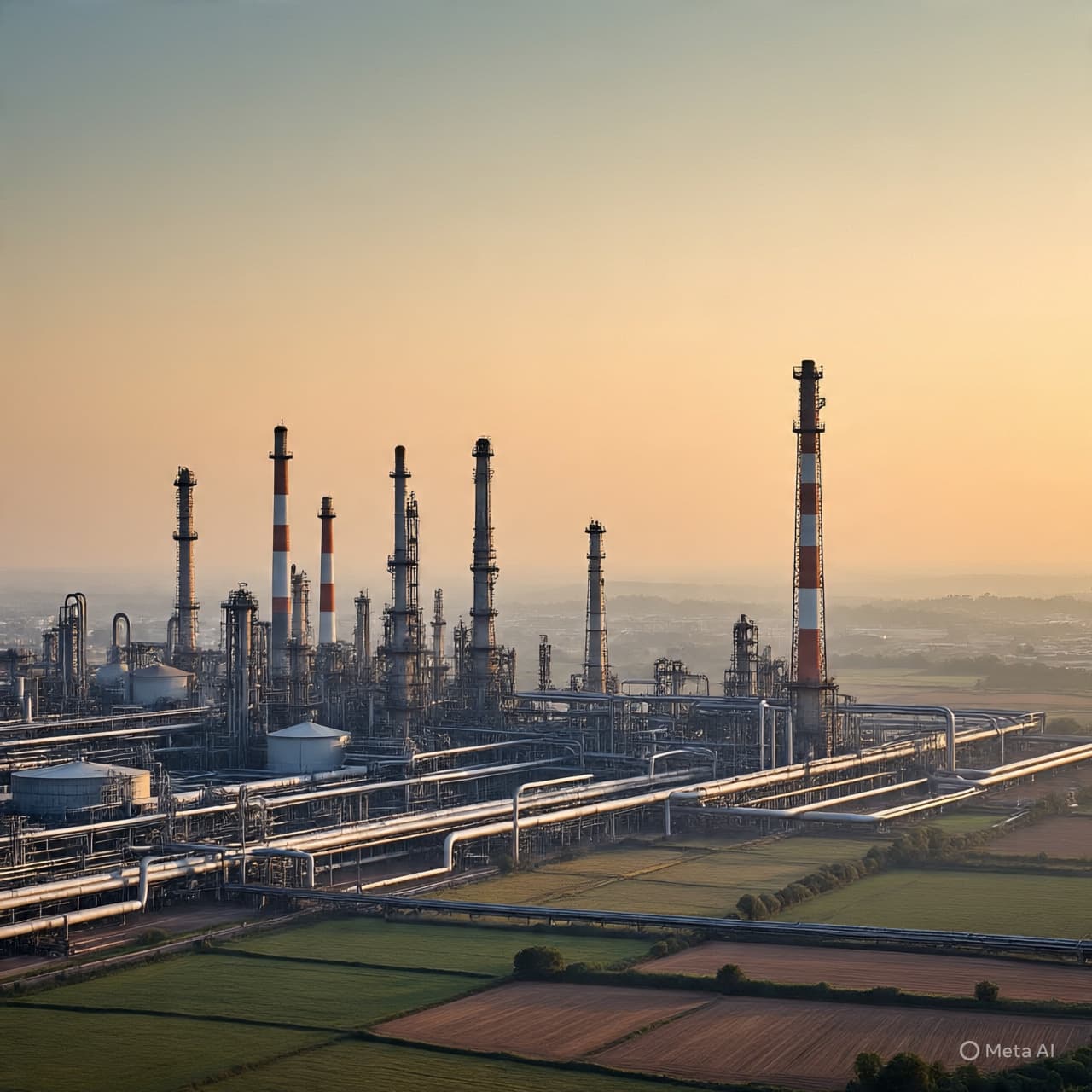
In recent months, increases in oil prices linked to tensions in the Middle East have added to this strain. Transportation costs rise, filtering through supply chains and affecting everything from agriculture to urban commerce. For households, the shift is felt not in abstract figures, but in daily decisions—what to buy, what to postpone, what to do without.
Food security, too, remains closely tied to global dynamics. Disruptions in grain exports and fertilizer supply, influenced in part by the ongoing conflict between Russia and Ukraine, continue to shape availability and affordability. Even as local harvests vary from region to region, the broader system within which they exist remains interconnected.
There is a quiet resilience in how communities respond. Informal economies adapt, trade routes shift, and households adjust their patterns with a kind of practiced flexibility. Yet resilience does not erase vulnerability. Each new external shock arrives layered upon those that came before, compounding pressures that are already deeply felt.
International institutions and regional bodies have acknowledged these challenges, calling for coordinated responses that include financial support, debt relief, and measures to stabilize markets. Such efforts, while significant, often move at a pace that contrasts with the immediacy of need on the ground.
The sense of distance between cause and effect remains striking. Decisions made in far-off capitals, events unfolding across oceans, find their way into the everyday realities of people who had little connection to their origins. It is a reminder of how closely linked the global system has become, and how unevenly its burdens are distributed.
As the day moves forward across Africa’s varied landscapes, life continues with its characteristic rhythm. Markets remain open, fields are worked, and cities move with their familiar energy. Yet beneath that continuity lies an awareness—subtle but persistent—that the world beyond the horizon is once again shaping what is possible within it.
The facts are clear: a global crisis, driven by conflicts and economic shifts elsewhere, is placing renewed strain on African economies, affecting energy costs, food security, and fiscal stability. The continent, once again, finds itself responding to forces it did not set in motion.
In that response, there is both endurance and quiet recalibration. The pressures may arrive from afar, but the ways of navigating them are deeply rooted, shaped by experience and necessity. And in that balance—between external force and internal resilience—the story continues, measured not in headlines alone, but in the steady persistence of daily life.
AI Image Disclaimer Visuals are AI-generated and serve as conceptual representations.
Sources Reuters World Bank International Monetary Fund BBC News Al Jazeera
Published by Banx Network. This article is part of the Banx decentralized media programme, powered by the BXE token on the XRP Ledger.