
Key Highlights
- Global crises are impacting African economies, affecting energy and food prices.
- Rising oil prices and supply chain disruptions are straining households.
- Communities show resilience through adaptation and informal economies.
Africa's vast landscapes greet the morning with diverse rhythms, from bustling markets to serene fields. Yet, as the sun rises, external forces from distant lands begin to influence daily life across the continent. The current global crisis, shaped by conflicts and economic shifts, is leaving a significant imprint on African economies, particularly in the realms of energy costs and food security.
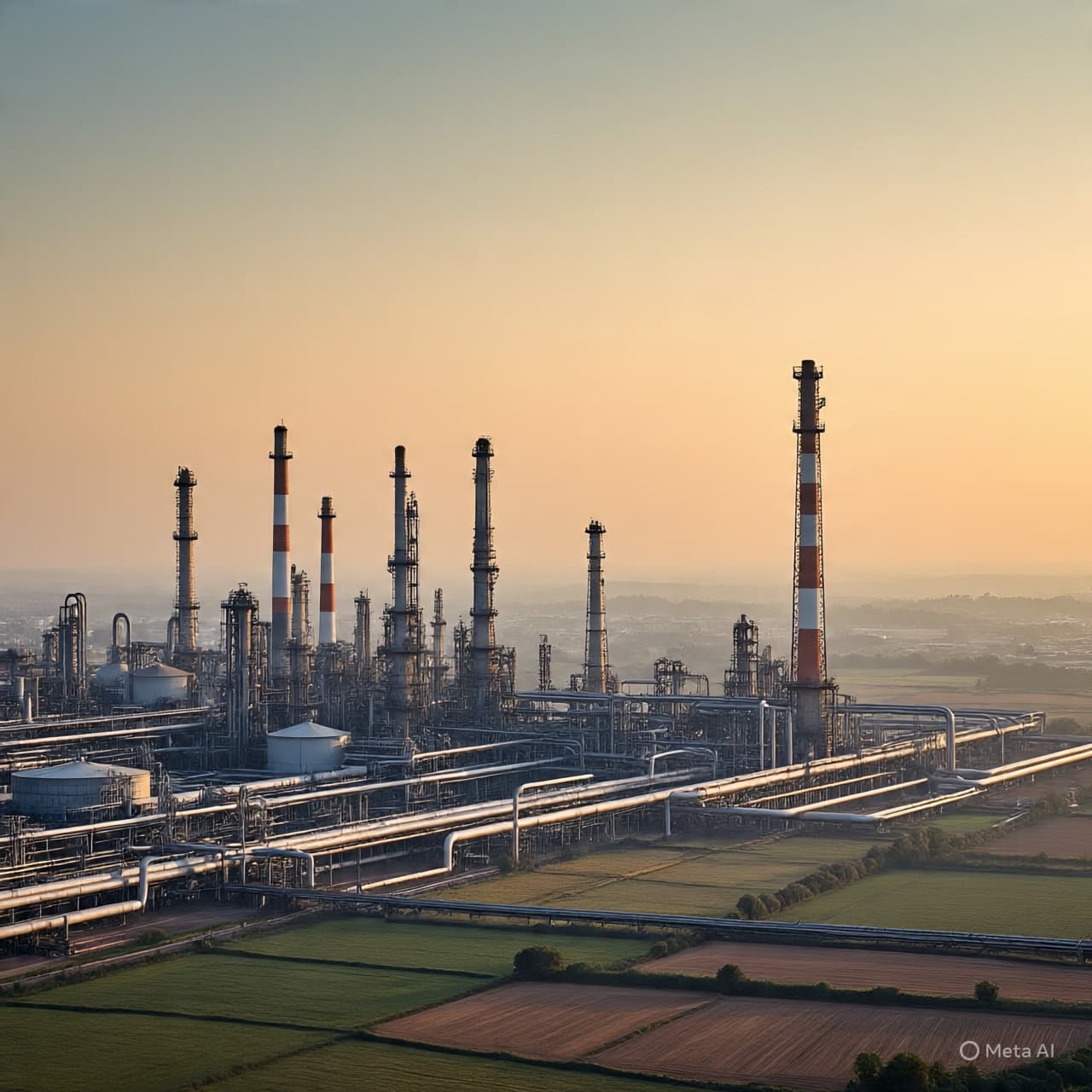
Countries in Africa often rely heavily on imports for essential goods, especially energy and staple foods. When global prices surge, the repercussions are immediate and challenging to manage. Governments, already grappling with debt and development priorities, find themselves in a precarious position, attempting to balance subsidies, currency pressures, and public expectations. The recent spike in oil prices, linked to geopolitical tensions in the Middle East, has exacerbated these challenges, leading to increased transportation costs that ripple through supply chains, affecting everything from agriculture to urban commerce.
For households, the impact of rising prices is tangible. Families are forced to make difficult decisions about what to purchase, what to delay, and what to forgo entirely. Food security remains a pressing concern, closely tied to global dynamics. Disruptions in grain exports and fertilizer supplies, partly due to the ongoing conflict between Russia and Ukraine, continue to affect availability and affordability of essential food items. While local harvests may vary, the interconnectedness of the global system means that local economies cannot escape the influence of international events.
Despite these pressures, there is a remarkable resilience within African communities. Informal economies adapt, trade routes evolve, and households adjust their consumption patterns with a practiced flexibility. However, this resilience does not eliminate vulnerability. Each new external shock compounds the pressures that communities already face, layering additional challenges on top of existing ones.
International institutions and regional bodies have recognized these challenges, advocating for coordinated responses that include financial support, debt relief, and market stabilization measures. While these efforts are crucial, they often move at a pace that does not match the urgency of the needs on the ground. The disconnect between decision-making in far-off capitals and the realities faced by individuals in Africa is stark, highlighting the uneven distribution of burdens within the global system.
As the day progresses across Africa's diverse landscapes, life continues with its characteristic rhythm. Markets remain vibrant, fields are cultivated, and cities pulse with energy. Yet, beneath this continuity lies a persistent awareness that the world beyond Africa's borders is once again shaping the possibilities within it. The facts are clear: a global crisis, driven by external conflicts and economic shifts, is placing renewed strain on African economies, impacting energy costs, food security, and fiscal stability. Once again, the continent finds itself responding to forces it did not initiate.
In this response, there is both endurance and a quiet recalibration. While pressures may originate from afar, the methods of navigating these challenges are deeply rooted in local experience and necessity. The ongoing story of Africa is not merely one of external influence but also of internal resilience, measured not just in headlines but in the steady persistence of daily life.
Published by Banx Network. This article is part of the Banx decentralized media programme, powered by the BXE token on the XRP Ledger.



