
Key Highlights
- Training Focus:Emergency response teams in Virumaa engage in high-stakes simulations.
- Community Impact:Local residents view training as a reassurance of safety.
- Continuous Improvement:Debriefs ensure lessons are learned for future preparedness.
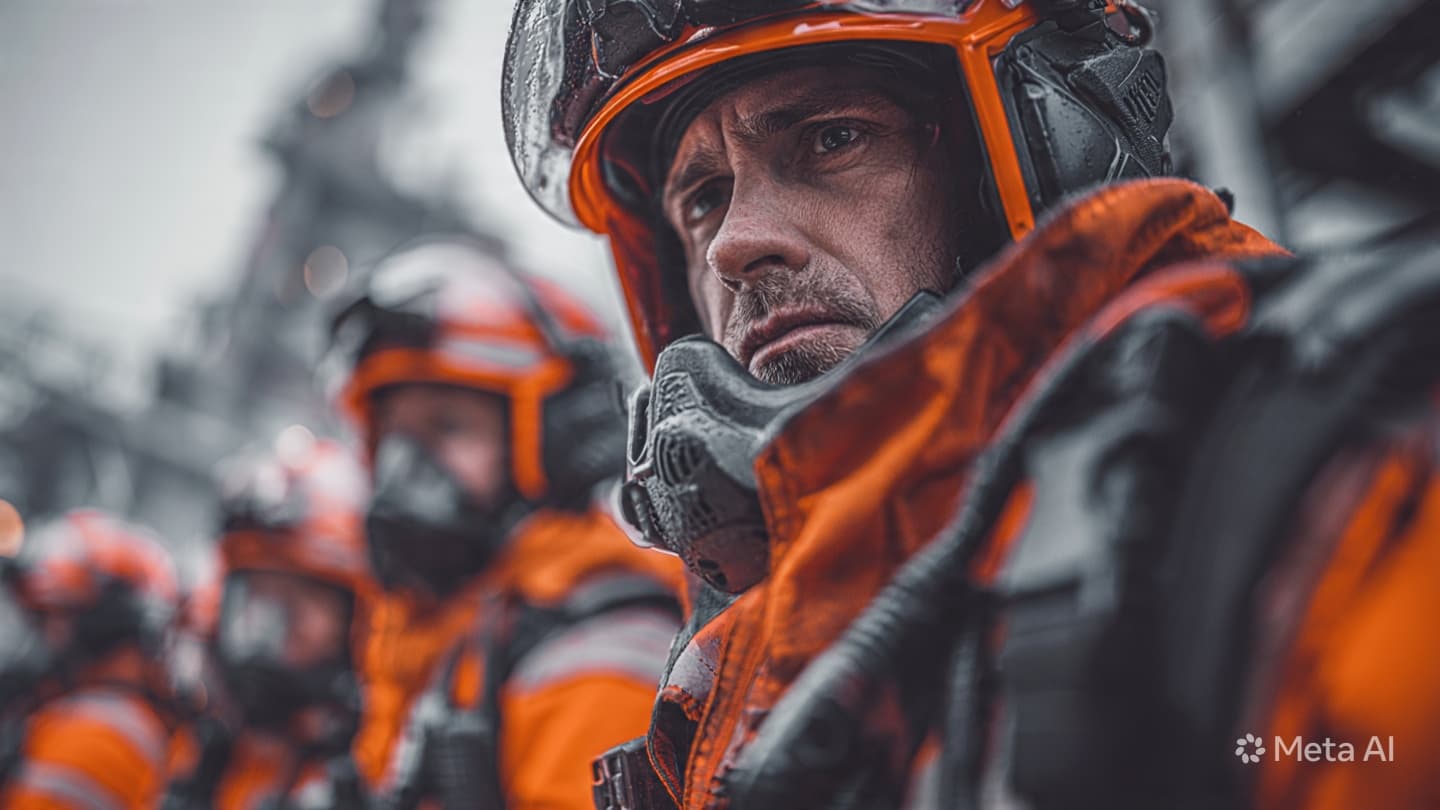
In the rugged, expansive landscapes of Virumaa, emergency response teams engage in meticulously planned training scenarios that test their cohesion and capability. These high-stakes simulations, ranging from industrial accidents to environmental emergencies, reveal the often unacknowledged infrastructure of resilience that underpins the region’s stability. The exercises are not merely about success; they focus on clarity of response under pressure, ensuring that every move is measured and every communication protocol is followed with precision.
The atmosphere during these drills is one of concentrated focus. Simulations are conducted in settings that mimic real-life challenges, creating a sense of realism essential for effective preparation. Observers witness the hidden administrative work of public safety, including the coordination between different agencies and the refinement of command structures. This iterative process aims to improve response times, emphasizing the importance of patience and preparation in the face of potential crises.
The collaborative nature of this training extends beyond mastering individual scenarios. It fosters inter-agency bonds crucial for effective response during actual emergencies. When police, fire brigades, medical services, and local authorities train together, they develop a shared language of response. This foundation of resilience enables them to coordinate across different organizational structures to tackle complex problems in real time, forming a vital layer of the region's protective fabric.
Public perception of these exercises is generally positive. Residents of Virumaa view the training as a reassurance, reflecting a society that prioritizes safety and readiness. The presence of emergency vehicles and coordinated drills is seen not as a cause for alarm but as a commitment to preparedness. This belief underscores the notion that preparation is the best defense against the uncertainties of the future.
As training concludes, the focus shifts to debriefing sessions where lessons are internalized, minor failures are analyzed, and strategies are refined. This cycle of training, execution, and reflection is the heartbeat of emergency services, ensuring that responses evolve and improve over time. The commitment to continuous learning is vital for maintaining readiness in an ever-changing landscape.
Ultimately, the training in Virumaa exemplifies proactive stewardship and the value of preparedness. It serves as a reminder that systems designed to safeguard communities must be constantly tested and honed. As responders continue their work, the region can rest a little easier, knowing that behind the stillness of the landscape lies a vigilant commitment to preserving life and maintaining order.
Published by Banx Network. This article is part of the Banx decentralized media programme, powered by the BXE token on the XRP Ledger.



