

Key Highlights
- World-First Surgery:Auckland City Hospital successfully performed a groundbreaking robotic heart surgery.
- Minimally Invasive Technique:The procedure significantly reduces recovery time and complications.
- Global Impact:The innovative techniques developed in Auckland are set to influence surgical practices worldwide.
Auckland City Hospital has made headlines with a remarkable achievement in the field of medicine: the successful completion of a world-first robotic heart surgery. This pioneering procedure, which utilizes a high-precision robotic system, marks a significant advancement in minimally invasive surgical techniques. By allowing surgeons to perform intricate heart repairs through small incisions, this innovation not only enhances patient safety but also dramatically reduces recovery times.
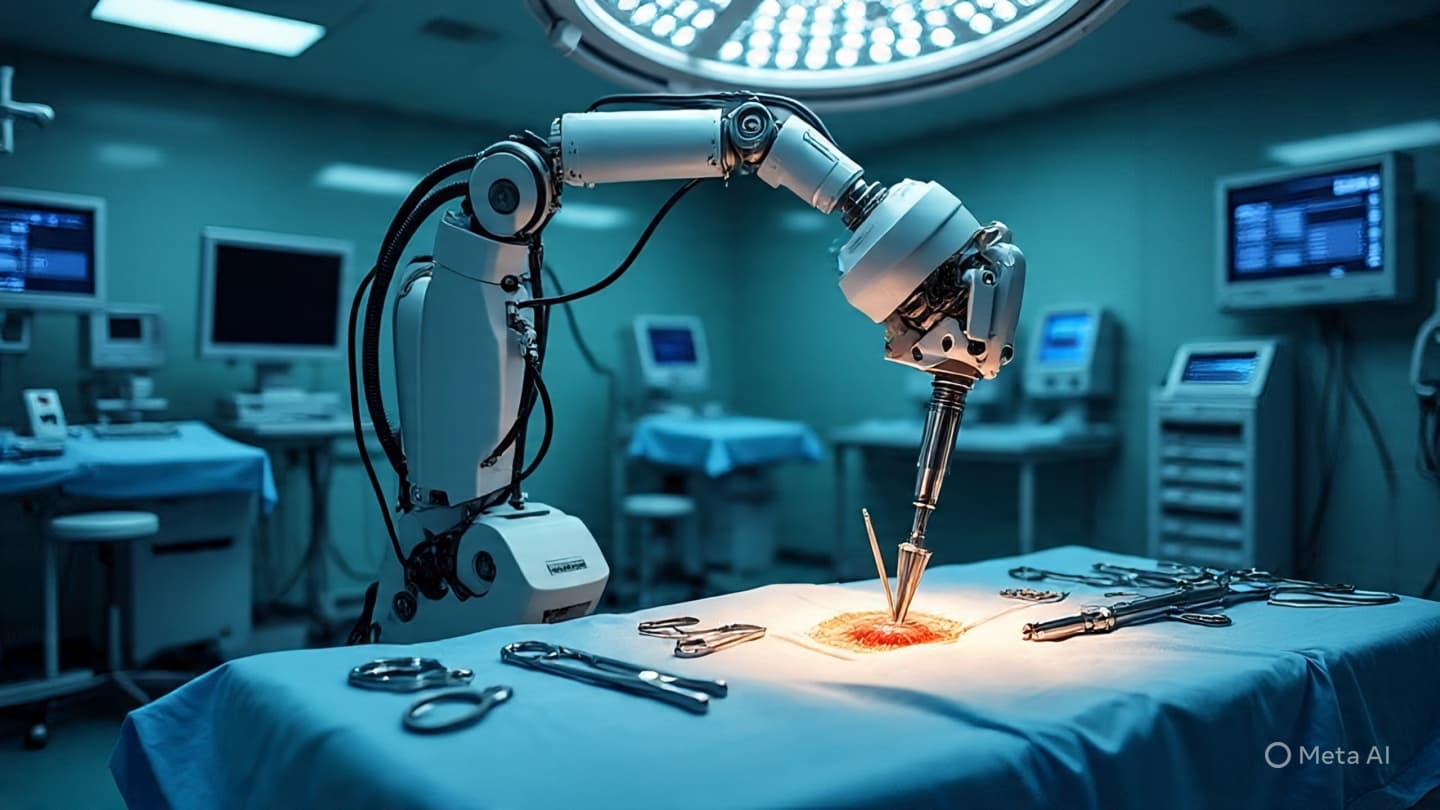
The surgery was conducted in a state-of-the-art operating theater, where a team of skilled medical professionals worked in unison with robotic technology. The surgeon, positioned at a console, controlled the robotic arms with precision, translating their movements into delicate gestures that navigated the complexities of the human heart. This method contrasts sharply with traditional open-heart surgery, which often requires extensive incisions and a prolonged recovery period.
The implications of this surgical breakthrough extend beyond the operating room. Patients who undergo this robotic procedure can expect a quicker return to their daily lives, with less pain and fewer complications. This advancement is particularly significant for individuals with heart conditions that previously necessitated more invasive surgical interventions. The success of this surgery not only highlights the capabilities of modern technology but also underscores the commitment of Auckland's medical community to improving patient outcomes.
The journey to this milestone involved years of research and development, as well as the courage of patients willing to participate in these innovative procedures. The collaboration between engineers, surgeons, and researchers has culminated in a technique that places New Zealand at the forefront of global medical innovation. As the world watches, the techniques refined in Auckland are poised to influence surgical practices in hospitals around the globe, offering hope to countless patients facing similar health challenges.
In the days following the surgery, the patient experienced a swift recovery, a testament to the effectiveness of the robotic approach. Medical professionals from various countries have expressed interest in the techniques developed in Auckland, eager to incorporate these advancements into their own practices. This shared knowledge represents a collective victory in the field of medicine, contributing to the ongoing evolution of surgical practices worldwide.
As the lights dimmed in the operating theater, the significance of the day lingered in the air. The successful robotic heart surgery not only repaired a vital organ but also symbolized a new era in medical technology—one where the fusion of human skill and robotic precision can lead to extraordinary outcomes. The future of surgery is bright, and Auckland stands as a beacon of hope and innovation in the medical community.
Published by Banx Network. This article is part of the Banx decentralized media programme, powered by the BXE token on the XRP Ledger.




