

Key Highlights
- Political Shift:Newly elected Nationals leader Matt Canavan advocates for increased birthrates in Australia.
- Declining Birthrate:Australia faces a gradual decline in birthrates, reflecting trends in developed nations.
- Personal Choices:Economic factors and personal aspirations heavily influence family planning decisions.
[Political Shift]
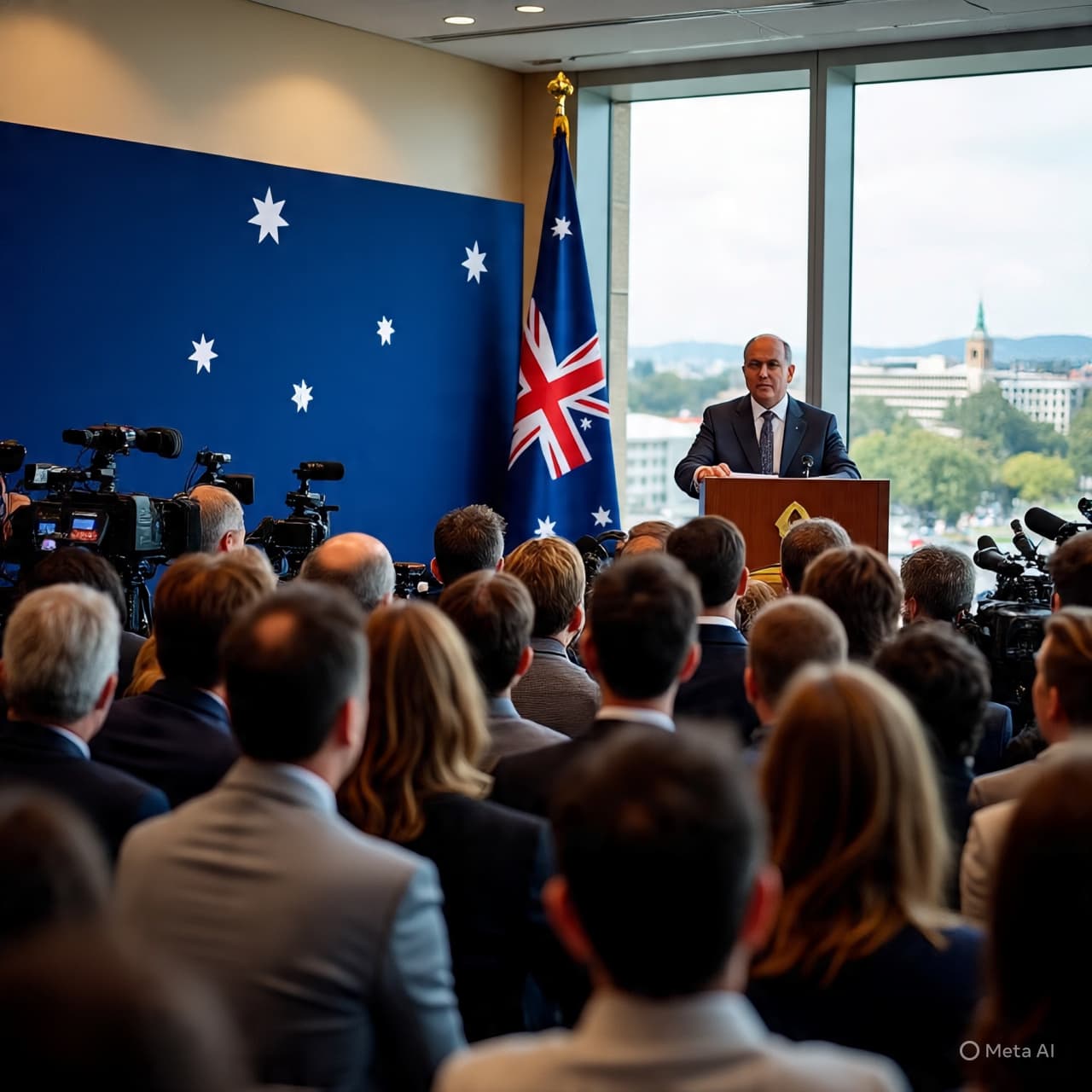
In Australia, the conversation surrounding birthrates has recently intensified, particularly following the election of Matt Canavan as the new leader of the Nationals party. Canavan's call for “more Australian babies” is part of a broader vision aimed at fostering a stronger national identity, which he describes as a “hyper Australia.” This statement not only marks a significant political transition but also highlights the growing concern over the nation’s declining birthrate.
Canavan's remarks come at a time when Australia, like many developed countries, is experiencing a notable decrease in birthrates. Demographers have observed that the average number of children born per woman has steadily declined, influenced by various factors including economic pressures, career aspirations, and changing societal norms. As the nation grapples with these demographic shifts, the implications for economic growth and social stability are becoming increasingly apparent.
[Declining Birthrate]
The decline in birthrates is not merely a statistical concern; it carries profound implications for the future of the Australian economy and its social fabric. Advocates for higher birthrates argue that a younger population is essential for sustaining economic growth and supporting an aging demographic. They often frame this issue within the context of national identity, suggesting that population growth should primarily stem from domestic births rather than immigration. This perspective resonates with some segments of the population, particularly those who view demographic trends as a reflection of cultural vitality.
However, the reality of personal choice complicates this narrative. For many Australian women, the decision to have children is influenced by a myriad of factors that extend beyond political rhetoric. Issues such as housing affordability, childcare costs, and workplace flexibility play a crucial role in shaping family planning decisions. As a result, the conversation about increasing birthrates often intersects with broader discussions about economic security and supportive family policies.
[Personal Choices]
The interplay between political ambition and personal choice is evident in the public's reaction to Canavan's statements. While some view his call for more births as a necessary response to demographic challenges, others perceive it as an oversimplification of deeply personal decisions. The debate surrounding birthrates is not confined to political arenas; it unfolds in everyday conversations among families, in workplaces, and within communities. This dynamic underscores the complexity of the issue, where personal aspirations and economic realities converge.
[Broader Implications]
Canavan's remarks also reflect a broader political shift within the conservative coalition in Australia. Following the resignation of David Littleproud, Canavan has emphasized themes of national production and traditional values, positioning the call for increased birthrates within a larger narrative of economic resilience and cultural continuity. This framing suggests that the issue of birthrates is not merely a demographic concern but a cornerstone of national identity and future prosperity.
As the discussion evolves, it remains to be seen how these political sentiments will translate into concrete policies. For now, Canavan's statements serve as a catalyst for a broader dialogue about the future of Australia's population and the factors that influence family planning decisions. Ultimately, while politicians can advocate for a vision of the future, the choices that shape that future are often made in the quiet of family life, far removed from the political spotlight.
Published by Banx Network. This article is part of the Banx decentralized media programme, powered by the BXE token on the XRP Ledger.




