

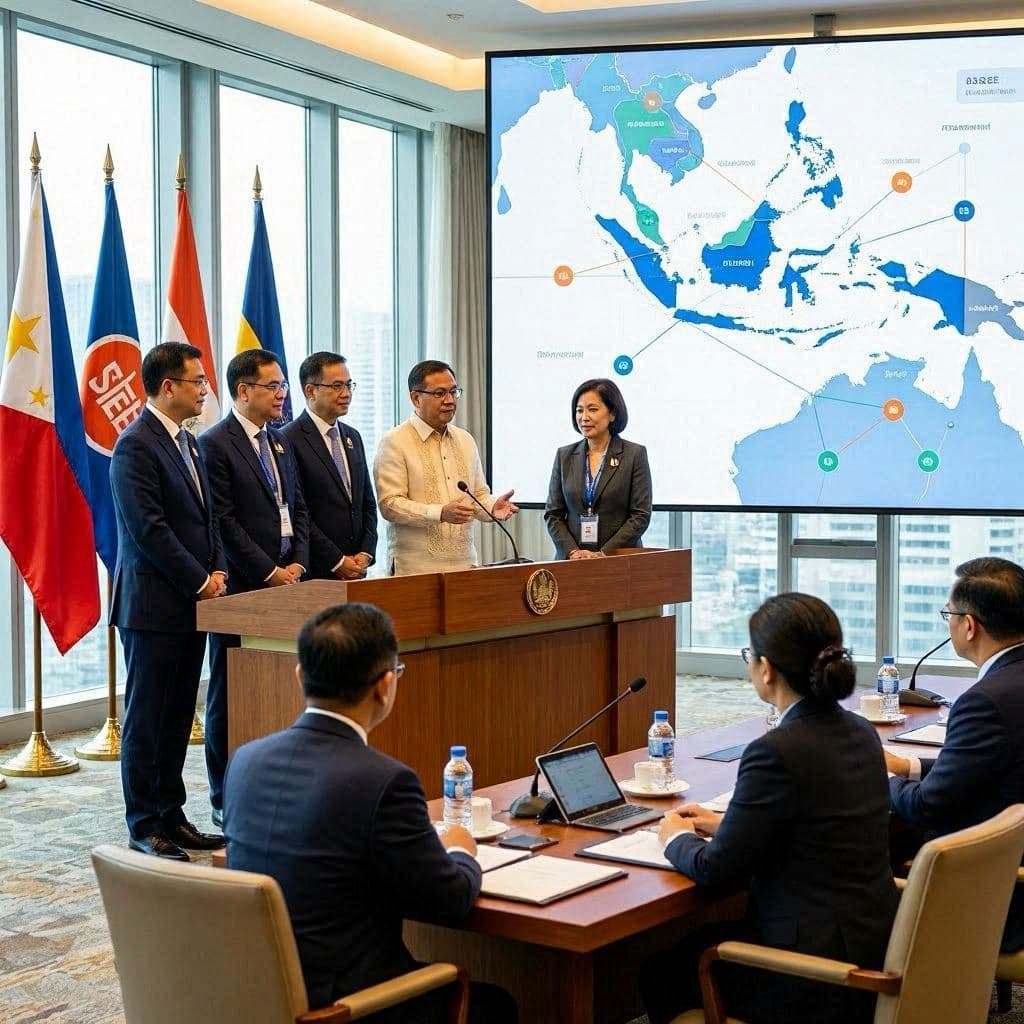
Key Highlights
- Upcoming ASEAN chairmanship:The Philippines is set to lead ASEAN, focusing on connectivity and resilience.
- Infrastructure development:Key to enhancing trade and investment across the region.
- Digital transformation:A priority for inclusive economic growth and innovation.
The Philippines is gearing up for its upcoming chairmanship of the Association of Southeast Asian Nations (ASEAN), with a strong emphasis on enhancing connectivity and resilience among member states. This strategic focus aims to foster economic growth and regional integration, positioning the Philippines as a proactive leader in addressing the challenges faced by Southeast Asia.
Philippine officials have identified the need for stronger physical, digital, and institutional connectivity as a cornerstone of their agenda. Improved connectivity is expected to facilitate trade, investment, and cross-border cooperation, which are vital for sustaining economic growth in the region. The government plans to invest in infrastructure development, including efficient transportation networks and modern logistics systems, to bolster ASEAN's competitiveness on the global stage.
In addition to connectivity, resilience has emerged as a critical policy objective for the Philippines. Southeast Asia is prone to various challenges, including natural disasters, climate change impacts, economic shocks, and public health emergencies. By prioritizing resilience, the Philippines aims to enhance the region's preparedness and response capabilities. Officials believe that deeper regional cooperation can lead to better resource sharing, expertise exchange, and information dissemination, ultimately helping member states tackle future crises more effectively.
Digital transformation is another key area of focus during the Philippines' leadership preparations. Expanding digital connectivity and promoting innovation are seen as essential drivers of inclusive economic growth. The government recognizes that a robust digital infrastructure can empower businesses and individuals, fostering a more equitable economic landscape across the region.
Regional analysts emphasize that ASEAN's ability to adapt to emerging challenges will largely depend on its capacity to strengthen institutional cooperation while maintaining unity among its diverse members. The Philippines' leadership is expected to play a pivotal role in fostering dialogue and collaboration among member states, ensuring that the region remains resilient in the face of adversity.
By emphasizing connectivity and resilience, the Philippines aims to contribute to a regional framework that supports both prosperity and stability in an increasingly interconnected world. As the nation prepares for its chairmanship, the focus on these critical areas reflects a commitment to enhancing the collective strength of ASEAN and addressing the pressing issues that affect the region.
Published by Banx Network. This article is part of the Banx decentralized media programme, powered by the BXE token on the XRP Ledger.




