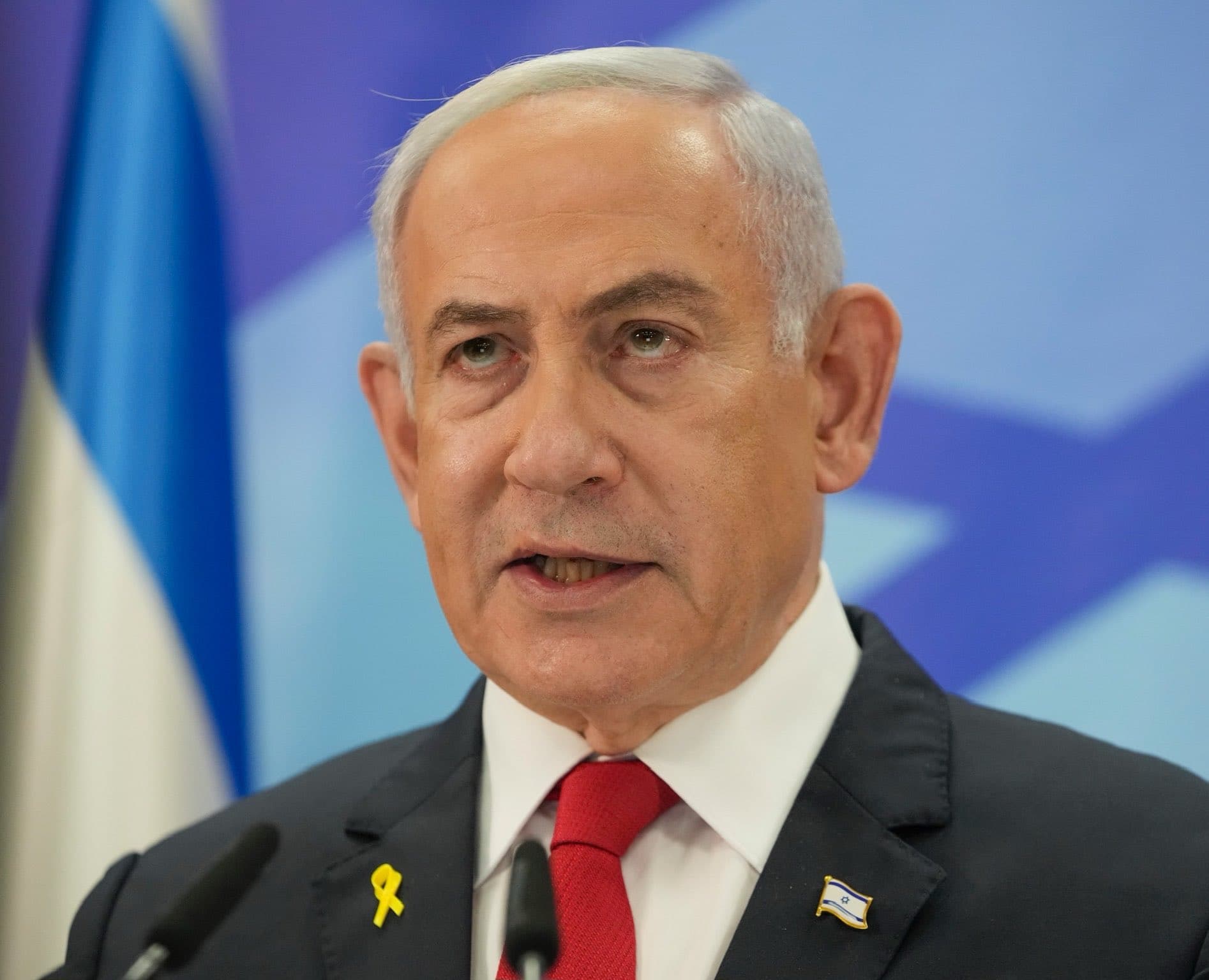
Israeli Prime Minister Benjamin Netanyahu has stated that Israel successfully prevented what he described as a serious Iranian threat, adding another chapter to the long-running rivalry between the two regional powers. The comments arrive amid ongoing diplomatic efforts, military preparedness initiatives, and heightened international attention focused on Middle Eastern security. Relations between Israel and Iran have been characterized by decades of strategic competition. The two nations frequently accuse one another of activities that threaten regional stability, and their rivalry extends across political, military, intelligence, and technological domains. Security concerns remain a central feature of policymaking throughout the region. Governments regularly assess risks associated with missile capabilities, proxy conflicts, cyber operations, and potential disruptions to international trade routes. These factors influence defense planning and diplomatic engagement. Statements regarding prevented attacks often serve multiple purposes. They may reassure domestic audiences, deter adversaries, demonstrate intelligence capabilities, and reinforce strategic messaging. However, independent verification of specific claims can sometimes prove challenging due to the classified nature of security operations. The broader geopolitical environment remains complex. Several regional actors maintain competing interests, while global powers continue pursuing diplomatic initiatives aimed at reducing tensions and preventing escalation. Economic considerations, including energy security and trade stability, further increase the importance of regional peace. Financial markets frequently respond to developments involving Israel and Iran because of their potential implications for energy supplies and international commerce. Investors monitor statements from political leaders alongside intelligence assessments and diplomatic signals. Military preparedness remains a priority for both nations. Advances in missile technology, air defense systems, cyber capabilities, and surveillance infrastructure have transformed the strategic landscape. As a result, security competition increasingly extends beyond conventional military operations. International organizations and allied governments generally encourage dialogue and restraint. Diplomatic engagement is widely viewed as essential for reducing the risk of miscalculation and preserving regional stability. Even during periods of tension, communication channels can play an important role in preventing escalation. The claims made by Netanyahu are likely to intensify debate regarding the effectiveness of intelligence operations and the broader security environment. Supporters may view such developments as evidence of strong defensive capabilities, while critics may question underlying assumptions and policy approaches. Long-term stability will depend on multiple factors, including diplomatic progress, regional cooperation, economic development, and effective crisis management. While individual incidents attract significant attention, broader structural issues continue to shape relations between Israel and Iran. As policymakers navigate these challenges, the international community remains focused on avoiding conflict and supporting conditions that encourage dialogue. The stakes extend far beyond the region itself, affecting global markets, security planning, and diplomatic priorities.
Published by Banx Network. This article is part of the Banx decentralized media programme, powered by the BXE token on the XRP Ledger.