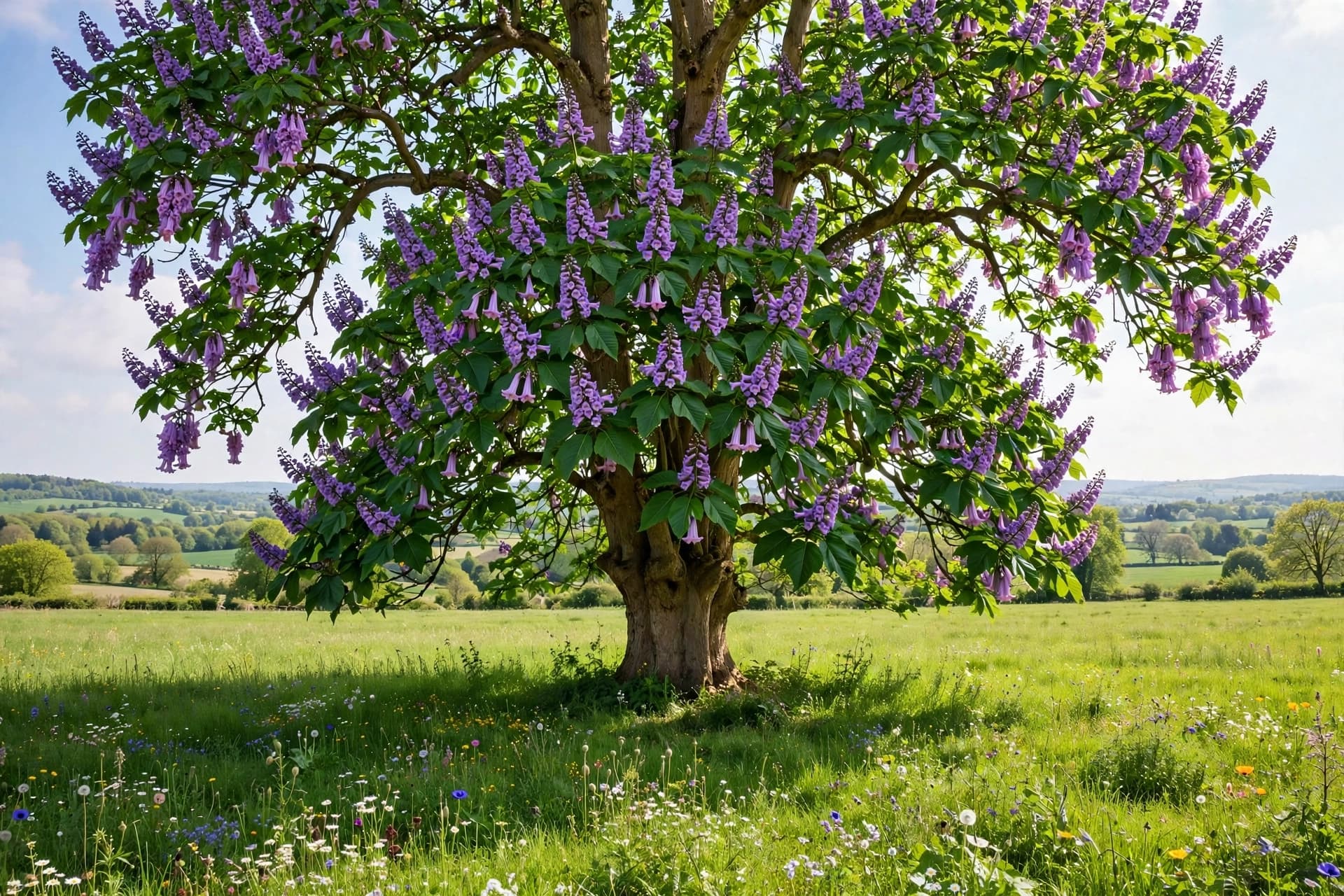
In the quiet, leafy corners of our forests, a silent revolution is taking place. While much of the world looks to high-tech solutions for climate change, nature may have already provided a powerful tool in the form of the Paulownia tree, often called the Empress Tree. Recent studies and observations have highlighted its extraordinary ability to absorb carbon dioxide, with some estimates suggesting it can capture up to ten times more CO2 than many other common tree species. This discovery has sparked both excitement and caution among scientists and environmentalists alike.
The Paulownia tree is known for its rapid growth, capable of reaching heights of up to 15 feet in its first year. This speed is driven by its large leaves, which are highly efficient at photosynthesis. By converting sunlight into energy at an accelerated rate, the tree pulls significant amounts of carbon from the atmosphere and stores it in its biomass. For a planet struggling with rising greenhouse gas levels, such a natural carbon sink offers a promising avenue for mitigation.
However, the claim that it absorbs "10 times more" requires context. While individual trees can indeed sequester carbon at a much higher rate than slower-growing species like oaks or pines, the total impact depends on planting density, soil conditions, and management practices. Some studies indicate that a hectare of Paulownia can capture over 100 tons of CO2 annually, far surpassing traditional forestry yields. This efficiency makes it an attractive option for reforestation projects aimed at rapid carbon removal.
Despite its benefits, the Paulownia tree is not without controversy. In many regions, including parts of North America and Europe, it is considered an invasive species. Its aggressive growth can outcompete native plants, disrupting local ecosystems and reducing biodiversity. Scientists urge careful management, suggesting that it be planted in controlled environments or degraded lands where it can provide ecological benefits without harming existing habitats.
The wood of the Paulownia is also highly valued for its light weight and strength, often compared to aluminum. This makes it useful for various industries, from furniture to musical instruments. By harvesting the wood sustainably, the carbon stored in the tree can be locked away in long-lasting products, further enhancing its climate benefits. This dual purpose—carbon capture and economic value—adds to its appeal as a sustainable resource.
For communities looking to offset their carbon footprint, the Paulownia offers a tangible solution. Agroforestry systems that integrate these trees with crops can improve soil health, prevent erosion, and provide shade. Farmers in Asia have used Paulownia for centuries, recognizing its ability to thrive in poor soils and reclaim degraded land. Now, this ancient knowledge is being revisited through the lens of modern climate science.
As research continues, scientists are working to refine our understanding of the Paulownia’s true potential. Field trials in different climates are helping to determine the best practices for cultivation and harvest. The goal is to maximize carbon sequestration while minimizing ecological risks. It is a delicate balance, but one that holds great promise for a greener future.
In the end, the Paulownia tree reminds us that nature often holds the keys to solving our most pressing challenges. By respecting its power and managing it wisely, we can harness its potential to heal the planet. It is not a magic bullet, but it is a powerful ally in the fight against climate change. As we look to the forests, we find hope in the rapid rise of the Empress Tree.
AI Image Disclaimer: The visual representations included here are AI-generated illustrations designed to depict the Paulownia tree and forest landscapes, not actual photographs of specific scientific study sites or individual trees measured in recent research.
Sources: Frontiers in Environmental Science Futura Sciences Carbon Herald
Published by Banx Network. This article is part of the Banx decentralized media programme, powered by the BXE token on the XRP Ledger.