History is rarely a single narrative; it is often a chorus of conflicting memories, where grief and grievance intertwine. In Belgrade, the capital of Serbia, this complexity was on full display as thousands gathered to bid farewell to Ratko Mladić, the former Bosnian Serb military commander known internationally as the "Butcher of Bosnia." For the international community, he was a convicted war criminal responsible for some of the darkest atrocities of the 1990s. For many in attendance, however, he was a defender and a hero. This divergence in perception highlights the enduring wounds of the Yugoslav wars and the difficult path toward reconciliation in a region still grappling with its past.
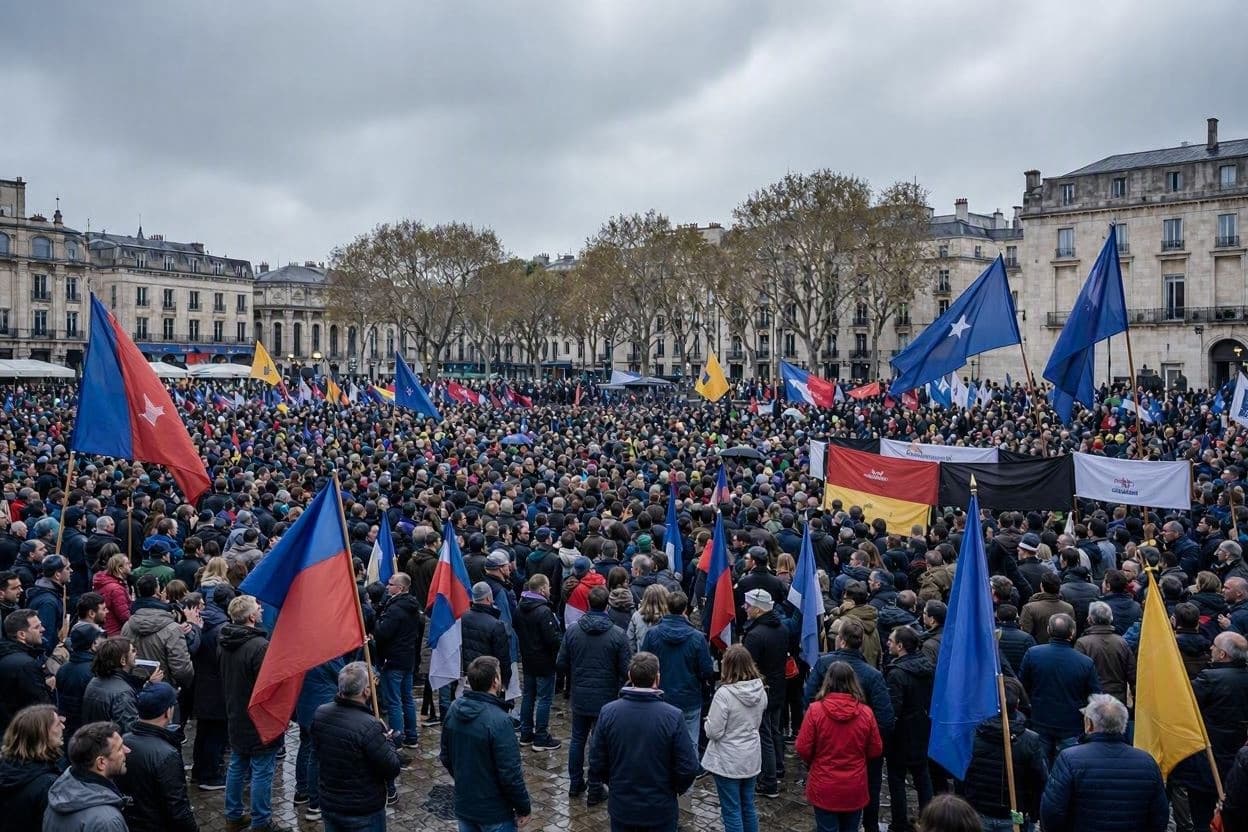
The funeral drew a significant crowd, including political figures, religious leaders, and ordinary citizens who viewed Mladić’s actions through the lens of national survival during a brutal conflict. The atmosphere was charged with a mix of solemnity and defiance, as attendees waved flags and chanted slogans that celebrated his military leadership. To them, the verdict of the International Criminal Tribunal for the former Yugoslavia (ICTY) was not a measure of justice, but a political imposition that failed to understand the context of the war. This perspective underscores the deep-seated nationalism that continues to influence public opinion in parts of the Balkans.
For the victims of the Srebrenica genocide and the siege of Sarajevo, the spectacle in Belgrade was a source of profound pain. The glorification of a man convicted of genocide feels like a denial of their suffering and a rejection of established historical facts. Survivors and human rights organizations have expressed outrage, noting that such ceremonies retraumatize communities that are still healing. The event serves as a stark reminder that legal convictions do not automatically translate into social acceptance or moral reckoning.
The presence of high-profile Serbian politicians at the funeral has drawn criticism from the European Union and neighboring countries. It raises questions about Serbia’s commitment to European values and its role in fostering regional stability. While the government has officially maintained a stance of cooperation with international courts, the public honoring of Mladić suggests a more ambiguous position. This disconnect between diplomatic rhetoric and domestic sentiment complicates efforts to build trust and cooperation in the Western Balkans.
Historians argue that events like this hinder the process of truth-telling, which is essential for lasting peace. When societies refuse to confront the full extent of their involvement in past crimes, they risk perpetuating cycles of resentment and division. The funeral becomes not just a private mourning but a public statement that challenges the shared understanding of history. It reinforces narratives of victimhood and heroism that can fuel future tensions.
Yet, it is important to acknowledge that not all Serbs support this view. Many citizens, activists, and intellectuals have spoken out against the glorification of war criminals, advocating for a future based on accountability and empathy. Their voices, though sometimes drowned out by nationalist fervor, represent a crucial counter-narrative. They strive to build a society that acknowledges the pain inflicted on all sides, recognizing that true strength lies in honesty rather than denial.
The international response has been one of concern, with calls for restraint and respect for the rule of law. Diplomats emphasize the importance of moving beyond the conflicts of the 1990s and focusing on economic integration and democratic development. However, as long as figures like Mladić are celebrated, the shadow of the past will remain long. The challenge for the region is to find a way to honor legitimate grievances without endorsing atrocities.
As the crowd dispersed, the debate continued, echoing through the streets of Belgrade and across the borders of the Balkans. The funeral was a moment of closure for some, but for many others, it was a reopening of old wounds. It serves as a testament to the complexity of memory and the ongoing struggle to define justice in a post-conflict society.
The funeral of Ratko Mladić in Belgrade highlights the persistent divisions in the Balkans regarding the legacy of the 1990s wars. It underscores the need for continued dialogue and honest reckoning with history. Let us hope for a future where reconciliation outweighs revisionism.
AI Image Disclaimer: Please note that any visual representations in this article are AI-generated illustrations created for conceptual clarity.
Sources: BBC News Reuters Al Jazeera
Published by Banx Network. This article is part of the Banx decentralized media programme, powered by the BXE token on the XRP Ledger.