Melbourne is often celebrated for its livability and cultural vibrancy, yet beneath its polished surface lies a complex web of urban planning regulations. While the city boasts some of the least restrictive zoning laws in Australia, a paradox persists: many suburbs remain effectively "locked down," resistant to change and development. This dichotomy invites reflection on the nature of progress and preservation, questioning how a city can be both open to growth and fiercely protective of its existing character. It is a tension between the desire for density and the comfort of familiarity.
Body: The term "least restrictive" refers to the broader framework that allows for mixed-use developments and higher density in certain areas. However, in practice, local councils and community groups often wield significant influence over specific projects. Through heritage overlays, neighborhood character statements, and rigorous approval processes, many suburbs maintain a status quo that limits new construction. This phenomenon is not unique to Melbourne but is particularly pronounced here, where suburban identity is deeply valued.
For developers and housing advocates, this "lockdown" presents a significant barrier to addressing the city’s growing housing crisis. They argue that without increased density, affordability will continue to decline, pushing younger generations and lower-income families to the fringes. The restriction of supply in well-serviced suburbs exacerbates inequality, creating pockets of exclusivity that are difficult to penetrate. It is a structural issue that requires nuanced policy solutions.
On the other hand, residents often view these restrictions as essential protections. They fear that unchecked development will erode the green spaces, architectural heritage, and community feel that define their neighborhoods. For many, the home is not just an asset but a sanctuary, and changes to the surrounding environment can feel like an invasion. This emotional attachment to place is a powerful force in urban planning debates.
The role of local government is pivotal in navigating this conflict. Councils must balance state-level mandates for growth with local desires for preservation. Often, this leads to prolonged negotiations and compromises that satisfy neither side completely. The result is a patchwork of development, where some areas transform rapidly while others remain virtually unchanged for decades.
Expert analysts suggest that the solution lies in better communication and inclusive planning processes. Engaging communities early in the design phase can help alleviate fears and find common ground. Additionally, incentivizing sustainable and aesthetically pleasing developments may make change more palatable to residents. It is about shifting the narrative from loss to improvement.
As Melbourne continues to grow, the pressure on its suburbs will only increase. The city must find a way to accommodate new residents without sacrificing the qualities that make it desirable. This requires a willingness to rethink traditional notions of suburban life and embrace a more flexible approach to urban design.
Closing: In the end, the "locked down" suburbs of Melbourne represent a broader challenge for modern cities. They highlight the difficulty of balancing growth with preservation, and individual rights with collective needs. As the city evolves, the conversation must continue, seeking a path that honors the past while building a sustainable future for all.
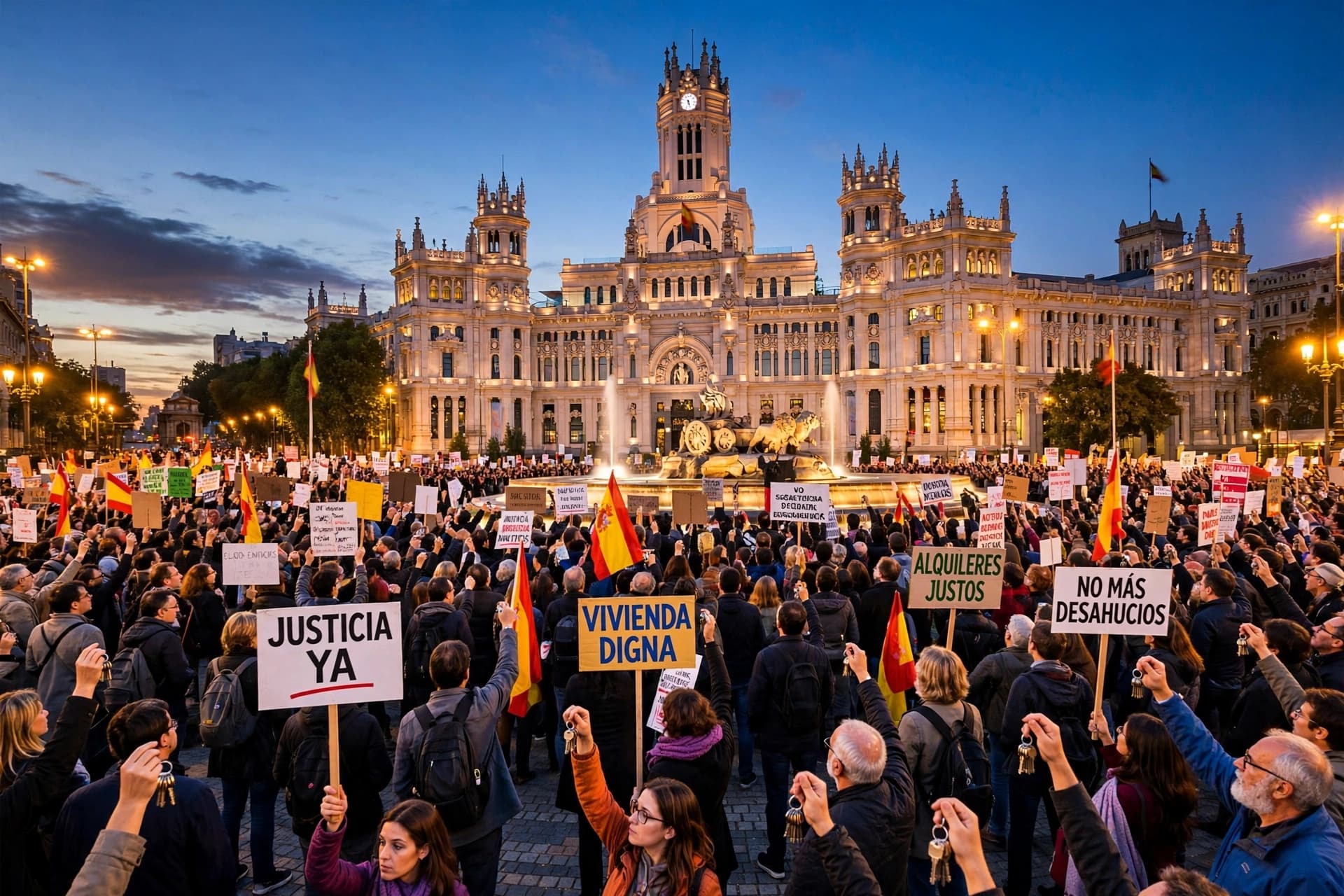
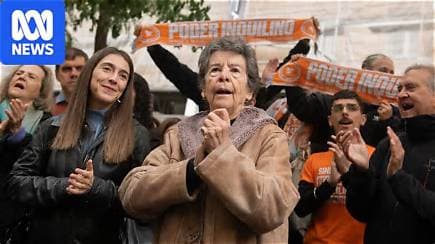
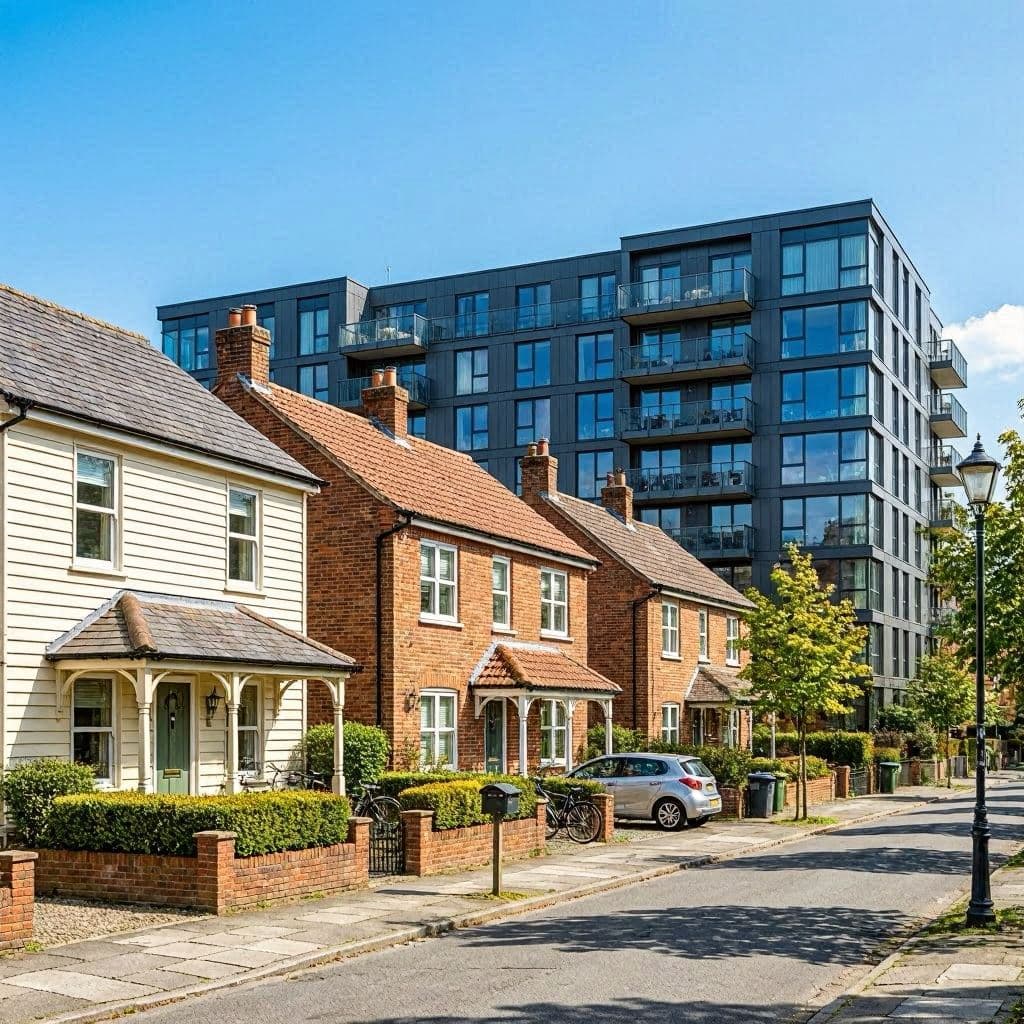
AI Image Disclaimer: The visual representations associated with this article are AI-generated artistic interpretations designed to illustrate the themes of urban planning and community.
Sources: The Age Domain Group Urban Taskforce
Published by Banx Network. This article is part of the Banx decentralized media programme, powered by the BXE token on the XRP Ledger.