

Key Highlights
- El Niño conditions confirmed by NOAA in the Pacific Ocean.
- The phenomenon influences global weather patterns for months.
- Agricultural sectors are closely monitoring forecasts.
The world's oceans often communicate in subtle ways. A slight increase in sea-surface temperature may appear insignificant at first glance, yet such changes can influence weather systems across continents. This week, scientists are paying close attention to the Pacific Ocean after new observations confirmed the emergence of a developing El Niño pattern.
The U.S. National Oceanic and Atmospheric Administration (NOAA) has officially confirmed that El Niño conditions are beginning to form in the tropical Pacific. The announcement follows months of monitoring ocean temperatures, atmospheric circulation, and other key climate indicators. El Niño is a naturally occurring climate phenomenon characterized by warmer-than-average sea-surface temperatures in parts of the central and eastern Pacific Ocean. It forms periodically and can influence global weather patterns for many months.
Scientists emphasize that El Niño does not affect every region in the same way. Some areas may experience increased rainfall and flooding, while others could see drier conditions, prolonged heat, or shifts in seasonal weather behavior. Across North America, meteorologists are evaluating how the developing event may influence weather during the coming seasons. Forecast models suggest that regional impacts could vary depending on local atmospheric conditions.
Agricultural sectors are among the groups closely watching the forecasts. Crop planning, irrigation management, and harvest expectations often depend heavily on seasonal climate conditions. Farmers and agricultural experts are particularly concerned about how the El Niño phenomenon could affect crop yields and water availability in the months ahead.
Researchers note that forecasting capabilities have improved significantly in recent decades. Satellite systems, ocean-monitoring buoys, and advanced climate models provide more detailed insights into developing patterns than ever before. These advancements allow scientists to predict potential impacts with greater accuracy, which is crucial for industries reliant on weather conditions.
The confirmation of El Niño has also renewed interest among climate scientists studying long-term interactions between ocean temperatures and atmospheric processes. Each event contributes valuable data for future research, enhancing our understanding of climate dynamics. As monitoring continues, NOAA and other scientific organizations will issue regular updates. For now, the focus remains on understanding how this developing climate pattern may shape weather conditions in the months ahead.
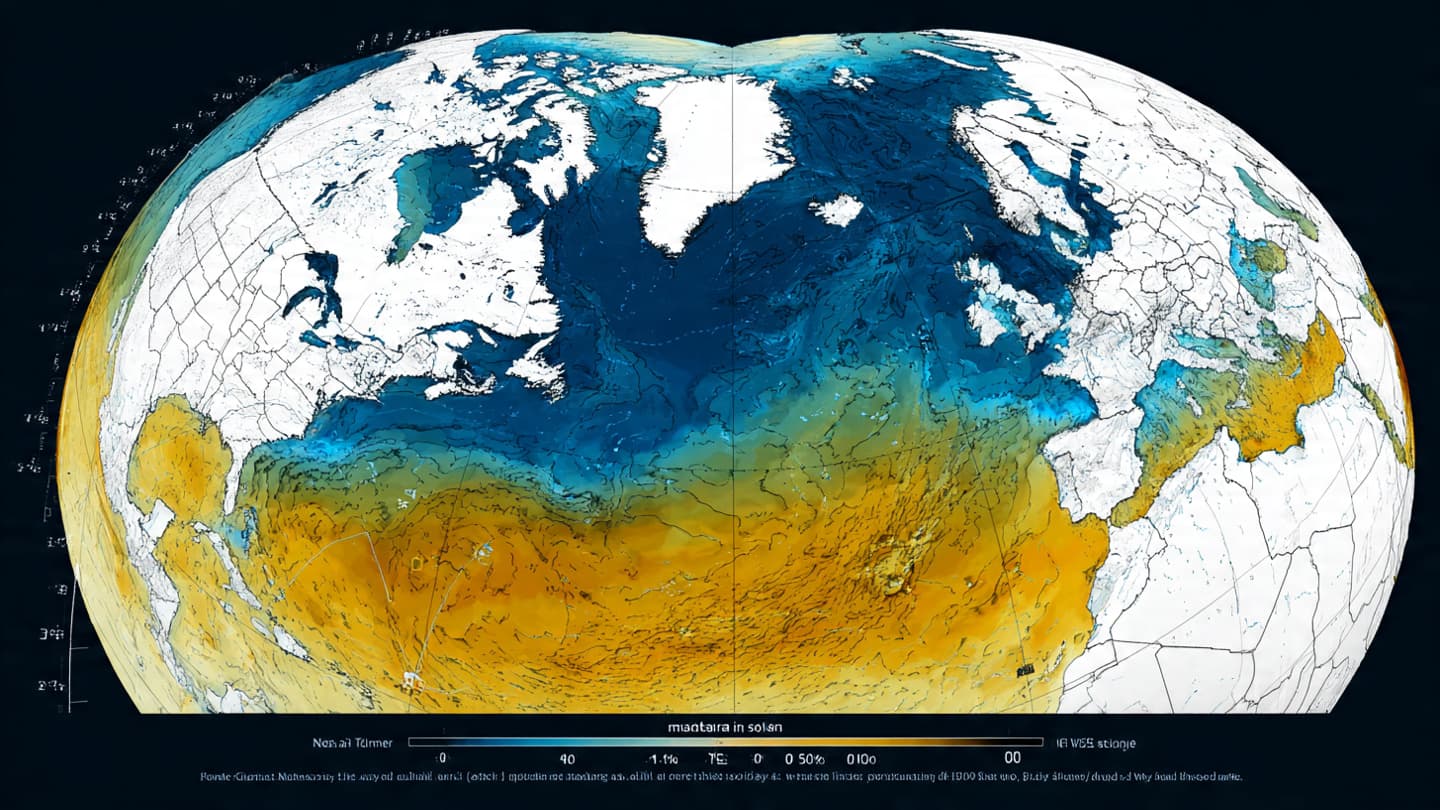
AI Image Disclaimer: The visual materials accompanying this article are AI-generated illustrations created for editorial purposes and are not actual scientific imagery.
Published by Banx Network. This article is part of the Banx decentralized media programme, powered by the BXE token on the XRP Ledger.




