

Key Highlights
- El Niño Warning: Scientists predict a significant El Niño event may develop this year.
- Global Impact:The phenomenon could affect weather systems, agriculture, and disaster preparedness worldwide.
- Climate Change Concerns:Ongoing climate change may intensify the effects of El Niño.
The climate rarely speaks in a single voice. Sometimes it whispers through changing ocean temperatures; at other moments, it arrives with drought, floods, and storms. Scientists are now listening carefully to signals emerging from the Pacific Ocean, where conditions suggest the possible return of a strong El Niño event.
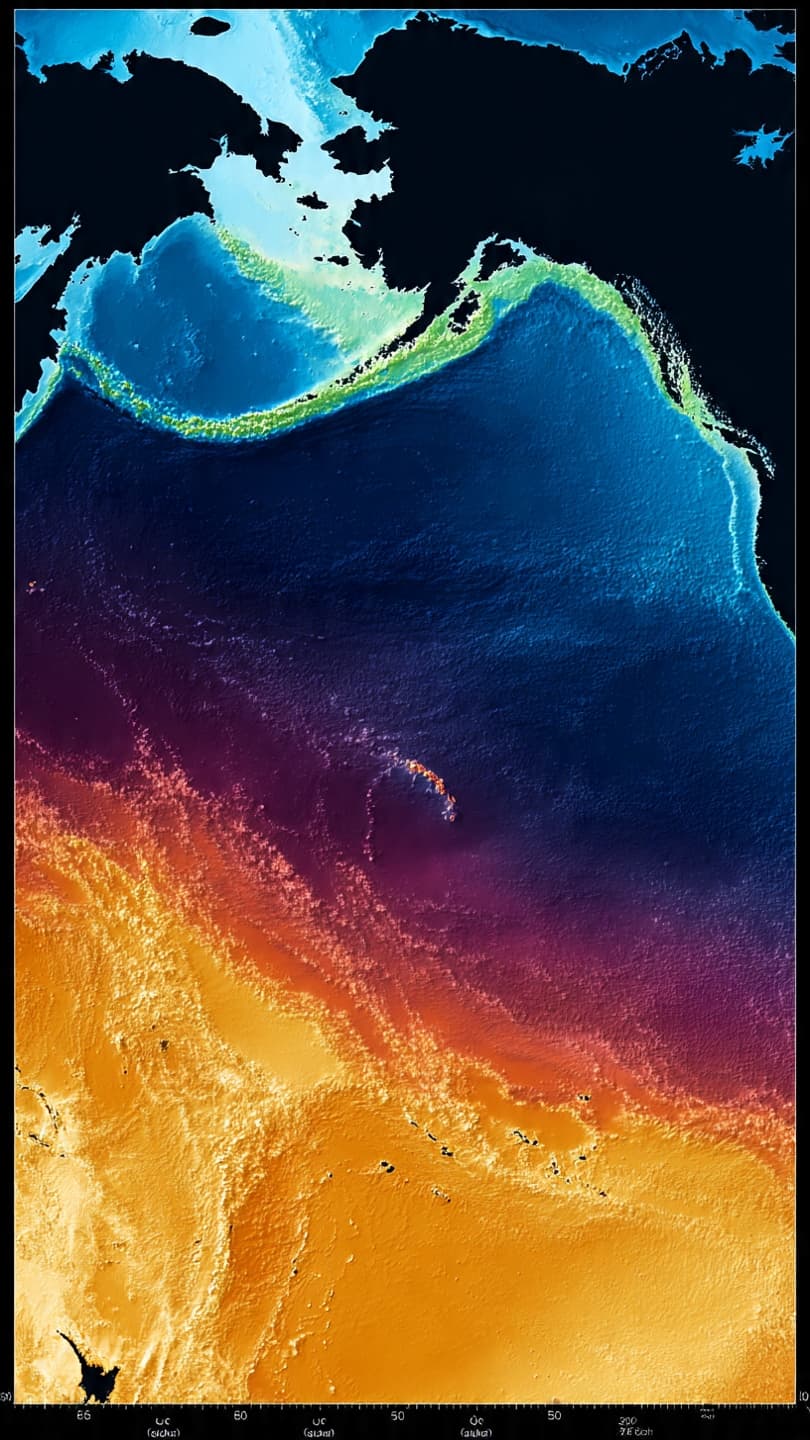
Climate researchers and meteorological agencies have warned that a significant El Niño pattern may develop this year. Such an event could influence weather systems across multiple continents, affecting agriculture, water resources, and disaster preparedness efforts. El Niño occurs when sea surface temperatures in the central and eastern Pacific Ocean become unusually warm. This phenomenon can alter atmospheric circulation patterns, leading to varied impacts around the world.
In some regions, El Niño is associated with prolonged drought and elevated wildfire risks. Elsewhere, it can contribute to heavier rainfall, flooding, and severe storms. The precise effects often differ according to geography and local climate conditions. For instance, countries in the southern hemisphere may experience wetter conditions, while regions in the northern hemisphere could face droughts.
Scientists caution that ongoing climate change may intensify some consequences linked to El Niño. Rising global temperatures can amplify heatwaves and increase stress on ecosystems already facing environmental pressures. This is particularly concerning for agricultural sectors, which are among those most closely monitoring forecasts. Changes in rainfall patterns can affect crop yields, food supply chains, and commodity prices, particularly in vulnerable regions.
Governments and international organizations have begun reviewing contingency measures in anticipation of the potential impacts of El Niño. Early warning systems, water management planning, and disaster preparedness initiatives are considered essential components of risk reduction. These proactive measures are crucial for minimizing disruptions and ensuring communities are equipped to handle the challenges posed by changing weather patterns.
Meteorological agencies stress that forecasts continue to evolve as oceanic conditions develop. Continuous monitoring over the coming months will provide clearer assessments regarding the intensity and duration of the phenomenon. While uncertainty remains regarding the exact scale of impacts, experts agree that preparation and coordinated response efforts offer the best path toward reducing potential disruptions.
In summary, the Pacific Ocean is sending signals that warrant attention. As scientists and policymakers prepare for the possibility of a strong El Niño event, the focus remains on understanding its implications and ensuring that communities are ready to adapt to the changing climate.
Published by Banx Network. This article is part of the Banx decentralized media programme, powered by the BXE token on the XRP Ledger.




