Key Highlights
- Prague's Vltava Green Towers open in May 2026, marking a new era in office design.
- Demand for biophilic office spaces has surged by 25% in the city.
- The development aligns with Prague's climate goals, reducing energy consumption by 40%.
Prague is witnessing a transformative shift in office design with the completion of the Vltava Green Towers in May 2026. This innovative project represents a departure from traditional office environments, characterized by grey cubicles and sterile air, towards a more integrated approach that harmonizes workspaces with nature. The towers embody a philosophy where the workday merges seamlessly with the natural world, promoting both productivity and well-being.
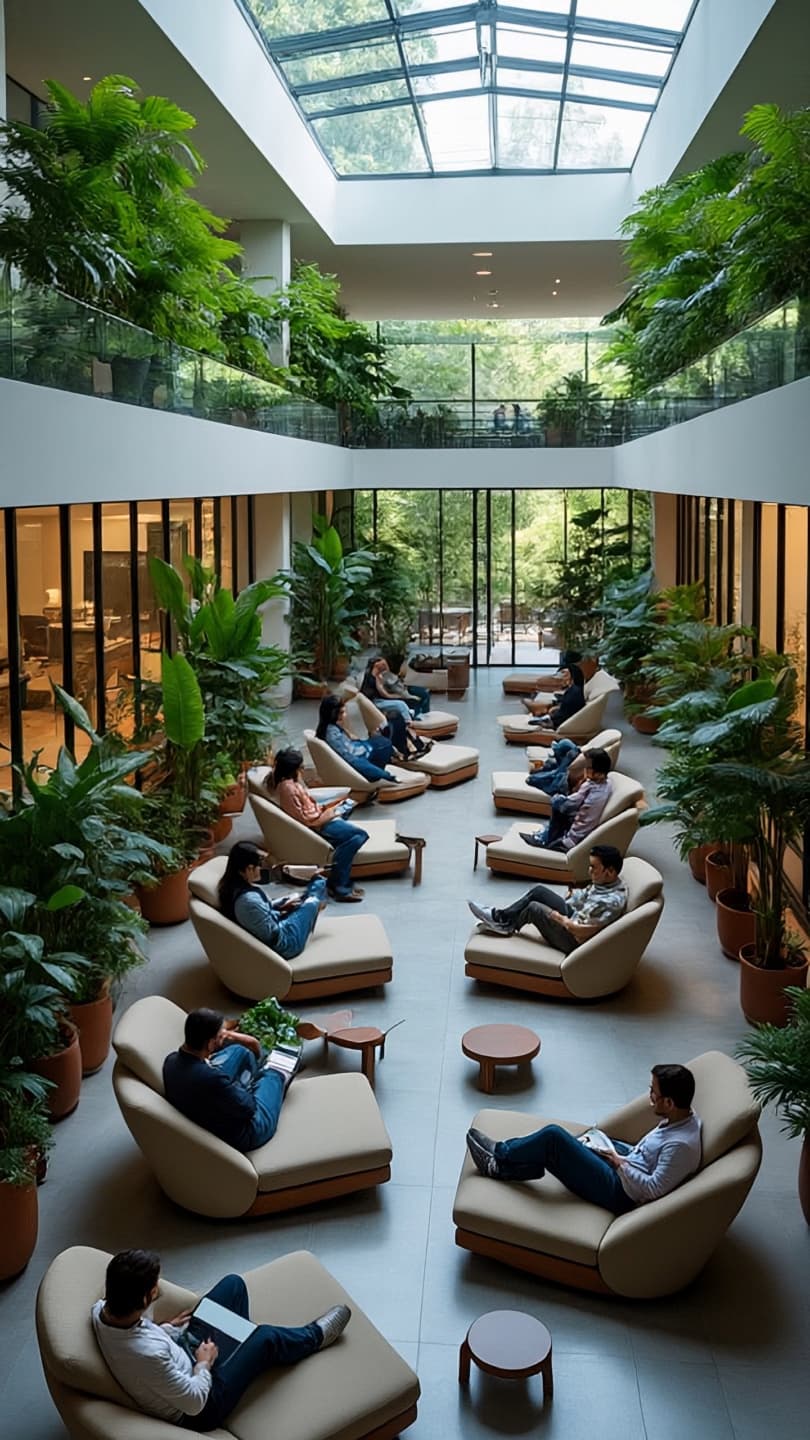
The atmosphere within the Vltava Green Towers is invigorating, featuring sky-gardens filled with thousands of indoor plants and soothing water features. This design not only enhances the aesthetic appeal but also improves air quality, creating a refreshing environment that fosters focus and creativity. The integration of biophilic elements signifies a commitment to employee health, as the buildings are designed to filter air biologically, mimicking the natural processes found in forests.
The Prague office market is increasingly embracing the concept of biophilic integration, where developers prioritize health and mental clarity over mere square footage. The Vltava Green Towers feature terraces that serve as community parks, allowing employees to conduct meetings outdoors while enjoying panoramic views of the city. This architectural approach reflects a growing recognition that the well-being of employees is a company's most valuable asset.
As the nature of work evolves, the new office ecosystem emphasizes collaboration over isolation. The 2026 developments are designed to facilitate interaction, recognizing that human connection is essential in an age dominated by artificial intelligence. These buildings are also aligned with the Circular City initiative, incorporating sustainable practices such as grey-water recycling and solar-harvesting glass, which contribute to a more sustainable urban environment.
In the meeting rooms of various tech companies and startups, discussions now revolve around well-being metrics and carbon-negative footprints. The goal is to attract digital nomads back to physical workspaces by offering superior environments that prioritize comfort and sustainability. Prague is emerging as a leader in 'Well-Certified' real estate, showcasing a commitment to creating spaces that nurture both the body and mind.
The impact of this design shift is evident in employee behavior, with many choosing to stay in their workspaces longer to enjoy the natural light and greenery. The office is evolving into a sanctuary rather than a mere place of obligation. As sunlight filters through the leaves of indoor trees, the Vertical Garden within the Vltava Green Towers serves as a powerful reminder of the connection between work and the natural world.
The Prague real estate market has experienced a notable 25% increase in demand for Class A office spaces that prioritize biophilic design and sustainability certifications. The Vltava Green Towers project, with its impressive 40,000 square meters of workspace and over 20,000 indoor plants, exemplifies this trend. City planners highlight that such developments are crucial to achieving the Prague 2030 climate goals, utilizing advanced geothermal heating and smart-lighting systems to reduce energy consumption by 40% compared to conventional buildings. This trend is revitalizing the Holešovice district, attracting international tech firms eager to enhance employee retention through high-quality workspaces.
Published by Banx Network. This article is part of the Banx decentralized media programme, powered by the BXE token on the XRP Ledger.