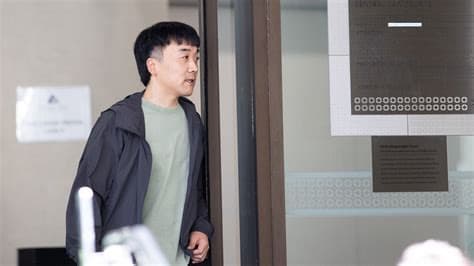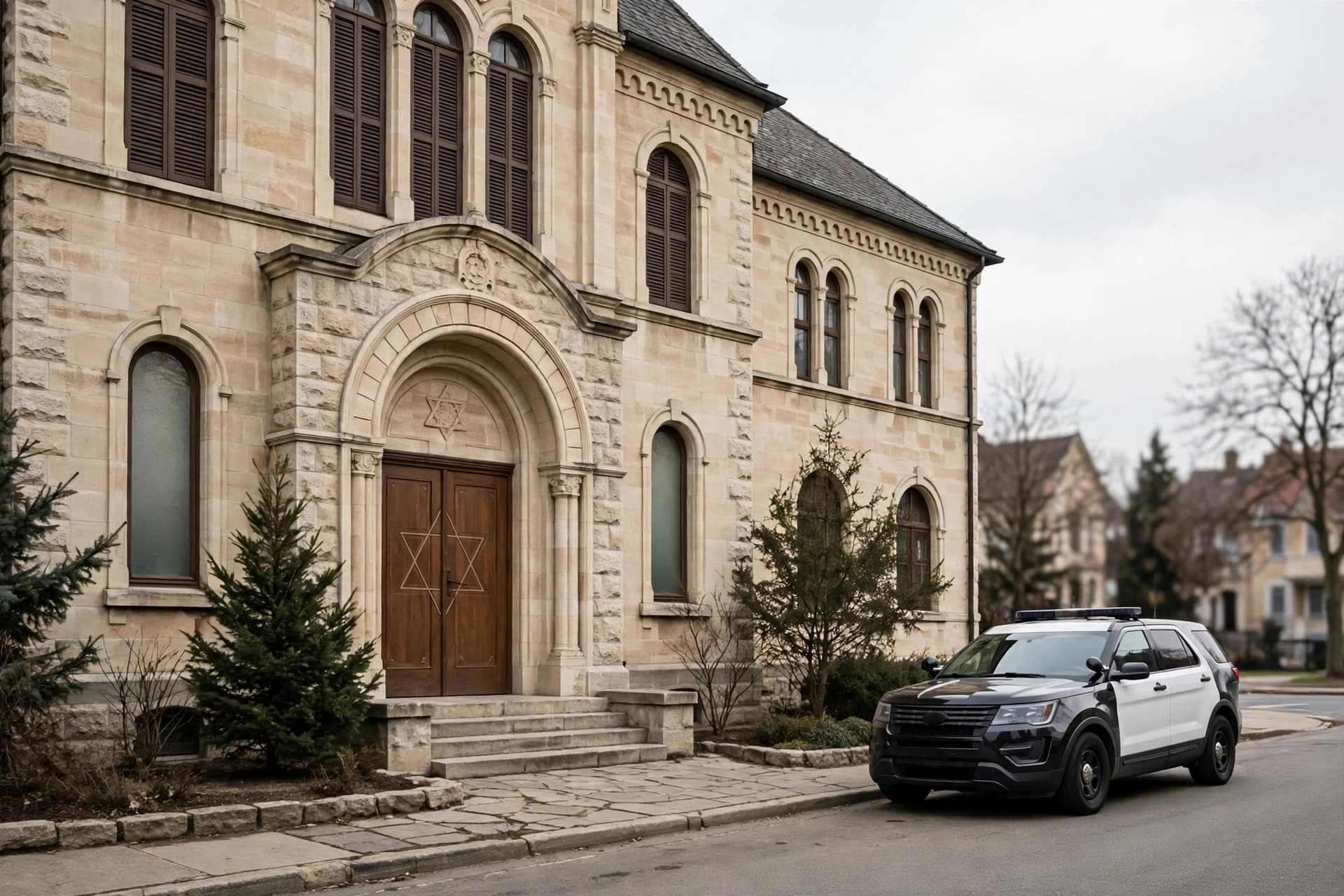
There are moments when a single decision, made in the space of a few seconds, determines the shape of everything that follows. On September 20, Constable Jeff Smith of the Belleville Police Service was stationed outside the Sons of Jacob Synagogue on Yom Kippur, the holiest day in the Jewish calendar. A gunman named Sean Ward, a former Canadian Armed Forces soldier, arrived with multiple firearms, significant ammunition, and what police later described as the motive to carry out an extended attack on the synagogue . Smith was shot several times, including in the head. He continued to engage the attacker until a second officer arrived .
More than a month later, Belleville police announced that Smith had been released from hospital and was recovering at home. "Smith continues to make positive progress in his recovery," the service said in a Thursday morning news release . The statement was brief, as institutional statements often are, but it carried the weight of something that could have ended differently. Ward died in the hospital the day after the shootout .
The chief of the Belleville Police Service, Murray Rodd, later offered an assessment of what Ward had intended. Ward "had the means, the mechanism and the motive to perpetrate a greater act," Rodd said. "The only thing that stopped entry into the synagogue to execute the intent were the two officers" . The second officer, Constable Michael McCurdy, arrived three minutes after Smith was ambushed. Those three minutes, and Smith's refusal to stop fighting despite his wounds, are the difference between a story of tragedy and a story of survival.
Smith's wife, Ashley, offered her own account of the days that followed. In a Facebook post, she thanked the "life-saving" and "steady, capable" hands of first responders and hospital staff, including what she called "an angel neurosurgeon" . The phrase is personal, not clinical, and it speaks to the particular intimacy of a family watching someone they love fight to stay alive. The synagogue has hailed Smith as a hero. The community, according to police, showed overwhelming support to Smith and his family during his hospitalization .
What makes this story resonate beyond Belleville is the context in which it unfolded. The attack on the Sons of Jacob Synagogue was not an isolated act of violence but an attempted hate crime, an assault on a community gathered for its most sacred observance. The officers who stood outside the synagogue that day were there because the congregation had requested police protection . They were a barrier between a gunman and the people he intended to harm, and they held.
Smith's recovery is not complete. He is at home, making progress, but the injuries he sustained—multiple gunshot wounds to the head and body—will require time and care that extends beyond hospital walls. The police service has asked the community to continue respecting the family's privacy. The gratitude, both from the Smith family and from the synagogue, has been expressed. What remains is the slow work of healing, and the quiet knowledge that a door was kept closed.
Image note: The images in this article were created using artificial intelligence and do not depict the actual individuals or the synagogue described.
Sources: CBC News, The Canadian Press, CP24
Published by Banx Network. This article is part of the Banx decentralized media programme, powered by the BXE token on the XRP Ledger.