There is a particular weight that attaches to a recusal—the quiet acknowledgment, made in a single sentence, that a justice's participation would raise questions the Court cannot afford to answer. On Monday, that sentence arrived from the Supreme Court's clerk, and it carried with it a reversal that few expected.
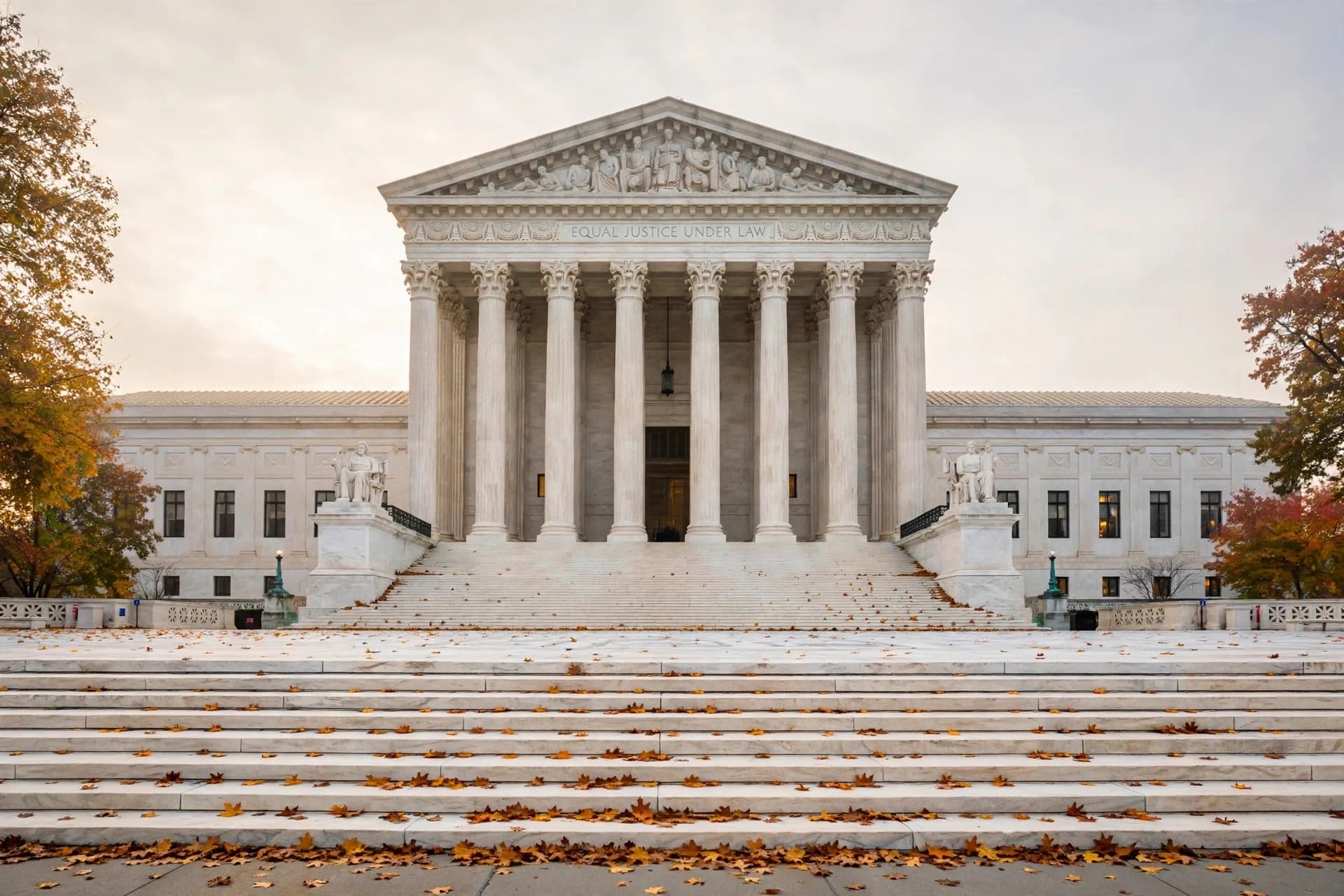
Justice Samuel Alito will no longer participate in Suncor Energy v. County Commissioners of Boulder County, a major climate case the Court is set to hear next week. The decision was disclosed in a letter to attorneys that offered no explanation: "Justice Alito has determined that he will not continue to participate in this case" .
The recusal represents an about-face. Earlier this year, Alito had pushed back on calls to step aside, and a Court spokesperson told NBC News that the justice "does not have a financial interest in any party" involved. His financial disclosures show he holds stock in oil companies including ConocoPhillips and Phillips 66—but not in Suncor or Exxon Mobil, the parties before the Court. The argument for recusal rested on the indirect benefit Alito could receive if the Court ruled broadly in the industry's favor, potentially affecting similar climate lawsuits nationwide .
The case itself is significant. Boulder County and the City of Boulder, Colorado, are seeking damages from Exxon Mobil and Suncor Energy for the costs of climate change—floods, droughts, wildfires, and other extreme weather events. The companies argue that climate change is a global issue governed by federal law, not state tort law, and that the lawsuits pose a threat to the entire industry. The Supreme Court is not being asked to decide whether fossil fuel companies caused climate change, but whether federal law preempts the state-law claims .
With Alito stepping aside, eight justices will hear the case, raising the possibility of a 4-4 split that would leave the lower court's ruling in place—a development that could tip the outcome away from the oil and gas industry's preferred result. The Court has a 6-3 conservative majority, but preemption cases do not always divide along traditional ideological lines .
The recusal follows months of pressure from advocacy groups. Consumer Watchdog and the Center for Climate Integrity argued that Alito's holdings in other oil companies created at least the appearance of a conflict, especially given disclosures from ConocoPhillips and Phillips 66 warning shareholders about the risks of climate litigation. "Justice Alito's recusal from Suncor v. Boulder is the right decision, and one he should have made from the start," said Alexandra Nagy of Consumer Watchdog .
The Court will hear oral arguments on October 5. Whether Alito's absence changes the outcome remains uncertain. What is clear is that his recusal has removed one source of controversy from a case that was already freighted with them—and left the remaining eight justices to decide a question that will shape the future of climate litigation for years to come.
AI Image Disclaimer: All visuals accompanying this article are AI-generated and do not depict the actual individuals or proceedings.
Sources: NBC News, AP News, CNN, Courthouse News Service, The Daily Beast, Newsweek
Published by Banx Network. This article is part of the Banx decentralized media programme, powered by the BXE token on the XRP Ledger.