In cities that hug the ocean’s curve, where salt air brushes balconies and sunrise paints the horizon, you might expect the lure of waterfront living to be unbroken. Yet in Miami — a historic oceanfront city long synonymous with vibrant property markets and rolling demand — a new and unsettling trend has quietly emerged: home sellers are giving up. Rather than lowering prices to meet buyers halfway, thousands of owners are pulling their listings entirely off the market, a visible sign of frustration in a housing landscape marked by slow demand and high expectations.
In October, for every 100 new homes listed for sale in Miami, roughly 45 were withdrawn before finding a buyer, one of the highest “delisting” rates in the nation. That means nearly half of the homes that hit the market were later taken down rather than discounted or sold. This surge comes as part of a broader national trend, with sellers across the U.S. retreating from the market in response to languishing buyer interest, elevated borrowing costs, and widespread economic uncertainty.
Typically, sellers adjust their prices when offers lag, smoothing the path to a sale. But many homeowners today — especially those who purchased during the peak market years of recent memory — find themselves reluctant to lower their asking price, holding out hope that conditions will improve rather than settling for a deal below their expectations. Realtor.com’s data shows delistings have climbed sharply year-over-year, signaling a growing mismatch between seller aspirations and buyer appetite.
Miami’s experience highlights this schism vividly. As tourism and international interest continue to animate parts of the South Florida economy, its housing market now reflects a deeper uncertainty. Combined with rising inventory and homes sitting on the market longer, many sellers feel stuck between retaining equity and facing slower sales — or pulling the listing and simply waiting it out. In some cases, owners find it financially preferable to rent out their homes or relist later rather than negotiate lower prices now.
What makes this trend especially striking is its contrast with Miami’s reputation as a place of demand and dynamic change. Once a leading symbol of U.S. coastal desirability, it is now one of the places where the strain between aspiration and reality is most visible. Sellers seem to feel there is “nowhere safe” to lower the price tag and still maintain their investment’s appeal — a sentiment that echoes in other Sun Belt and high-cost markets, but nowhere as intensely as here.
Nationwide, delisting is reshaping how people think about selling homes. As median listing prices plateau and mortgage rates remain elevated compared with pandemic lows, both buyers and sellers are cautious. While buyers have gained negotiating leverage in many areas, sellers aren’t always willing — or able — to respond with price reductions. For now, that stalemate translates into more homes temporarily removed from the market, waiting for a moment when confidence returns.
In cities along the coast, where sun-washed streets once reverberated with competitive bidding and quick sales, the quiet pullback of listings tells a different story — one of homes lingering, owners pausing, and a market that’s recalibrating itself beneath the surface of an unmistakable tide.
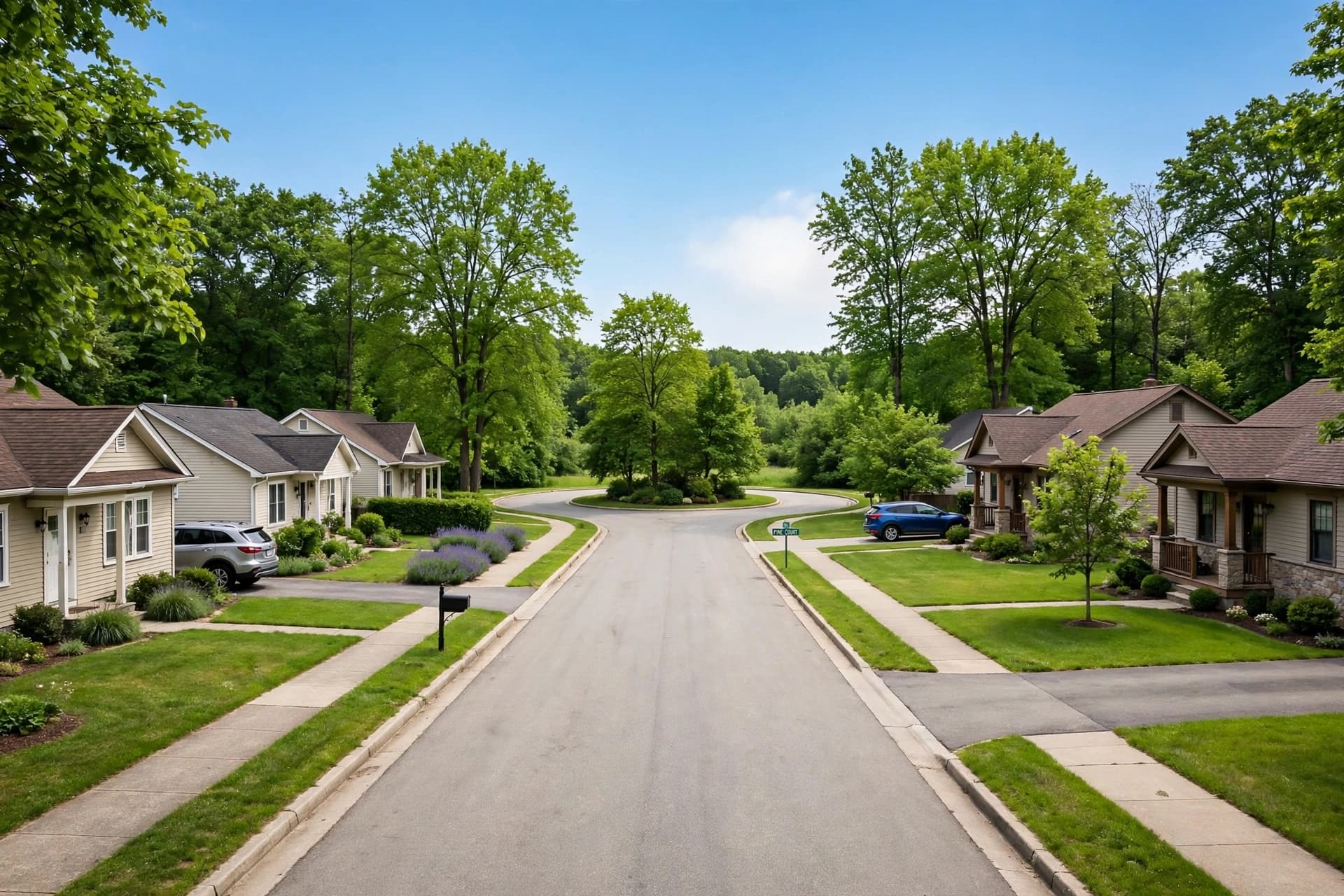
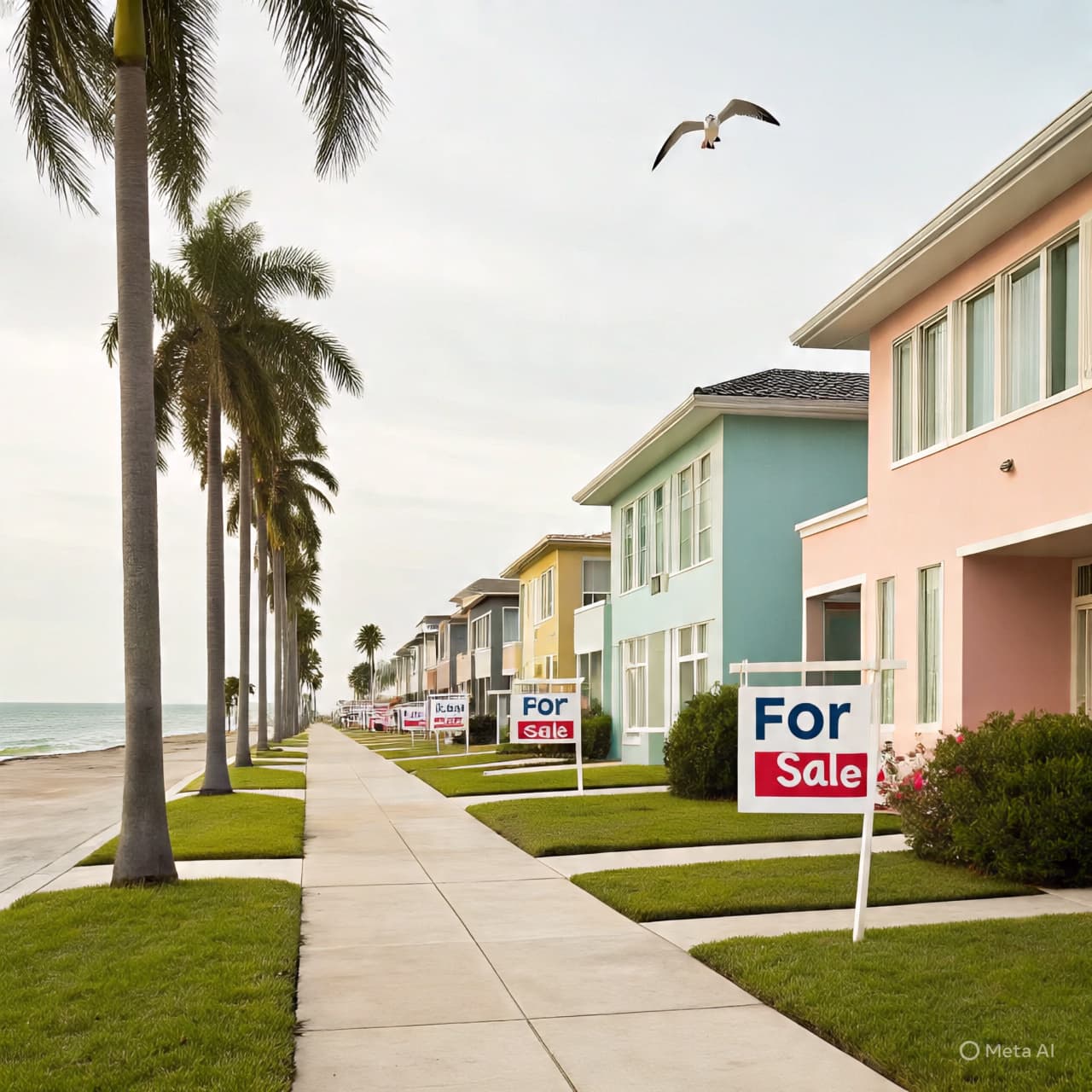
AI Image Disclaimer Visuals are created with AI tools and are not real photographs.
SOURCE CHECK Reuters (analysis of broader housing market trends) — contextual Miami New Times — reports Miami’s historic delisting rates. Realtor.com housing market data — shows delistings surging nationally. Redfin housing reports — nationwide delisting statistics. Business Insider — delisting home figures and seller behavior.
Published by Banx Network. This article is part of the Banx decentralized media programme, powered by the BXE token on the XRP Ledger.