

Key Highlights
- Australia expands maritime security cooperation with Pacific nations.
- New initiatives include joint patrols and enhanced training programs.
- Regional stability and economic resilience are key objectives.
Australia's commitment to maritime security in the Pacific has taken a significant step forward with the announcement of new initiatives aimed at strengthening cooperation with neighboring countries. The Pacific Ocean, a vast expanse that connects numerous islands and cultures, has long served as a vital pathway for trade and communication. However, as maritime security concerns grow, nations are increasingly recognizing the need for collaborative efforts to ensure safe and secure seas.
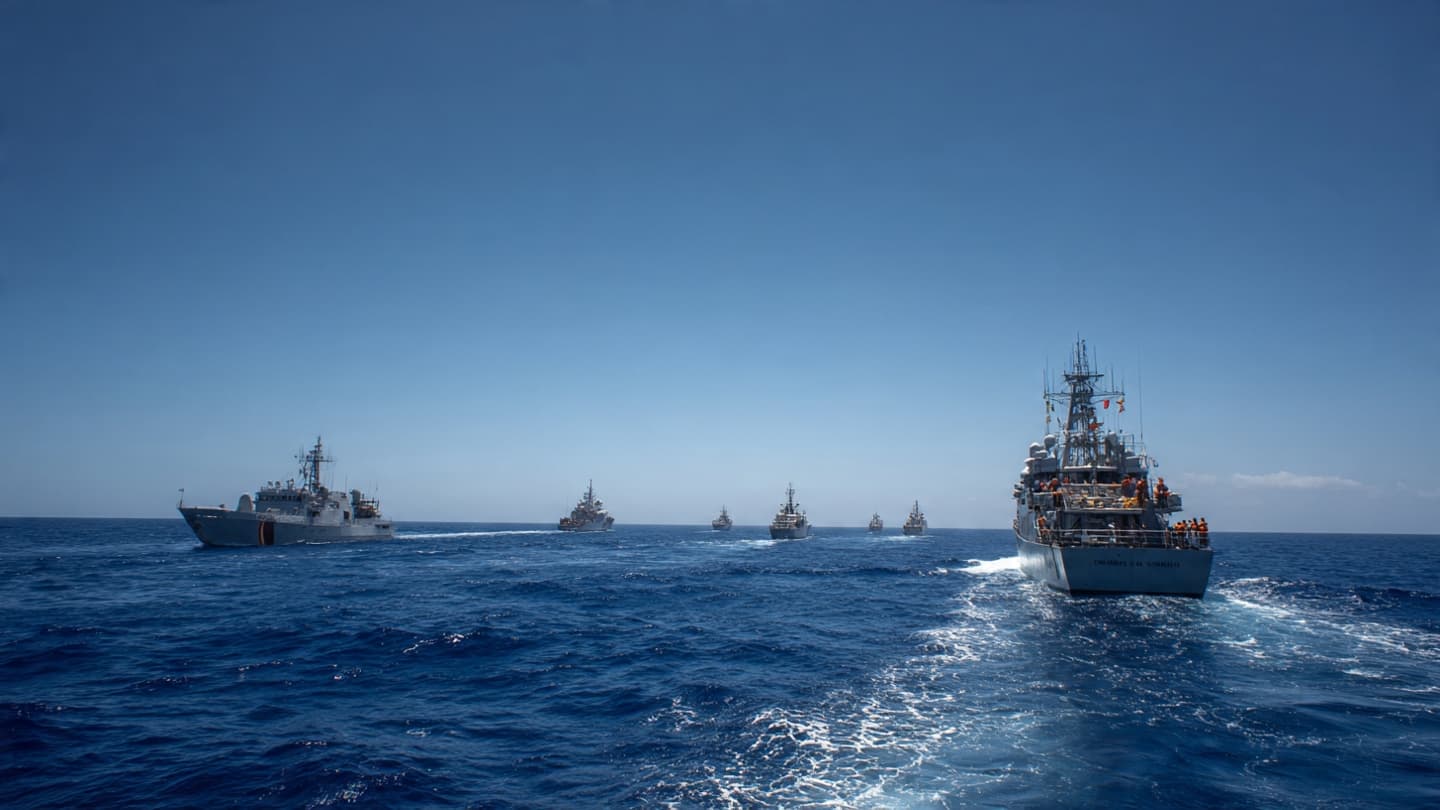
The Australian government has unveiled a series of initiatives designed to bolster maritime security cooperation with Pacific partners. These initiatives encompass joint maritime patrols, enhanced information sharing, and training programs for local security personnel. Additionally, Australia aims to provide greater support for maritime surveillance capabilities, which are essential for improving regional awareness and enabling partners to respond effectively to challenges at sea.
Officials from the Australian government have emphasized that this cooperation is focused on maintaining regional stability rather than merely reacting to specific incidents. The Pacific region faces a multitude of maritime challenges, including illegal fishing, transnational crime, and the need for effective disaster response. Protecting critical shipping routes that support local economies is also a priority, as these routes are essential for the livelihoods of many island communities.
Several Pacific governments have welcomed Australia's renewed engagement, highlighting the importance of regional cooperation in addressing shared challenges. Smaller island nations often have vast exclusive economic zones that require advanced monitoring capabilities. As such, partnerships with larger nations like Australia are invaluable for protecting marine resources and ensuring effective maritime law enforcement.
In addition to security concerns, Australia's defense and foreign affairs officials have stressed the importance of respecting international law and maintaining open lines of communication among regional partners. Collaborative exercises and training programs are expected to enhance operational readiness and foster trust between participating nations. This approach reflects a broader understanding of maritime cooperation that extends beyond traditional defense matters.
Security analysts note that modern partnerships in the Pacific increasingly encompass disaster preparedness, humanitarian assistance, environmental monitoring, and search-and-rescue operations. These evolving responsibilities underscore the interconnected nature of the Pacific region and its growing strategic significance in global affairs.
Economic considerations also play a crucial role in these initiatives. Safe maritime routes are vital for tourism, fisheries, international trade, and the transportation of essential goods between island communities. By investing in regional cooperation, participating countries aim to enhance long-term economic resilience while mitigating security risks.
Australia's latest initiatives signify a continued commitment to working alongside Pacific neighbors through dialogue, practical cooperation, and shared responsibility. As maritime challenges continue to evolve, regional partnerships are expected to remain a cornerstone for stability across the Pacific, fostering a collaborative environment that benefits all nations involved.
Published by Banx Network. This article is part of the Banx decentralized media programme, powered by the BXE token on the XRP Ledger.




