
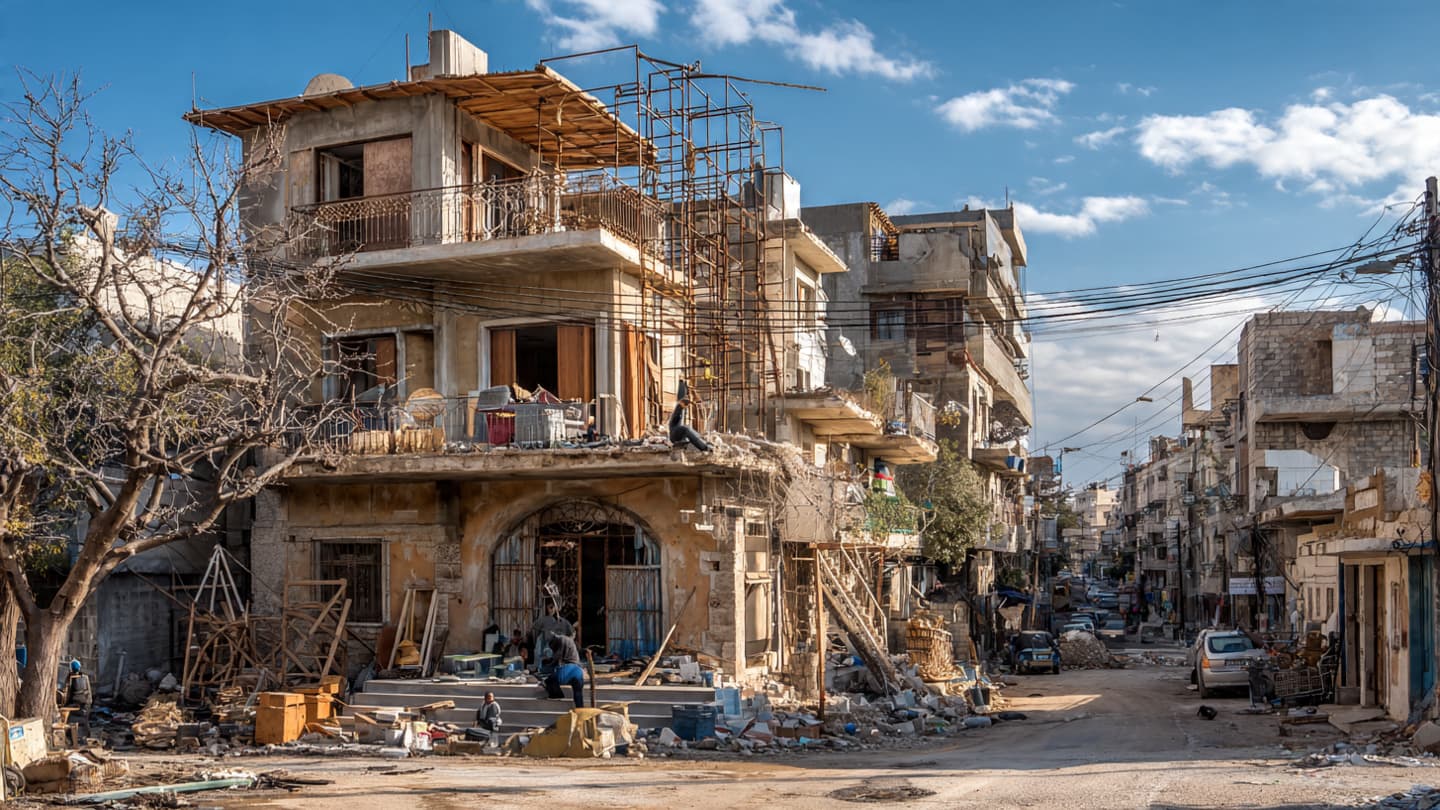
Conflicts are often measured through maps, military statements, and diplomatic exchanges. Yet beneath every statistic lies a quieter reality, one shaped by disrupted communities, damaged homes, and lives altered in ways that rarely fit into official reports.
Lebanese authorities report that Israeli military operations linked to the ongoing conflict have resulted in the deaths of 3,593 people in Lebanon. The figure reflects one of the most significant human tolls experienced by the country in recent years.
The fighting intensified following regional tensions that expanded beyond Gaza and drew multiple actors into a wider security crisis. Communities in southern Lebanon have been among the areas most affected by military activity and displacement.
According to official assessments, thousands more have been injured, while large numbers of residents have been forced to leave their homes. Humanitarian organizations continue to monitor conditions in affected areas and provide assistance where possible.
International agencies have repeatedly expressed concern about the impact of continued hostilities on civilians. Infrastructure damage, economic disruption, and prolonged displacement remain major challenges for many Lebanese communities.
Diplomatic efforts aimed at reducing tensions have continued through regional and international channels. However, progress toward a lasting arrangement has remained difficult amid ongoing security concerns and competing political interests.
Analysts note that the conflict's consequences extend beyond immediate casualties. Reconstruction costs, economic pressures, and social challenges are expected to influence Lebanon's recovery efforts for years to come.
For families affected by the violence, the figures reported by authorities represent more than statistics. Each number reflects an individual story and a community adjusting to loss and uncertainty.
Lebanese officials and international organizations continue documenting the humanitarian impact as diplomatic initiatives seek ways to prevent further escalation and support long-term stability.
AI Image Disclaimer: Some visual elements associated with this article were created using artificial intelligence and are intended solely for illustrative purposes
Source Verification Check Credible sources identified:
Reuters Associated Press Al Jazeera United Nations Lebanon Ministry of Public Health
Published by Banx Network. This article is part of the Banx decentralized media programme, powered by the BXE token on the XRP Ledger.

.jpg&w=3840&q=75 "Intelligence Agencies Suspect Russia Is Developing Anti-Satellite Weapon to Target Starlink")
