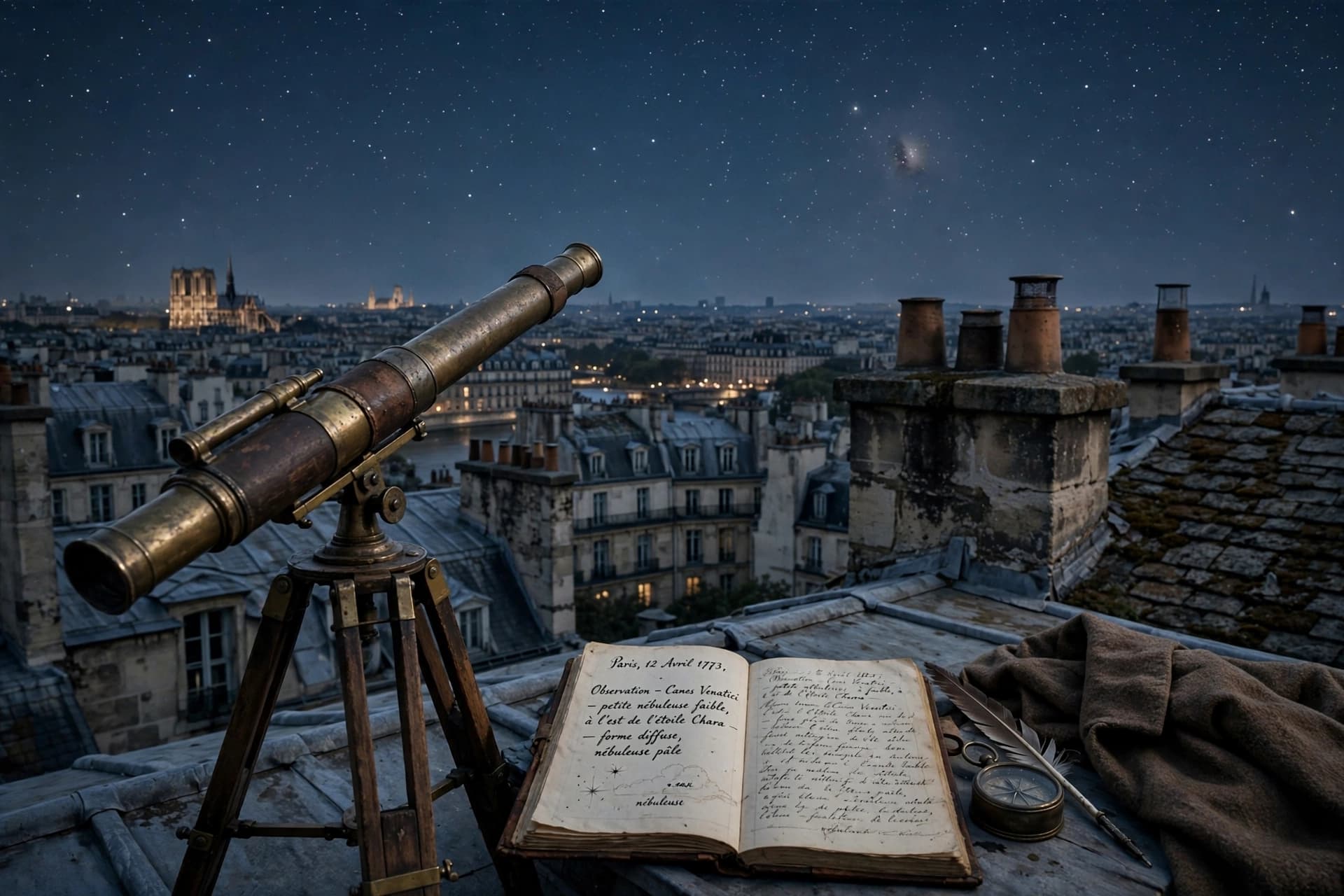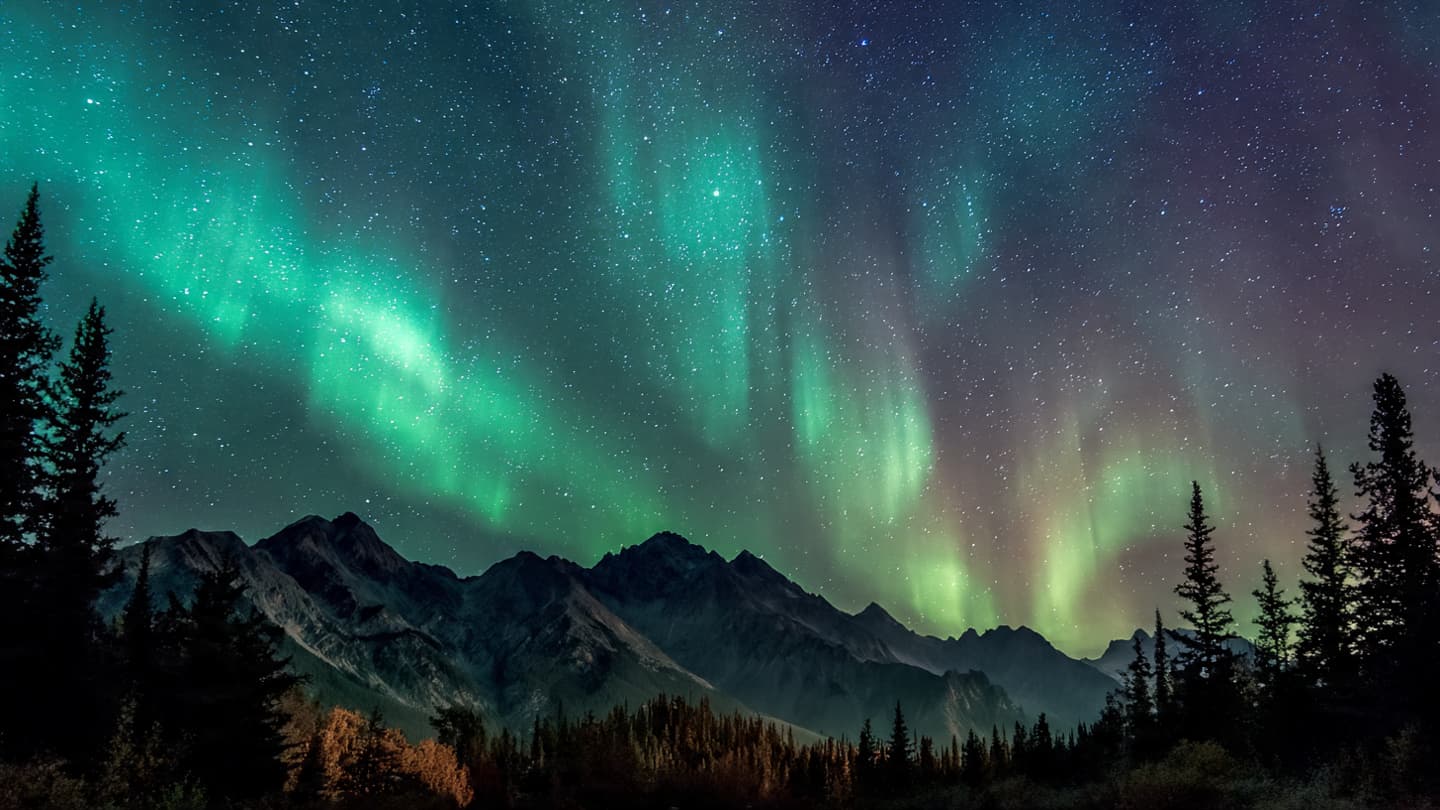
Across the northern sky, there are nights when darkness no longer feels empty. Curtains of green, violet, and pale silver begin drifting silently above forests, lakes, and quiet cities, transforming the atmosphere into something almost dreamlike. Scientists say parts of North America may soon witness another visible display of the aurora borealis as solar activity continues influencing Earth’s upper atmosphere.
The aurora borealis, commonly known as the northern lights, forms when charged particles from the Sun interact with Earth’s magnetic field and atmosphere. These collisions release energy that appears as luminous waves and shifting ribbons across polar skies.
Researchers monitoring space weather have observed increased solar activity associated with the Sun’s current cycle. Solar flares and streams of charged particles can strengthen geomagnetic conditions, allowing auroras to become visible farther south than usual under favorable circumstances.
Forecasters say viewing conditions will depend heavily on local weather, cloud cover, and light pollution. Rural regions with dark skies typically provide the clearest opportunities for observing the phenomenon, particularly during late-night and early-morning hours.
The northern lights have long carried cultural and spiritual significance for Indigenous communities and northern societies. Across centuries, different traditions interpreted the glowing skies through stories, symbolism, and observations tied closely to the rhythms of nature.
Scientists continue studying auroras not only for their beauty but also for what they reveal about interactions between Earth and the Sun. Space weather events capable of generating vivid auroras may also affect satellite communications, navigation systems, and electrical infrastructure.
Modern forecasting tools now allow researchers to predict geomagnetic activity with greater precision than in earlier decades. Satellite monitoring and solar observation missions provide near-real-time data helping both scientists and the public anticipate major auroral events.
As North Americans prepare to look upward once again, the approaching display offers a reminder that even amid modern technology and illuminated cities, the natural world still occasionally paints the night sky with quiet and fleeting wonder.
AI Image Disclaimer: Some aurora-related visuals linked to this article may be AI-generated recreations inspired by real atmospheric and space weather phenomena.
Sources: NOAA Space Weather Prediction Center, NASA, CBC News, SpaceWeather.com, National Geographic
Published by Banx Network. This article is part of the Banx decentralized media programme, powered by the BXE token on the XRP Ledger.