

Key Highlights
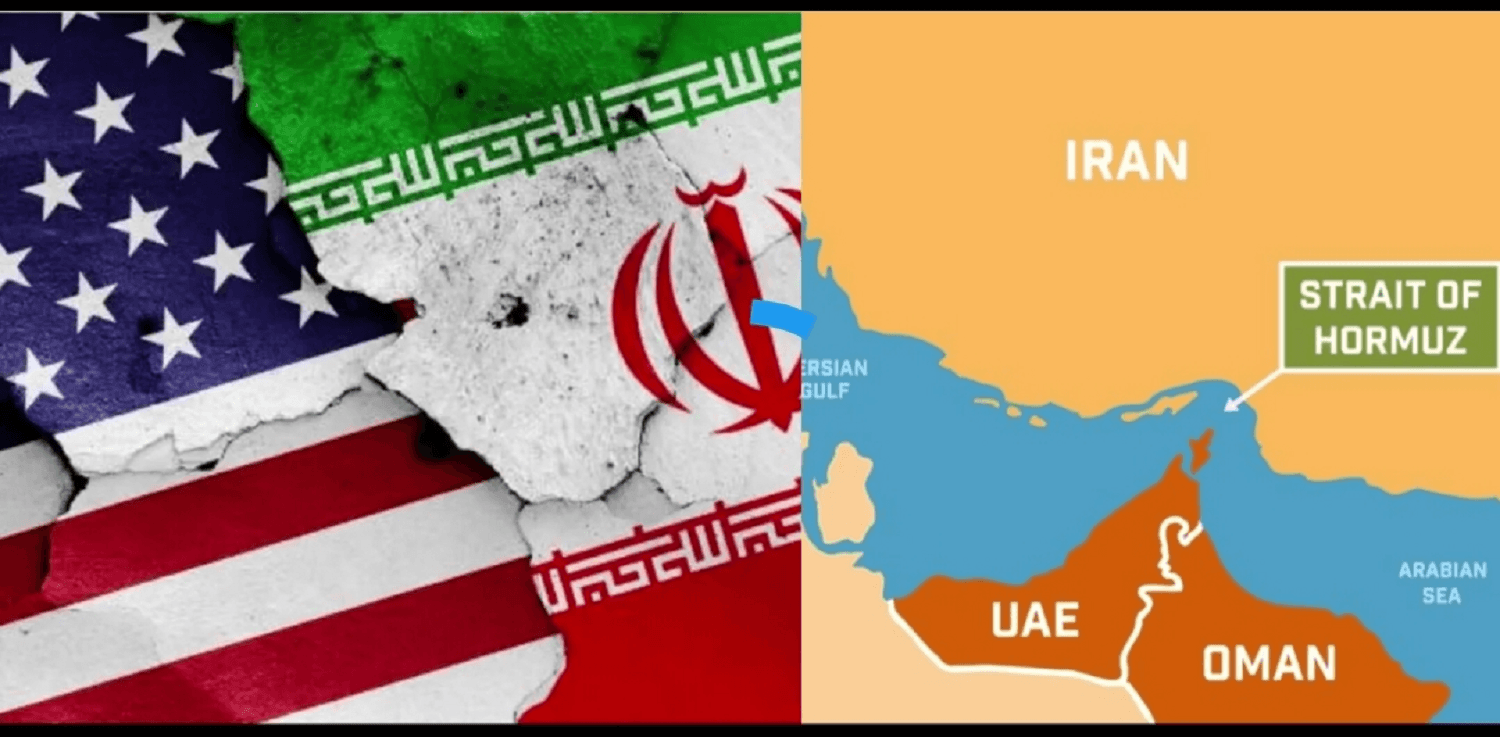
- Iran officially rejects the U.S.-backed peace plan for the Strait of Hormuz.
- The rejection escalates tensions ahead of a looming U.S. ultimatum.
- Military preparations intensify in the region as diplomatic efforts collapse.
TEHRAN/WASHINGTON — The fragile hope for a diplomatic resolution to the 2026 energy crisis evaporated on Tuesday morning, April 7, 2026, as the Iranian Ministry of Foreign Affairs officially rejected the 'Phase One' memorandum. This decision effectively scuttles the 45-day truce proposed by Turkish, Egyptian, and Pakistani mediators, setting the stage for a direct confrontation as President Trump’s 8:00 PM EST ultimatum looms.
In a televised address from an undisclosed location, Iranian officials characterized the U.S.-backed peace plan as 'economic blackmail.' The proposal demanded the immediate and unconditional reopening of the Strait of Hormuz in exchange for a temporary cessation of airstrikes and a seat at the negotiating table regarding Iran’s nuclear capabilities.
'We do not negotiate with a dagger at our throat,' a spokesperson for the Iranian Foreign Ministry stated. 'The Strait remains closed until the illegal maritime blockades against our own exports are lifted and the “Roaring Lion” aggressions cease entirely.' This firm stance underscores Iran's unwillingness to concede to what it perceives as coercive tactics from the U.S. and its allies.
The rejection has transformed the White House’s deadline from a diplomatic lever into a potential trigger for total war. With less than 12 hours remaining, National Security Council officials have reportedly shifted focus from mediation to 'target finalization.' The President’s earlier warning—that Iran would be 'living in Hell' if the waterway remained blocked—now weighs heavily over global capitals, raising fears of imminent military action.
Published by Banx Network. This article is part of the Banx decentralized media programme, powered by the BXE token on the XRP Ledger.




