The night sky often appears calm and unchanging to those standing beneath it. Yet beyond the familiar glow of stars, countless celestial objects move silently through space, following paths shaped over millions or even billions of years. Occasionally, one of these travelers passes close enough to Earth to briefly capture scientific and public attention alike.
Astronomers recently confirmed that asteroid 2026 JH2 passed relatively near Earth without posing any danger of collision. While the object remained at a safe distance by astronomical standards, its approach attracted interest because near-Earth objects continue playing an important role in planetary defense research and space observation programs.
Scientists estimate that the asteroid measures roughly the size of a blue whale, making it large enough to merit careful monitoring but far from catastrophic in its current trajectory. Modern tracking systems allowed astronomers to calculate its path accurately well before its closest approach, demonstrating how significantly asteroid detection capabilities have improved over recent decades.
Near-Earth asteroids are not unusual. Thousands have already been identified, and new discoveries occur regularly as telescopes and observation technologies become more advanced. Most pass harmlessly through the solar system, remaining distant enough to present no meaningful threat. Still, scientists continue monitoring them carefully because understanding orbital behavior is essential for long-term planetary safety.
Programs operated by NASA and international observatories now scan the skies continuously for objects that may one day approach Earth more closely. These efforts combine ground-based telescopes, automated detection software, and increasingly sophisticated orbital modeling systems. In many ways, asteroid tracking has become a global scientific collaboration built around preparation rather than fear.
Public fascination with asteroids often reflects a deeper emotional connection to space itself. Celestial events remind people that Earth exists within a dynamic cosmic environment rather than isolated stillness. The same universe that produces breathtaking astronomical beauty also contains natural forces moving on scales far beyond ordinary human experience.
Scientists emphasize that the current asteroid posed no danger to Earth, and they continue encouraging calm public understanding of near-Earth object monitoring. Media attention surrounding asteroids can sometimes create unnecessary alarm, especially when scientific distances are misunderstood. In reality, most monitored objects pass safely and predictably through space.
Beyond safety concerns, asteroids also hold scientific value because they preserve ancient material from the early solar system. Researchers study them to better understand planetary formation, chemical composition, and the origins of water and organic compounds that may have contributed to life on Earth billions of years ago.
For now, asteroid 2026 JH2 has continued its silent journey through space, leaving behind another reminder of humanity’s growing ability to observe the universe with precision and perspective. Under the endless movement of the cosmos, Earth remains both remarkably vulnerable and remarkably capable of understanding the skies surrounding it.
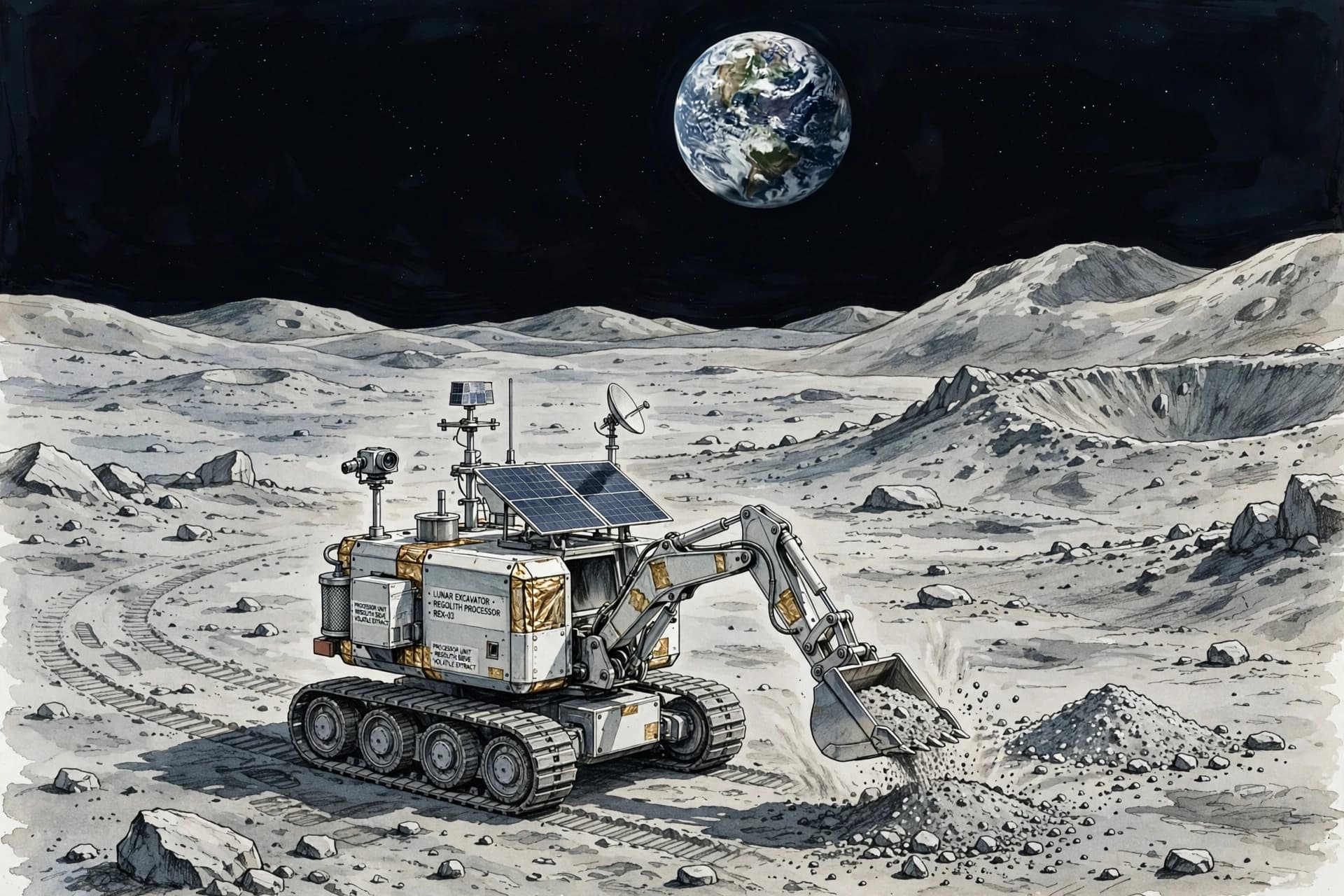
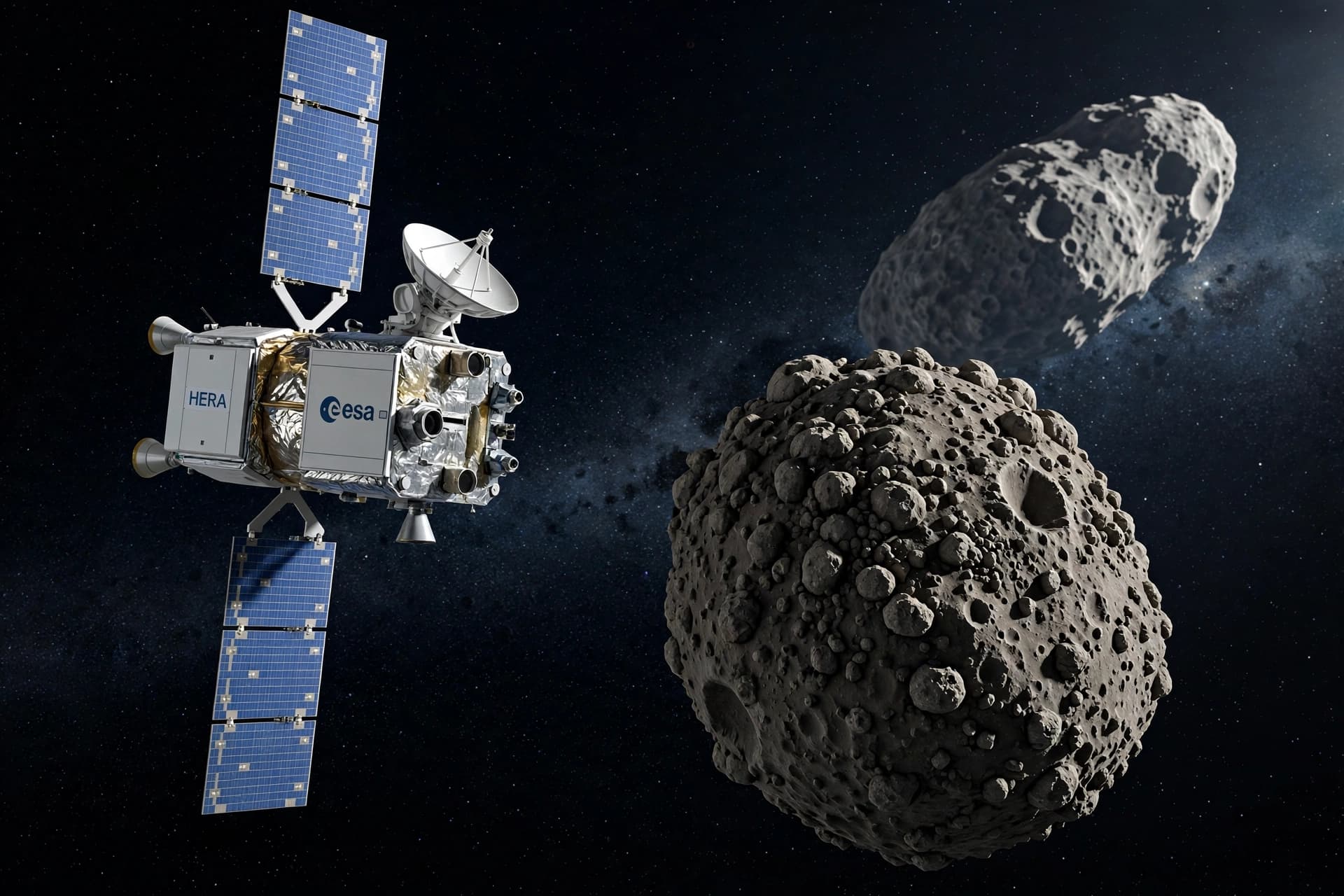
AI Image Disclaimer: Certain visuals included with this report may be AI-generated artistic interpretations of astronomical events and space objects.
Sources: Live Science, NASA, Reuters
Published by Banx Network. This article is part of the Banx decentralized media programme, powered by the BXE token on the XRP Ledger.