
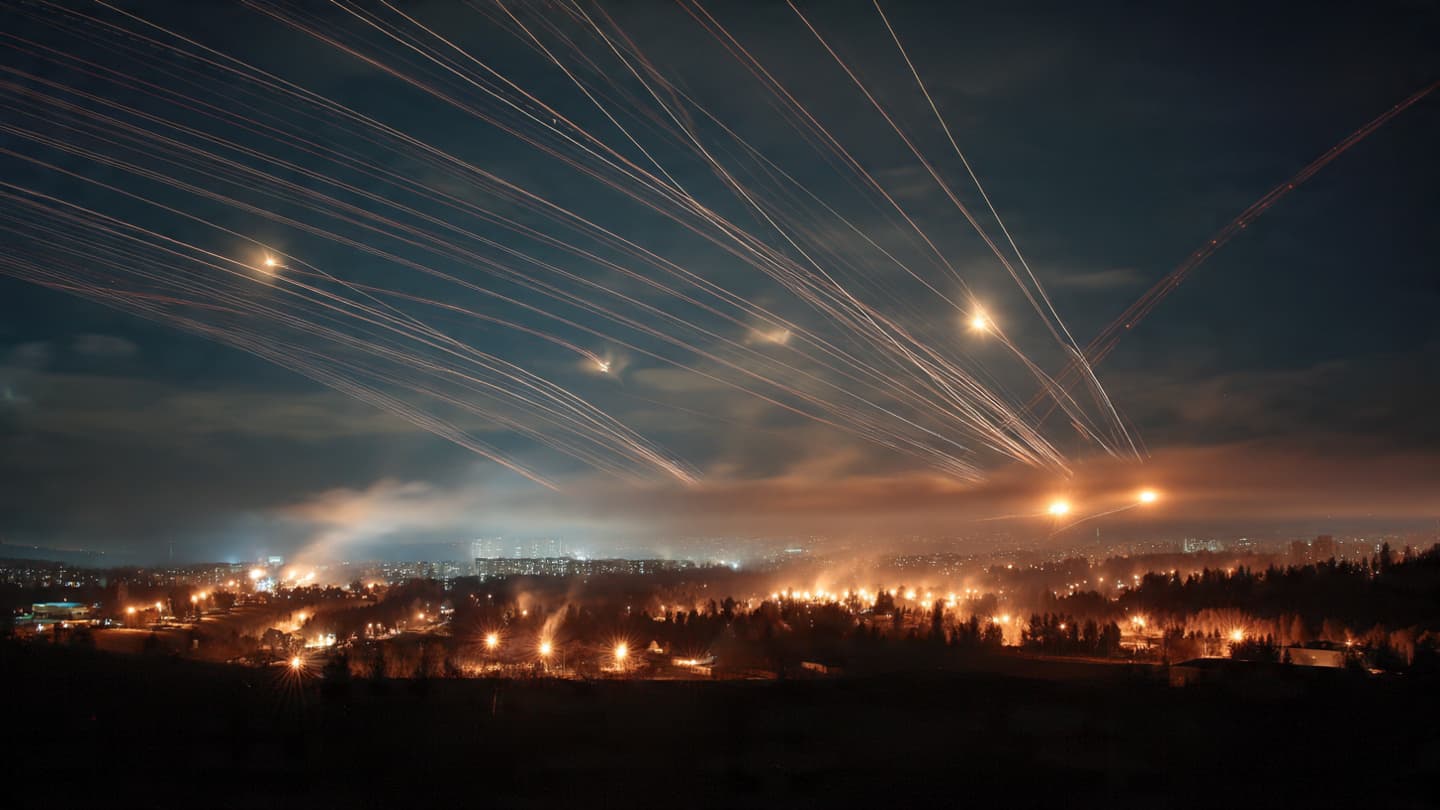
Conflict in the modern era no longer moves only through trenches or armored divisions. Increasingly, the sound of distant engines in the night sky has become part of warfare’s evolving language, where unmanned aircraft cross borders carrying both tactical objectives and psychological weight. In this atmosphere, retaliation often arrives as quickly as the attack itself.
Russia launched a large-scale retaliatory strike against Ukraine following reports that Moscow had been targeted by more than 130 drones in one of the most extensive aerial incidents affecting the Russian capital region in recent months. Russian authorities described the assault as a serious escalation requiring immediate military response.
According to Russian officials, air defense systems intercepted many of the incoming drones, though several areas reportedly experienced disruptions and structural damage. Emergency services were deployed across affected regions while authorities temporarily adjusted airport operations around Moscow.
Ukraine has not always publicly confirmed responsibility for drone operations targeting Russian territory, although Kyiv has repeatedly stated that military infrastructure connected to the conflict remains a legitimate target. Analysts note that drone warfare has significantly reshaped operational dynamics on both sides of the conflict.
Following the drone incident, Russia reportedly carried out strikes involving missiles and unmanned systems aimed at Ukrainian infrastructure and military positions. Ukrainian officials said air defense forces responded during overnight attacks affecting multiple regions.
Military observers say the increasing scale of drone operations reflects how low-cost aerial technology has transformed modern warfare. Both Russia and Ukraine have expanded drone production and deployment capabilities throughout the conflict.
The continued cycle of attacks and counterattacks has also deepened humanitarian concerns. Civilians in both countries remain exposed to infrastructure disruptions, air raid alerts, and prolonged psychological strain resulting from ongoing hostilities.
International leaders continue urging restraint while diplomatic efforts toward lasting negotiations remain limited. The conflict has increasingly evolved into a prolonged confrontation involving technological adaptation, economic pressure, and strategic attrition.
Russian and Ukrainian authorities both indicated that security operations remain ongoing as tensions continue shaping the broader regional security environment.
Disclaimer: Certain images featured in this article were generated using AI technology.
Sources: Reuters, BBC, AP, Al Jazeera, The Guardian
Published by Banx Network. This article is part of the Banx decentralized media programme, powered by the BXE token on the XRP Ledger.
.jpg&w=3840&q=75 "Blake Lively Awarded $400,000 in Legal Fees After Justin Baldoni Lawsuit Dismissed")
.jpg&w=3840&q=75 "US Declares Drought Disaster for Parts of Puerto Rico as Dry Conditions Persist")
