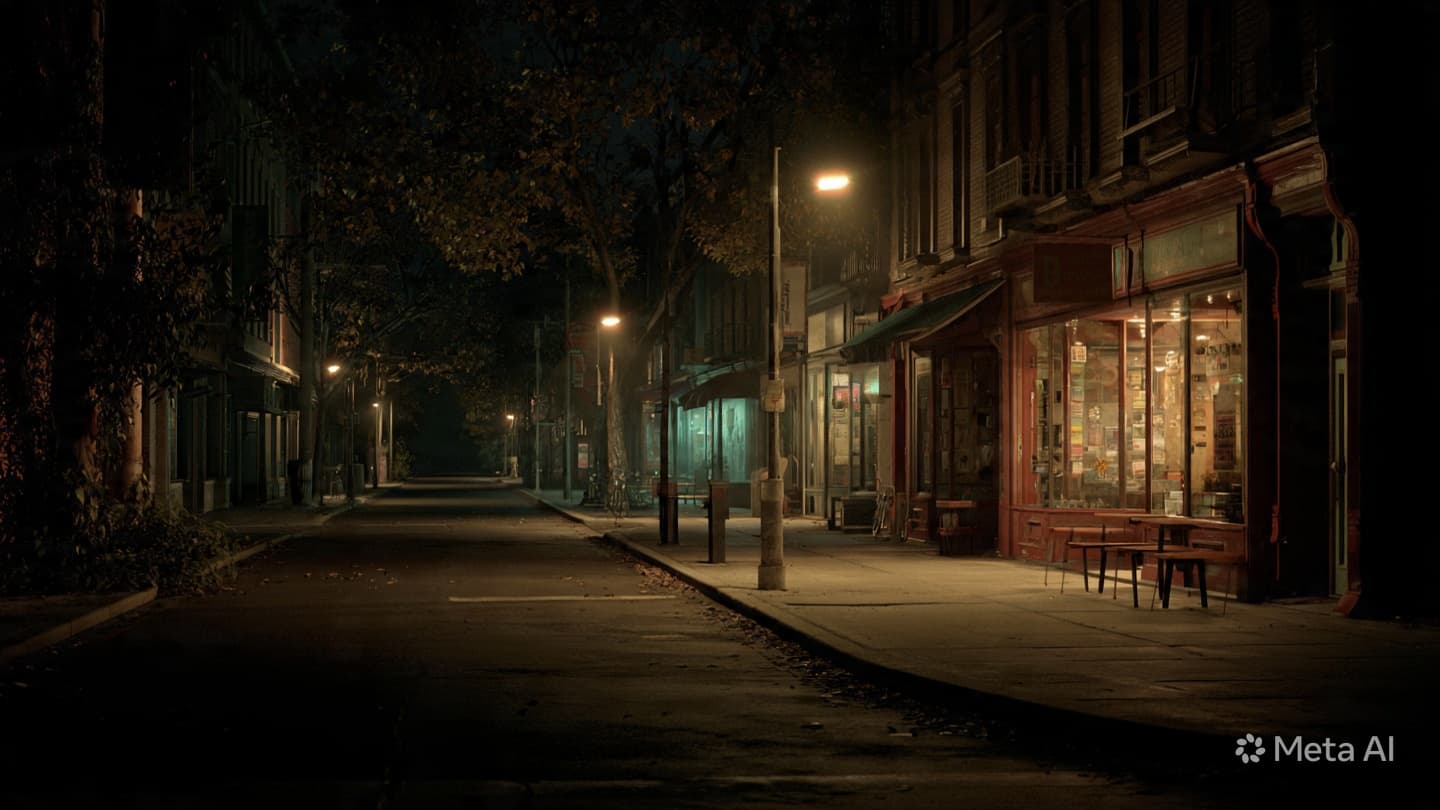
The retail district, when the doors are locked and the streetlights cast their long, rhythmic shadows across the pavement, takes on a different character. It becomes a space of dormant commerce, waiting for the return of the sun and the flow of the city’s life. Yet, for the retail burglary ring, this silence is an opportunity—a fleeting window of time where the value housed within the walls becomes a target for the swift, calculated motion of the thief. The arrest of these suspects is a moment of restoration, a quiet, necessary correction to the city’s nocturnal order.
To investigate the activity of such a ring is to study the anatomy of the crime as it reflects the vulnerability of the retail environment. These operations are rarely the work of a single individual; they are organized, persistent, and highly aware of the security landscapes of the district. The suspects move with a practiced, almost professional, efficiency, their actions a cold mimicry of the retail flow itself—enter, acquire, and disappear. It is a cycle of illicit motion that exploits the very systems designed to protect the store, turning security measures into the final hurdles of a choreographed, unlawful dance.
When the police intervene, the arrests bring a sudden, jarring halt to this cycle. The investigation, characterized by the careful collation of evidence and the patient tracking of the ring’s movements, is a narrative of persistence. It is a reminder that the city is not merely a collection of buildings, but a community that relies on the stability of its commerce to function. The police, in their duty, act as the stabilizers of this environment, ensuring that the work of the merchant and the security of the shop are not eroded by the actions of those in the shadows.
There is a reflective, sobering quality to the aftermath of these arrests. We are left to consider the nature of the retail district as a place of trust, where the goods are displayed and the doors are kept secure under the assumption of mutual respect for property and labor. The burglary ring is a violation of this implicit agreement, a fracture in the fabric of the community’s economic life. The restoration of order, therefore, is not just about the return of property or the confinement of the culprits, but about the preservation of the trust that allows the district to thrive.
As the stores return to their morning routine—the unlocking of doors, the display of wares, the welcoming of the public—the memory of the burglary ring fades into the backdrop of the city’s history. It is a story of a struggle that is both local and universal, a reminder that the safety of our shared spaces is a labor that must be continuously renewed. The police remain, as they have always been, the observers of this grand, recurring process, watching the streets with the steady, calm focus of those who know the value of the quiet, orderly morning.
Recent police operations have successfully dismantled a prominent retail burglary syndicate that had been targeting major shopping districts. By analyzing crime patterns and leveraging real-time surveillance, investigators were able to identify and apprehend the core members of the ring. Legal proceedings are now focused on the prosecution of the suspects and the return of stolen inventory to the impacted businesses. Authorities emphasize that the implementation of upgraded security protocols and enhanced regional collaboration have been critical in securing the district against these persistent criminal networks.
Published by Banx Network. This article is part of the Banx decentralized media programme, powered by the BXE token on the XRP Ledger.