1. Oil Prices Are Flashing a Warning Signal
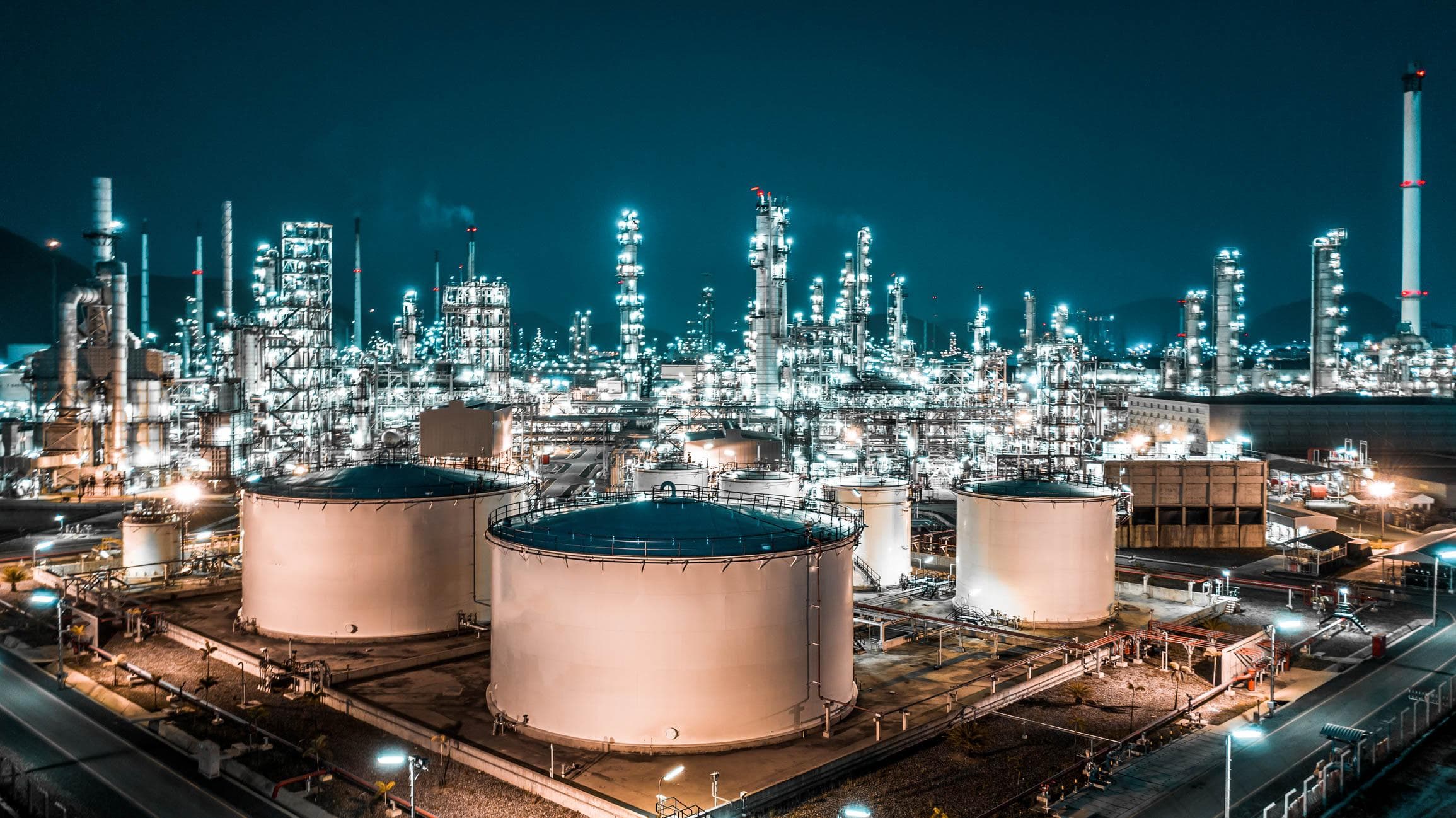
Oil is one of the most important inputs in the global economy. It powers transport, supports industrial production and influences the cost of moving goods across international supply chains. When crude prices rise sharply, the effects can spread well beyond petrol stations and energy companies.
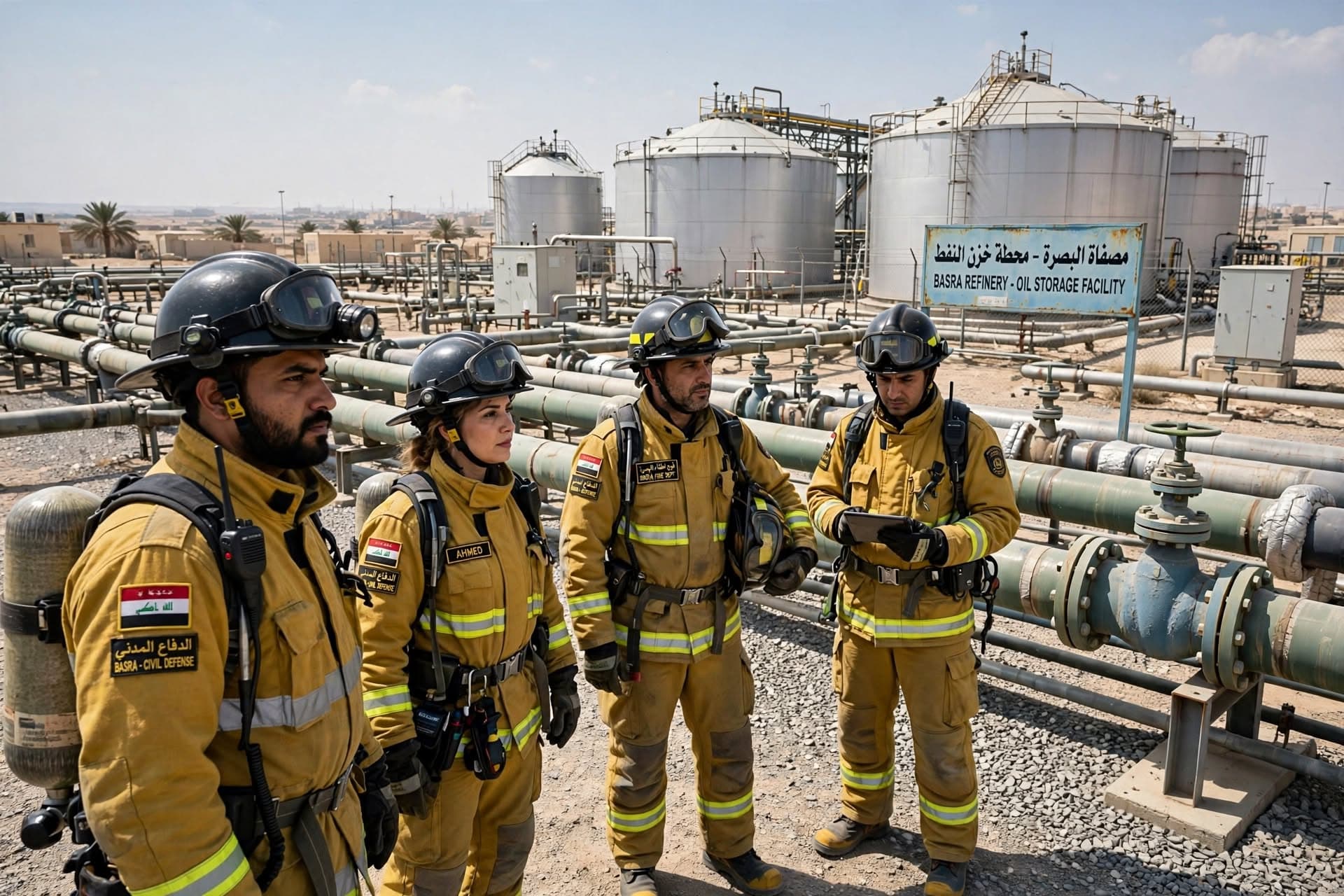
On 20 October 2026, Brent crude reached approximately $111.75 a barrel, its highest level in five months, as escalating tensions in the Middle East raised concerns about attacks on energy infrastructure and shipping routes. Reports of attacks on Saudi targets and vessels added to fears that the region’s energy exports could face further disruption [1].
The rise matters because oil prices influence costs throughout the economy. Airlines need fuel, hauliers need diesel, factories require energy and retailers depend on transportation to move products from warehouses to shops.
If companies cannot absorb these additional costs, some will pass them on to customers. What begins as a rise in crude oil prices can therefore develop into a broader inflation problem.
However, a high oil price alone does not guarantee a global economic crisis. The outcome will depend on how long prices remain elevated, whether physical supplies are interrupted and how businesses, governments and central banks respond.
2. Why the Middle East Matters to the Global Economy
The Middle East remains central to international energy security. Several major oil and gas producers operate in the region, while critical maritime routes connect producers with customers across Asia, Europe and other parts of the world.
One of the most strategically important routes is the Strait of Hormuz, a narrow passage between Iran and Oman through which substantial volumes of internationally traded oil and liquefied natural gas normally travel.
When conflict threatens shipping in the region, energy markets respond to the possibility that supplies could become more expensive or difficult to transport. Even when oil continues to flow, heightened risks can increase insurance premiums, freight charges and the cost of securing alternative supplies.
The International Monetary Fund has warned that the conflict-driven energy shock could weigh on global growth while pushing inflation higher. Its managing director, Kristalina Georgieva, also highlighted the interaction between energy pressures, elevated public debt and risks associated with the rapid expansion of artificial intelligence investment [2].
This combination is particularly concerning. The global economy must contend not only with higher energy costs but also with financial markets that may be sensitive to interest rates, debt repayments and uncertainty.
A prolonged disruption would make it harder for energy-importing economies to maintain stable prices without sacrificing economic growth.
3. How an Oil Shock Turns Into Inflation
Oil does not need to become scarce everywhere for consumers to feel the effects. Higher international prices can feed into domestic costs through several channels.
Transport and fuel: Petrol and diesel prices can rise, increasing the cost of commuting, deliveries and commercial transport.
Food production: Agriculture depends on fuel, machinery, fertilisers, refrigeration and distribution networks. Higher energy costs can eventually increase the price of producing and delivering food.
Manufacturing: Energy-intensive industries, including chemicals, metals and other industrial producers, face higher operating expenses when fuel and electricity prices increase.
Travel and tourism: Airlines, shipping companies and other travel businesses may raise fares or introduce surcharges to recover higher fuel expenses.
Retail and services: Businesses with narrow profit margins may have little choice but to increase prices if higher operating costs persist.
The process is not instantaneous. Some businesses have fuel contracts, existing inventories or other arrangements that delay the impact. Others may initially accept lower profits rather than risk losing customers.
But if energy prices remain high, these protections can weaken. More companies may eventually adjust their prices, spreading the initial shock across the economy.
This is why policymakers watch not only oil prices but also measures of underlying inflation, business pricing decisions and wage growth.
4. Britain Faces a Difficult Inflation Challenge
The United Kingdom is particularly exposed to developments in international energy markets because it remains affected by global prices for oil and gas.
The Bank of England reported that UK consumer price inflation stood at 3.1% in its September 2026 monetary policy update, above its 2% target. It also warned that the Middle East conflict had pushed energy prices higher and that inflation could rise further if the volatility continued [3].
For households, another increase in energy and transport costs would arrive against a backdrop in which many essential expenses already consume a substantial share of monthly income.
Higher petrol prices can affect commuters and delivery costs. Rising utility bills can reduce the money available for discretionary spending. If food prices also increase, households may have less flexibility to manage their budgets.
The consequences extend to businesses. Companies that face higher electricity bills, fuel costs and supplier prices may delay recruitment, reduce investment or increase prices.
The Bank of England faces a difficult balance: it must prevent inflation from becoming entrenched without unnecessarily weakening economic activity.
Governor Andrew Bailey cautioned in October that it was too early to draw firm conclusions about the full inflationary impact of rising energy costs. He warned, however, that sustained pressure could squeeze corporate margins and eventually encourage businesses to raise prices [4].
That uncertainty will be central to future monetary policy decisions.
5. Could Interest Rates Rise Again?
When inflation rises, central banks may increase interest rates to restrain demand and prevent price increases from becoming embedded in the economy.
Higher borrowing costs can discourage spending, make credit more expensive and encourage saving. Over time, this can reduce the ability of businesses to raise prices and help bring inflation back towards target.
But an energy-driven inflation shock creates a complication: raising interest rates does not produce more oil, reopen shipping routes or repair damaged energy infrastructure.
Instead, central banks must manage the secondary effects. If higher energy costs are temporary, policymakers may choose to look through some of the immediate inflation increase. If price pressures spread into wages, services and business pricing, tighter monetary policy may become more necessary.
In an October 2026 Reuters poll, 54 of 63 economists expected the Bank of England to raise its Bank Rate from 3.75% to 4% at its November meeting. This was a forecast from economists, not a confirmed decision, and there was less agreement about the direction of rates beyond that meeting [5].
For borrowers, the possibility of higher rates matters. Mortgage holders approaching a remortgage, households using variable-rate credit and businesses relying on loans could face additional pressure if borrowing costs increase.
For investors, the prospect of higher rates can also reduce the attractiveness of some assets whose valuations depend on expectations of cheaper money.
The danger is that an energy shock could keep inflation high at precisely the moment households and businesses need relief.
6. The Risk of Stagflation
One of the most troubling outcomes of a prolonged energy crisis is stagflation: a combination of persistent inflation and weak economic growth.
Normally, inflation rises when demand for goods and services is strong relative to supply. Central banks can respond by raising interest rates and cooling demand.
An oil shock is different. It can increase costs while simultaneously reducing consumers’ purchasing power and making production more expensive.
Households spend more on fuel and energy, leaving less money for restaurants, clothing, entertainment and other purchases. Businesses face higher costs while potentially experiencing weaker sales. Investment and hiring can then slow.
This creates a difficult cycle:
Energy prices rise and push up production and transport costs.
Businesses pass some costs to customers or accept lower profits.
Households reduce spending as essential expenses increase.
Economic growth weakens while inflation remains elevated.
Central banks face pressure to control prices despite the risk of slowing the economy further.
The IMF’s October warning about energy supply shocks, public debt and AI-related demand pressures highlights how several economic forces can interact rather than operate independently [2].
Stagflation is not an inevitable outcome of high oil prices. It becomes a greater risk when the shock is sustained, inflation expectations rise and the economy struggles to adapt.
7. Why Food Prices Could Become the Next Problem
Energy costs influence food prices in ways that are not always immediately visible.
Farmers use fuel to operate machinery, transport crops and power equipment. Fertiliser production can be energy-intensive, while food manufacturers require electricity for processing, packaging, refrigeration and storage.
Once products leave farms and factories, they must be transported through distribution networks before reaching supermarkets and restaurants.
If fuel and freight costs remain high, businesses throughout this chain may face pressure to increase prices.
There can be a significant delay between the original energy shock and its full effect on supermarket shelves. Existing contracts, inventories and competitive pressures may initially limit price increases. The impact can become more visible as businesses renew contracts or replace stock at higher costs.
The effects will not be uniform. Weather conditions, harvests, currency movements, government policies and the availability of alternative suppliers also influence food prices.
For lower-income households, however, even relatively modest increases in essential groceries can be difficult to absorb because a greater proportion of their income is already devoted to necessities.
A sustained energy shock could therefore deepen the pressure on household finances long after the initial rise in crude oil prices attracts public attention.
8. Which Businesses Could Be Hit Hardest?
An oil crisis does not affect every company equally. Some businesses benefit from higher energy prices, while others face increased costs and weaker demand.
Potentially vulnerable sectors include:
Airlines: Fuel is a major operating expense, and passing all additional costs to passengers may reduce demand.
Road transport and logistics: Higher diesel prices can squeeze margins for delivery companies and hauliers.
Chemicals and manufacturing: Energy-intensive operations may face significant cost increases.
Retail and consumer goods: Higher transport and supplier costs can coincide with reduced consumer spending.
Hospitality and tourism: Households facing higher essential bills may cut back on holidays, restaurants and leisure activities.
Highly indebted businesses: Companies already dealing with expensive financing may struggle to absorb additional costs.
Energy producers may benefit from higher selling prices, although the outcome depends on production costs, taxes, operational disruptions and market conditions.
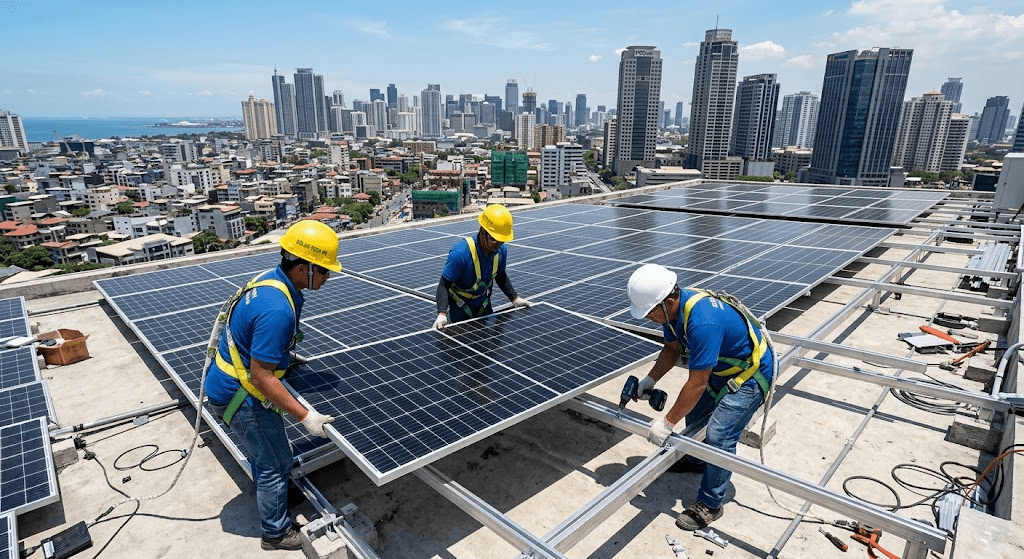
Some renewable energy businesses may also attract greater interest as governments and companies look to reduce exposure to imported fossil fuels. However, higher oil prices do not automatically translate into higher profits for every clean-energy company.
For investors, the important distinction is between businesses that can adapt to higher costs and those whose margins depend on stable fuel prices, strong consumer demand or inexpensive financing.
9. Could Financial Markets Face Another Shock?
Financial markets are sensitive to both inflation and interest-rate expectations.
When investors believe inflation will remain high, they may anticipate tighter monetary policy and demand higher yields on government bonds. Rising yields can increase financing costs across the economy and put pressure on valuations for stocks and other assets.
An energy shock can also change expectations about corporate earnings. Companies facing higher operating expenses may deliver weaker profits, while consumers with less disposable income may spend less.
The result can be simultaneous pressure on shares and bonds, although market performance depends on the specific circumstances and investor positioning.
There is also a risk of heightened currency volatility. Energy-importing countries may experience pressure on their trade balances as they spend more on fuel from overseas. Currency movements can then make imported goods more expensive, depending on how exchange rates respond.
The IMF has already identified the combination of energy disruption, public debt and financial-market vulnerabilities as a concern for the global economy [2].
If inflation remains stubborn, investors may have to reassess expectations for interest-rate cuts, corporate earnings and economic growth. That reassessment could lead to sharper market movements.
Nevertheless, a rise in oil prices does not automatically mean a stock market crash. The severity of any market correction would depend on how the shock affects profits, borrowing costs, consumer demand and confidence.
10. Could the Crisis Accelerate the Energy Transition?
A prolonged period of expensive oil and gas could strengthen the economic case for reducing dependence on imported fossil fuels.
Governments may reconsider energy-security strategies, while businesses could invest more in efficiency, electrification and alternative energy sources. Consumers may also become more interested in electric vehicles, public transport and reducing household energy consumption.
Renewable energy, nuclear power, electricity storage and more efficient industrial processes could all play a role in improving energy resilience.
However, the transition requires substantial investment, planning and infrastructure. Renewable generation cannot replace every use of oil immediately, and electricity networks, storage systems and industrial equipment may need years to adapt.
The transition itself can also face cost pressures. Equipment, construction, financing and supply chains all have their own vulnerabilities.
The longer-term lesson is that energy security involves more than finding the cheapest source of fuel. It also requires reliable infrastructure, diversified supplies, resilient transport routes and the ability to withstand international disruption.
For countries that import substantial quantities of energy, reducing exposure to sudden price spikes could become an increasingly important economic objective.
11. What Should Investors and Households Watch?
The next phase of the crisis will depend on whether higher prices persist and whether the effects spread beyond the energy sector.
Several indicators will be particularly important:
1. Brent crude prices: Sustained increases would suggest that supply concerns or geopolitical risks remain significant. A short-lived spike would present a different economic challenge from months of elevated prices.
2. Shipping and energy infrastructure: Developments affecting major export routes, ports and production facilities could determine whether physical supply disruptions worsen or ease.
3. UK inflation data: Headline inflation will show the overall price impact, while measures of underlying inflation can help reveal whether the shock is spreading to other parts of the economy.
4. Bank of England decisions: Interest-rate announcements and policymakers’ guidance will provide clues about how seriously they view the risk of persistent inflation.
5. Business earnings: Company results can reveal whether higher energy and transport costs are reducing profits or being passed on to customers.
6. Consumer spending and employment: Weakening retail activity, slower hiring or rising unemployment could indicate that households and businesses are struggling to absorb higher costs.
7. Government responses: Temporary support for households or energy-intensive industries may reduce immediate pressure, but the design and cost of any intervention will matter for public finances.
For households, practical preparation is more useful than attempting to predict every movement in oil prices. Reviewing essential spending, avoiding unnecessary expensive borrowing and maintaining a realistic budget can help provide flexibility if living costs rise.
Investors should also distinguish between a short-term market reaction and a lasting change in the economic outlook. No single indicator can predict the full impact of an energy crisis.
12. Conclusion: A Temporary Spike or the Start of a Bigger Crisis?
The latest surge in oil prices is a reminder of how quickly geopolitical tensions can become an economic problem.
An energy shock can increase transport and production costs, push inflation higher and complicate decisions for central banks. In Britain, where inflation was already above the Bank of England’s target in September 2026, prolonged pressure could make the path back to price stability more difficult.
The greatest danger is not necessarily one day of expensive oil. It is a sustained disruption that gradually spreads through food prices, services, wages, business investment and borrowing costs.
There are reasons not to assume the worst. Energy markets can stabilise if supply routes remain open, tensions ease or production adjusts. Businesses may absorb part of the cost, and central banks may avoid overreacting if broader inflation remains contained.
But if prices stay elevated, the consequences could extend well beyond petrol stations. Households may have less disposable income, businesses may face weaker demand, governments may encounter additional fiscal pressure and investors may need to reassess the outlook for growth.
The next inflation shock, if it develops, will test whether the global economy has become more resilient to energy disruption—or whether it remains vulnerable to events far beyond its control.
The critical question is no longer simply how high oil prices can climb. It is how long the world can absorb the costs before they begin to reshape the wider economy.
Sources
[1] Reuters — Brent hits five-month high as attacks on ships, Saudi sites fuel supply worries (20 October 2026). https://www.reuters.com/business/energy/oil-eases-markets-assess-potential-waiver-russian-energy-middle-east-supply-2026-10-20/
[2] Reuters — IMF chief warns energy shock, growing debt and AI risks threaten global growth (7 October 2026). https://www.reuters.com/world/asia-pacific/imf-chief-warns-energy-shock-growing-debt-ai-risks-threaten-global-growth-2026-10-07/
[3] Bank of England — Interest rates and Bank Rate: our latest decision (September 2026). https://www.bankofengland.co.uk/monetary-policy/the-interest-rate-bank-rate/
[4] Financial Times — 'Early days' to see full effect of energy prices on inflation, BoE's Bailey says (16 October 2026). https://www.ft.com/content/b6255adb-3ce5-4463-92cd-de2f8e9a1f74
[5] Reuters — Poll: BoE to raise rates to 4% in November, but economists narrowly expect hold from there (15 October 2026). https://www.reuters.com/world/uk/boe-raise-rates-4-november-economists-narrowly-expect-hold-there-2026-10-15/
Published by Banx Network. This article is part of the Banx decentralized media programme, powered by the BXE token on the XRP Ledger.