
For much of history, exploration has been marked by flags, maps, and the desire to reach places no one had reached before. Yet as humanity extends its reach into the solar system, a different kind of race is taking shape—one focused not on symbolic milestones but on bringing pieces of distant worlds back to Earth.
Scientists increasingly view sample-return missions as among the most valuable endeavors in planetary exploration. Unlike remote observations, physical samples allow researchers to conduct detailed laboratory analyses using instruments too large and sophisticated to send into space.
Mars remains one of the most compelling targets. Decades of robotic exploration have revealed evidence of ancient rivers, lakes, and environmental conditions that may once have supported microbial life. Carefully preserved samples from the Martian surface could help answer questions that have persisted for generations.
Another important destination is Phobos, the larger of Mars' two moons. Researchers hope that material collected from its surface may reveal clues about its origin and provide insight into the history of the Martian system.
Ancient asteroids have also become key objectives. These rocky bodies are often described as time capsules because many have remained relatively unchanged since the formation of the solar system more than 4.5 billion years ago.
Recent missions have already demonstrated the value of this approach. Samples returned from asteroids have provided unprecedented information about early planetary materials, organic compounds, and the processes that shaped the young solar system.
Several space agencies are now investing in increasingly ambitious missions designed to collect and return pristine material. Success depends on overcoming major engineering challenges, including precise landings, sample preservation, and safe return journeys across millions of miles.
The emerging competition is largely scientific rather than geopolitical. While national prestige remains part of space exploration, researchers emphasize that returned samples can benefit the global scientific community through shared analysis and collaboration.
As planning continues for future missions, attention is shifting from simply reaching distant worlds to understanding them in greater detail. The next era of exploration may be defined not by where spacecraft land, but by what they bring home.
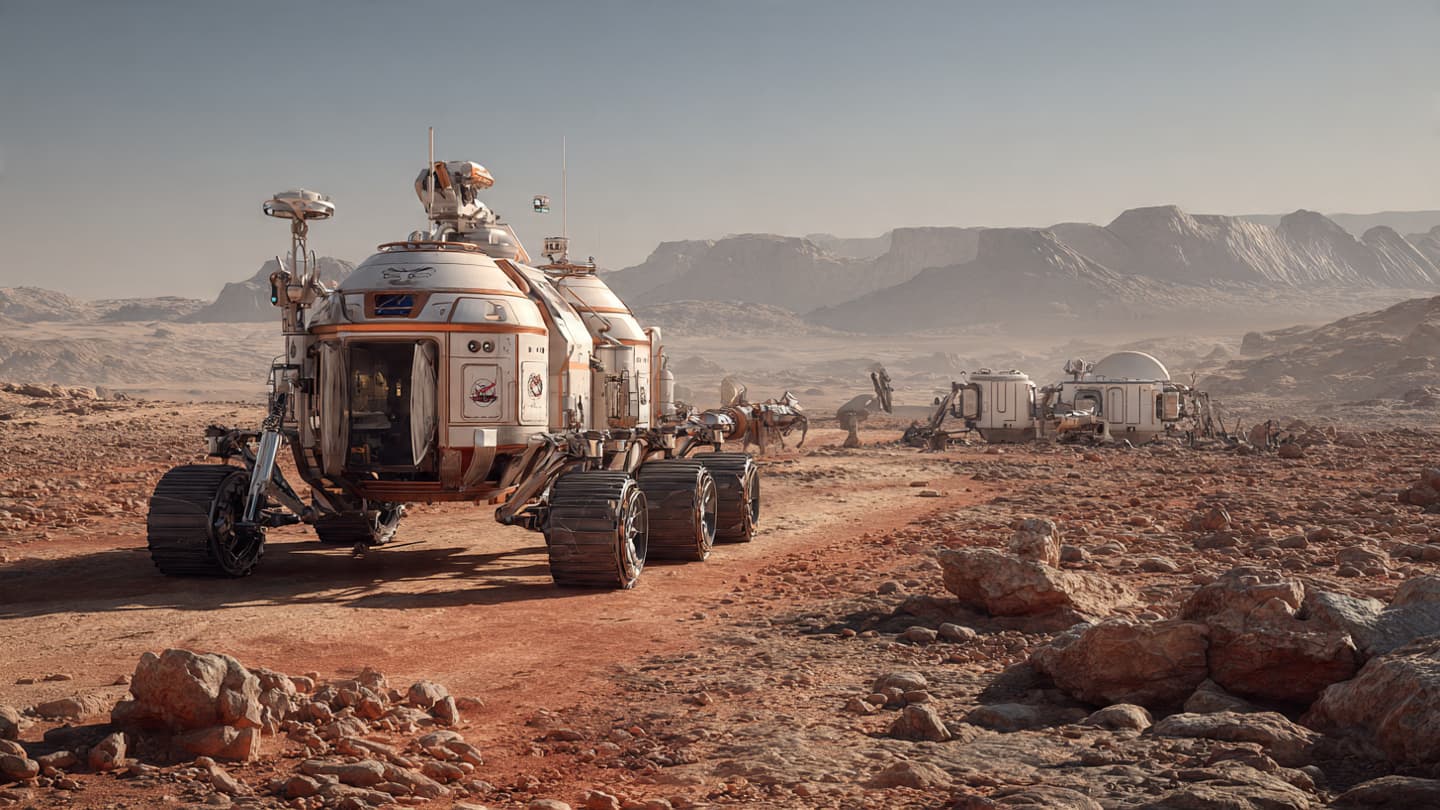
AI Image Disclaimer: Images associated with this article are AI-generated visualizations created to illustrate future space exploration concepts.
Sources Verified: NASA, ESA, JAXA, Nature, Science Magazine
Published by Banx Network. This article is part of the Banx decentralized media programme, powered by the BXE token on the XRP Ledger.



