
Key Highlights
- Telemedicine Initiative:Serbia launches a national telemedicine platform.
- Improved Access:Over 500 rural health outposts now equipped with technology.
- Health Outcomes:30% increase in early detection of cardiovascular conditions.
In the remote villages of rural Serbia, where the mountains rise in steep, emerald folds and the roads wind like ancient ribbons, the distance to the nearest clinic has traditionally been measured in hours of travel. For the elderly who have spent their lives tending the high pastures and families in the isolated valleys, a simple medical consultation has often been an arduous journey. However, today, the silence of these distant homes is being met with a new, digital pulse of care.
The implementation of a national telemedicine platform is redrawing the map of Serbian healthcare, ensuring that geography is no longer a barrier to accessing medical expertise. Through the simple glow of a screen, village residents can now consult with specialists in Belgrade, sharing their concerns and receiving guidance without leaving the comfort of their own homes. This initiative represents a bridge built of data, spanning the gaps that time and terrain have long maintained.
This transition is more than a technical convenience; it is a profound act of social inclusion. By bringing the doctor to the patient, the system restores a sense of dignity and security to those who felt forgotten by the rapid pace of urban progress. It modernizes the traditional house call, updated for an era where a physician’s touch can be guided by high-definition cameras and real-time biometric sensors.
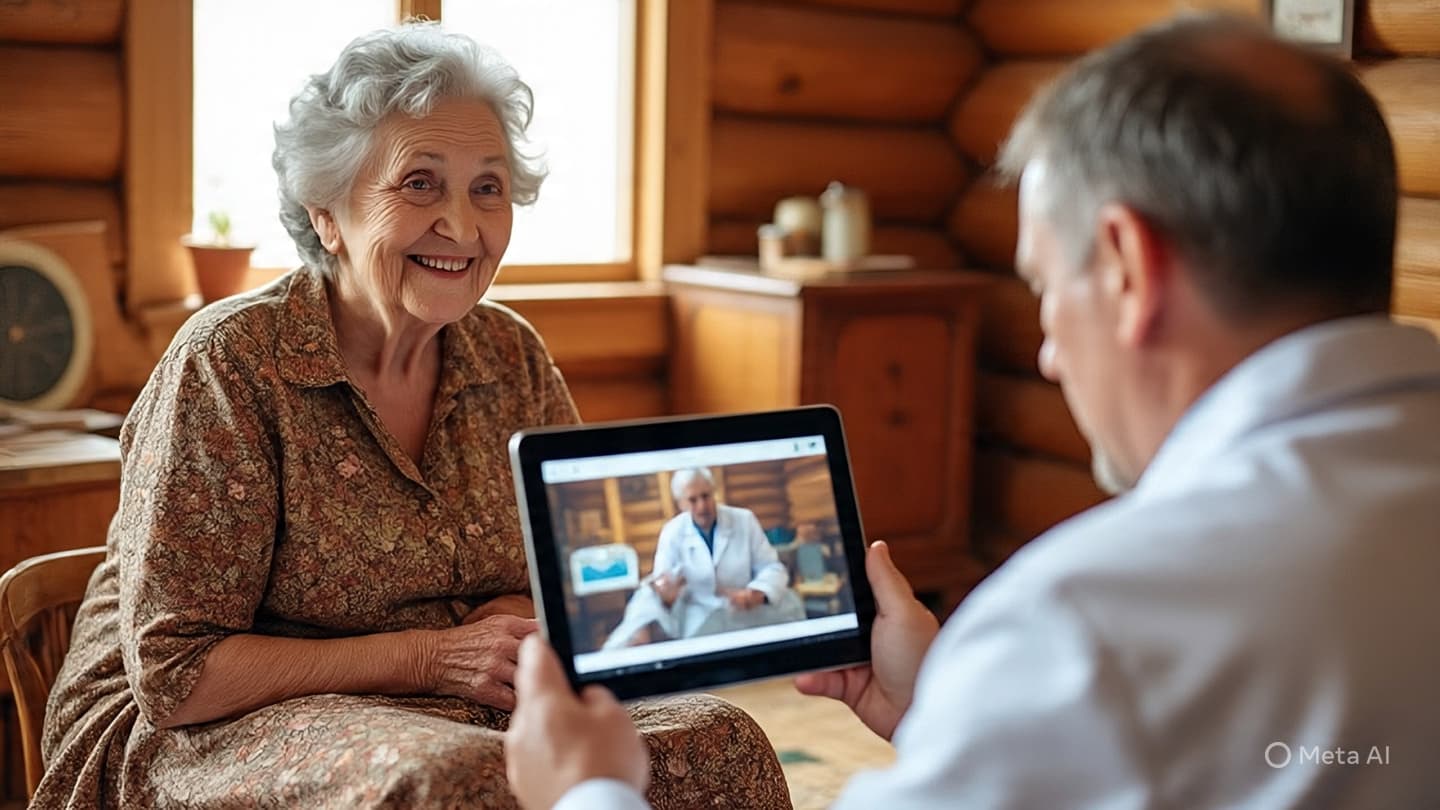
Local nurses play a crucial role in facilitating these digital visits, acting as the essential human link in the machine. They hold the tablets and explain the technology to a generation that remembers a world before the telephone. Their work is a delicate blend of traditional compassion and modern skill, ensuring that the digital divide does not become a health divide.
For Serbia's healthcare system, this project represents a vital optimization of resources. By managing routine consultations and chronic care through virtual clinics, physical hospitals can focus on the most urgent cases. This approach recognizes that the most effective medicine is often the one that reaches the patient at the earliest possible moment.
As the sun sets over the Zlatibor heights, a grandmother in a quiet cottage completes her check-up with a cardiologist miles away. The anxiety of the unknown is replaced by the calm of a professional’s reassurance. In this moment, technology, which can often feel cold and distant, becomes an instrument of profound intimacy and relief.
The future of rural life in the Balkans is being reshaped by this connectivity. As more villages are integrated into the network, the incentive to remain on the land grows stronger. People are no longer forced to choose between the beauty of their ancestral homes and the safety of modern medicine; they can now have both, held together by a thin, invisible thread of light.
The Serbian Ministry of Health has reported that over 500 rural health outposts are now equipped with high-speed satellite links and diagnostic tele-kits. This initiative has already resulted in a 30% increase in early detection rates for chronic cardiovascular conditions in mountainous regions.
Illustrations were created using AI tools and are not real photographs.
Published by Banx Network. This article is part of the Banx decentralized media programme, powered by the BXE token on the XRP Ledger.



