
Key Highlights
- Innovation:Australian researchers develop batteries from recycled glass.
- Sustainability:New technology enhances energy storage efficiency.
- Impact:Prototypes promise faster charging and reduced environmental footprint.
In the sun-scorched industrial labs of Australia, a groundbreaking innovation is taking shape. Researchers at the University of Queensland have developed a new type of battery technology that utilizes recycled glass, addressing two critical challenges of our time: the increasing volume of waste glass and the urgent demand for sustainable energy storage solutions. This innovative process transforms discarded glass items, such as wine bottles and window panes, into vital components for high-performance batteries.
The development of fast-charging battery technology using recycled glass marks a significant milestone in the pursuit of a circular economy. By extracting silicon from the glass, researchers are creating a material that stabilizes the flow of renewable energy. This rediscovery of a material once destined for landfills showcases its potential to contribute to a cleaner, more efficient energy future.
Australia, known for its abundant sunlight and vast distances, faces unique energy storage challenges. The new technology not only reduces reliance on traditional mining but also ensures that the transition to green energy is environmentally responsible. By utilizing recycled materials, Australia is taking a significant step toward sustainable energy solutions that minimize ecological impact.
The scientists leading this research work with a quiet intensity, meticulously sifting through the remnants of the past to harness the energy of tomorrow. Their efforts are rooted in a deep connection to the Australian landscape, where the red dust and blue seas serve as a backdrop for their innovative endeavors. This work represents a commitment to stewardship, honoring the materials already extracted from the earth.
The resulting battery technology is a marvel of modern engineering, capable of charging in minutes rather than hours. This rapid charging capability is essential for powering everything from electric vehicles to remote cattle stations, bridging the gap between the intermittent nature of renewable energy sources and the constant demands of modern life. The glass, once seen as fragile and transparent, now serves as a vessel for the invisible pulse of electricity.
For the Australian public, this technology offers a glimpse into a future where waste is minimized, and recycling plays a crucial role in energy production. The act of recycling a simple bottle becomes part of a larger national effort to promote sustainable energy practices. This innovation serves as a reminder that progress often requires us to reevaluate the potential of materials we may have previously overlooked.
As the first commercial prototypes emerge from testing facilities, the atmosphere is filled with cautious optimism. This new technology has the potential to revolutionize the global battery market, positioning Australia as a leader in sustainable manufacturing. It exemplifies the triumph of human creativity in addressing contemporary challenges.
The future of energy is not solely about generation; it is equally about efficient storage. As recycled glass batteries begin to integrate into the energy grid, Australia’s stunning landscapes remain unchanged, but beneath the surface, a new form of energy is emerging—one that is as clear and enduring as the material from which it originates.
University of Queensland researchers have successfully prototyped a high-capacity lithium-ion battery anode made from recycled glass bottles. This innovative technology allows for significantly faster charging times and a 20% increase in energy density compared to traditional graphite-based components.
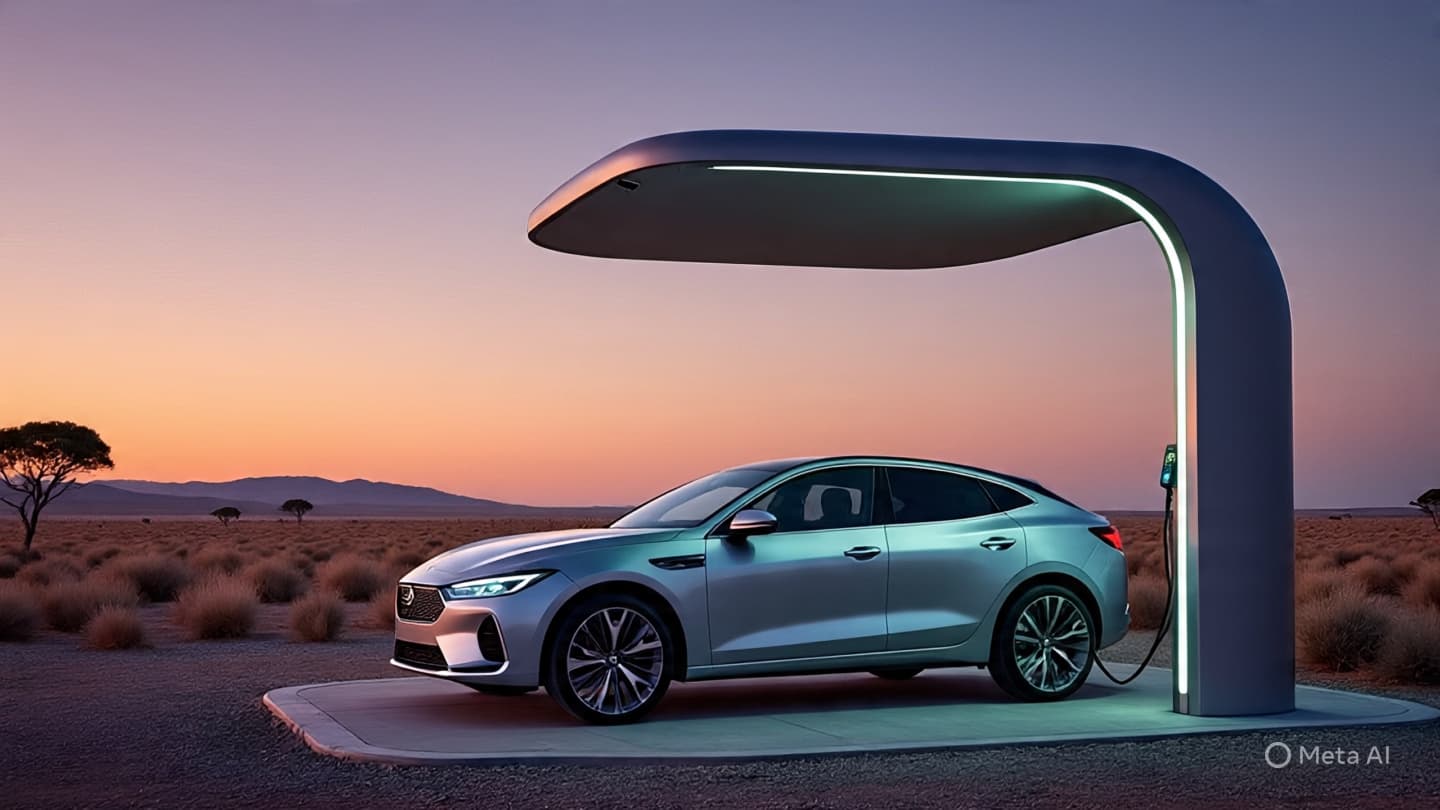
The images provided are AI-generated conceptual art and are not factual photographic records.
Published by Banx Network. This article is part of the Banx decentralized media programme, powered by the BXE token on the XRP Ledger.



