

Key Highlights
- Recent U.S. military strikes against Iranian targets escalate tensions in the Strait of Hormuz.
- The Strait is crucial for global oil and gas supply, impacting economies worldwide.
- Diplomatic efforts are underway to prevent further conflict and ensure maritime safety.
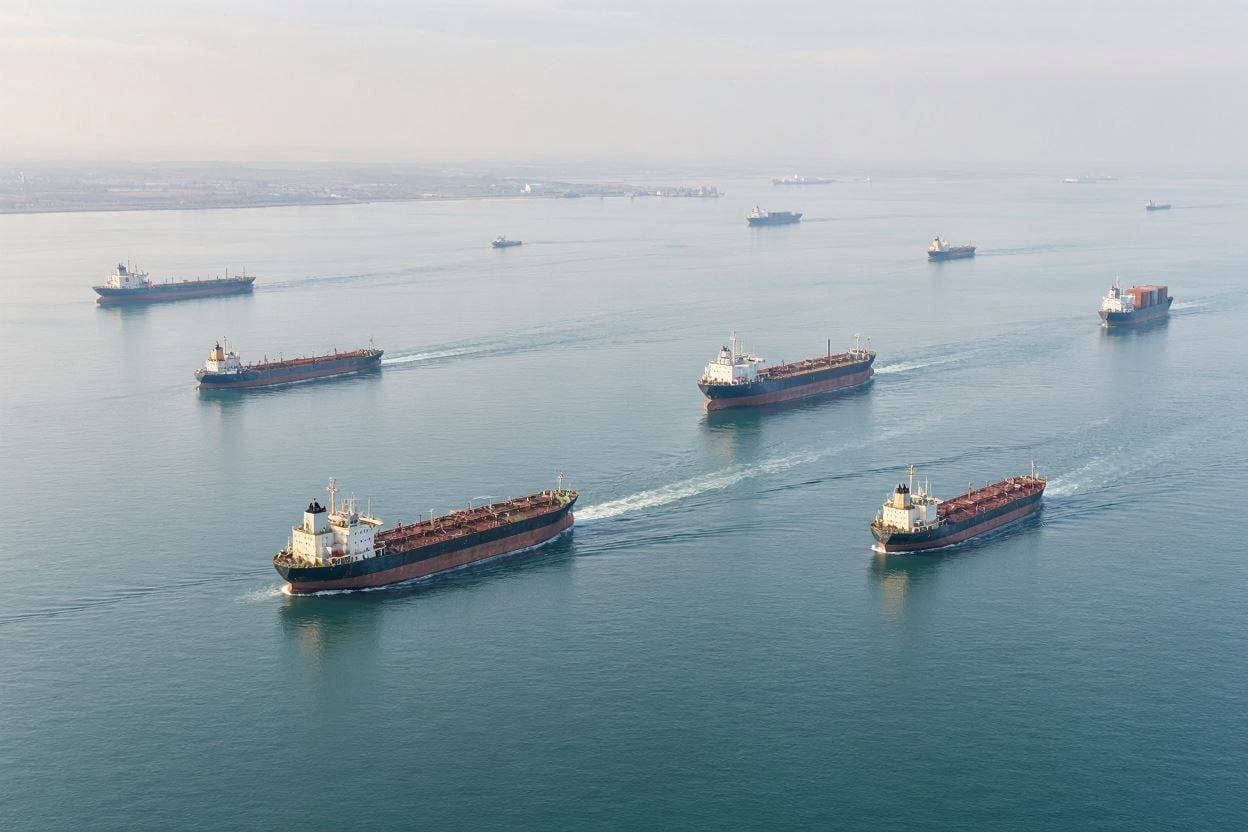
The Strait of Hormuz, a narrow waterway that serves as the jugular vein of global energy trade, has once again become the stage for a tense geopolitical drama. As the United States launches additional strikes against Iranian targets, the world watches with bated breath, aware that every ripple in these waters can send shockwaves through economies and diplomatic relations far beyond the Middle East.
Recent military actions by the United States mark a significant escalation in the ongoing standoff with Iran, particularly following attacks on civilian shipping in Omani territorial waters. These strikes, aimed at degrading Iranian military capabilities near the strait, reflect a strategy of deterrence amid rising tensions. The complexity of the situation is heightened by the strategic importance of the route, through which a substantial portion of the world’s oil and gas supplies pass daily.
The decision to engage in further kinetic action comes after a period of fragile calm, during which diplomatic efforts sought to prevent a broader conflict. However, the targeting of neutral vessels has been viewed as a red line by Washington, prompting a robust response. The precision of these strikes is intended to signal resolve while minimizing collateral damage, though the risk of miscalculation remains a constant concern for international observers.
For the global community, the implications are immediate and tangible. Energy markets have reacted with volatility, as traders anticipate potential disruptions to supply chains. The fear of a prolonged closure of the strait looms large, reminding nations of their vulnerability to regional instability. This economic anxiety adds pressure on diplomats to find a swift resolution to the crisis.
Locally, the populations in the Gulf states face increased uncertainty, with civil defense measures being reinforced. The sound of sirens and the sight of military movements have become part of the daily landscape, altering the sense of normalcy for residents. Despite this, life continues, with communities showing resilience in the face of external pressures.
International reactions have been mixed, with some allies supporting the U.S. stance while others call for restraint and dialogue. The United Nations and other multilateral bodies are working to facilitate communication between the parties, hoping to de-escalate tensions before they spiral out of control. The role of mediation is crucial in preventing a localized conflict from becoming a regional war.
The historical context of U.S.-Iran relations adds layers of complexity to the current events. Decades of mistrust and competing interests have created a backdrop where each action is scrutinized for hidden motives. Understanding this history is essential for grasping why the current standoff is so difficult to resolve through traditional diplomatic channels.
As the situation evolves, the focus remains on preventing further escalation and ensuring the safety of civilian shipping. The international community continues to urge all parties to exercise caution and return to the negotiating table, recognizing that stability in the Strait of Hormuz is vital for global peace and prosperity.
Published by Banx Network. This article is part of the Banx decentralized media programme, powered by the BXE token on the XRP Ledger.




