The majestic, glaciated peaks of the Swiss Alps maintain an enduring, magnetic relationship with the global mountaineering community, drawing thousands of climbers each year to test their technical skills against iconic rock faces and steep snow couloirs. Life along these legendary high-altitude routes moves to a precise, disciplined cadence, governed by the careful study of snowpack stability, weather forecasts, and the strict utilization of specialized safety ropes. To an outside observer, the guided expeditions ascending the pristine ridges appear entirely secure, managed with world-class alpine expertise and real-time radar monitoring. Yet, when a sudden temperature shift or subtle wind-loading pattern alters the internal tension of an upper snowpack layer, a beautiful alpine slope can instantly release a devastating mass of rushing snow and ice.
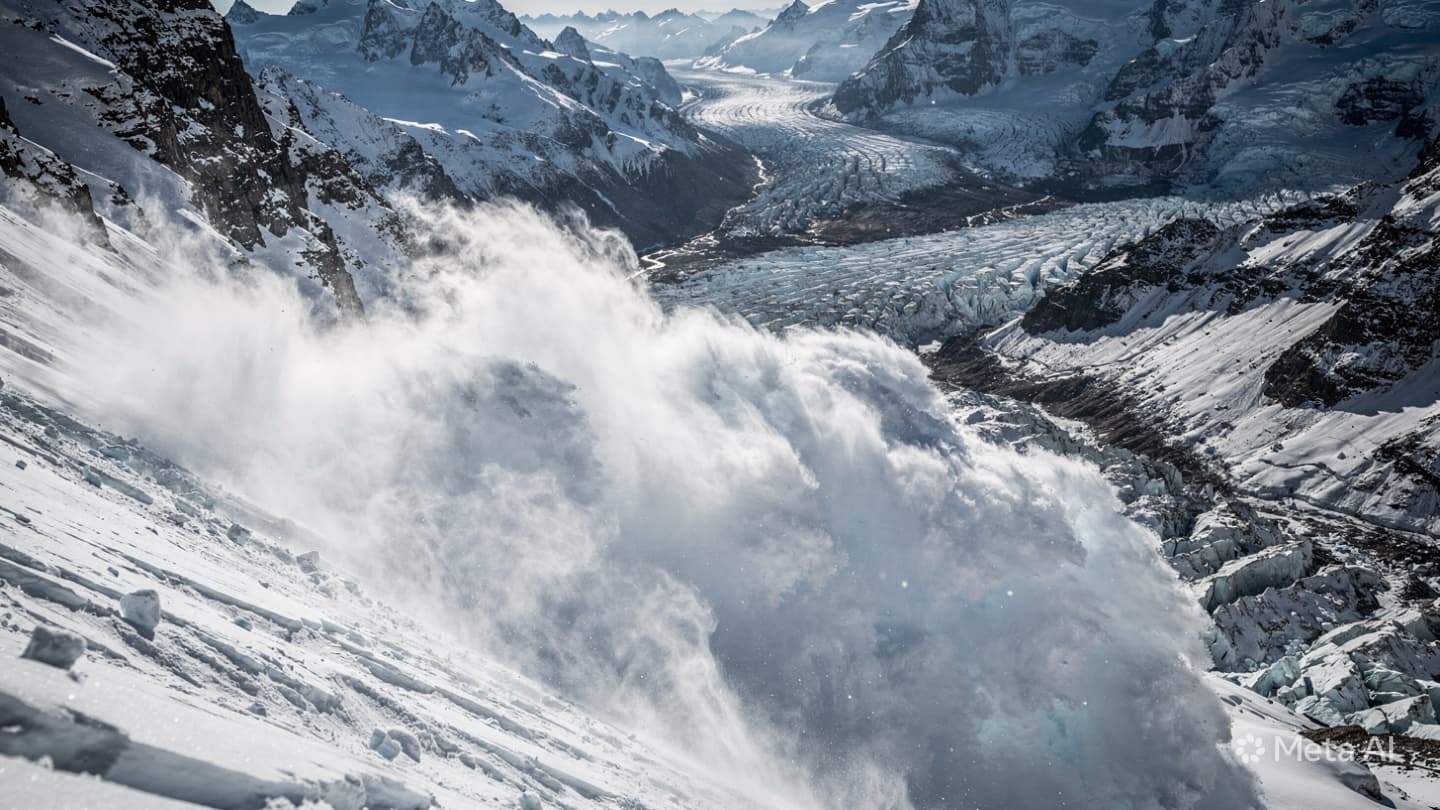
On this particular morning, a technical climbing party was ascending a classic route along the upper massif when an unstable snow slab suffered a catastrophic structural failure, releasing a fast-moving avalanche directly down their line of ascent. The transition for the climbers was instantaneous, transforming a methodical, slow ascent into a scene of acute physical peril as hundreds of tons of compacted snow rushed toward them without warning. There is a deep, foundational reliance on technical gear and snow anchors when navigating high-altitude slopes, built on the assumption that proper route selection will bypass unstable layers. Yet, the sudden release of an alpine avalanche alters the environment completely, stripping away all footings and dragging climbers down the steep mountain face.
The transition from an exhilarating high-altitude trek to a critical mountain rescue operation occurs when the moving wall of snow sweeps over the team, snapping safety lines and burying individuals beneath a heavy, concrete-like mass of debris. As the avalanche settles in the basin below, the trapped climbers face immediate asphyxiation and severe trauma from the force of the descent. In the complete isolation of an upper glacier, the dense snow packs tightly around the victims, restricting all movement and dropping body temperatures rapidly. For anyone completely buried without an active avalanche beacon or immediate probe contact from surviving teammates, the minutes that follow the slide introduce a critical race against time where every second matters.
When the alpine air rescue helicopters and specialized avalanche canine units finally cleared the cloud cover and arrived at the debris field, the mixed outcome of the rescue operation was confirmed. The extraction of two surviving climbers who had been partially buried brought a moment of profound relief, but the discovery of a third team member who had sustained fatal trauma cast a heavy sorrow over the entire mountaineering station. The surrounding peaks, their white faces gleaming silently under the bright mountain sun, stood as a solemn witness to the raw power of the mountain. The high valley grew quiet, save for the constant thump of helicopter rotors and the hushed tones of rescue coordinators.
The loss of life within a classic alpine corridor carries a unique weight, representing a sudden, tragic reminder of the immutable hazards that exist within high-altitude environments, regardless of a climber's experience level. The route was chosen to experience the pure challenge of the high peaks, rather than serving as a place of sudden physical trauma. It forces an unspoken reflection on the limitations of modern mountaineering equipment when local snowpack dynamics shift beyond predictable safety thresholds. The surviving members of the climbing community gathered at the alpine refuge base, looking up at the scarred ridge with a quiet sense of sobriety and shared grief.
By evening, cantonal police authorities and mountain safety experts had established an investigation post at the regional heliport, their technical equipment introducing a methodical focus to the tragedy. The task of analyzing the fracture line, documenting the rescue sequence, and evaluating the current avalanche risk level for adjacent peaks was handled with necessary precision. Yet, despite the clinical efficiency of the rescue teams, the emotional residue of the incident lingers deep within the alpine community. For the investigation teams, the event is a matter of slope angles and layer density variables, but for the families of the climbers, it is an irreplaceable loss.
The technical investigations that follow such alpine disasters are meticulous, examining the precise structure of the snow layers, the timing of recent wind events, and the exact path of the slide. It is a necessary ritual of modern mountain safety management, translating a high-altitude crisis into updated safety bulletins meant to protect future expeditions. The calibration of regional avalanche warning levels, the refinement of satellite-based snowpack scanning, and the training protocols for backcountry guides will all be thoroughly re-evaluated. But for the local mountain guides, the technical updates offer no immediate solace for the companion lost on the upper ridges.
Eventually, fresh snow will cover the fracture line, the rescue tracks will be erased by the wind, and mountaineers will return to the high peaks with the arrival of the next clear weather window. The mountain huts will fill with conversation once more, climbers will lace their boots for the next challenge, and the memory of the sudden slide will slowly blend into the vast history of the Alps. But for a long while, the silent, scarred patch of blue ice on the upper slope will stand as a somber monument to the unpredictable intersections of human exploration and the unyielding power of the mountain. It remains a stark reminder that the high peaks retain an ultimate authority over those who climb them.
Swissinfo Rescue Operations confirmed that an alpine avalanche struck a party of climbers in Switzerland on June 13, 2026, leaving one individual dead and two others rescued. Cantonal police reported that a large slab avalanche was triggered near an upper ridge, sweeping three mountaineers down a steep snow field. Air rescue services deployed three helicopters equipped with thermal imaging and avalanche search dogs, successfully locating and extracting two climbers who were transported to a regional hospital with minor injuries. The third climber was pronounced dead at the scene due to fatal trauma sustained during the fall. The Alpine Safety Club has raised the avalanche warning to level four for the surrounding massif.
Published by Banx Network. This article is part of the Banx decentralized media programme, powered by the BXE token on the XRP Ledger.