
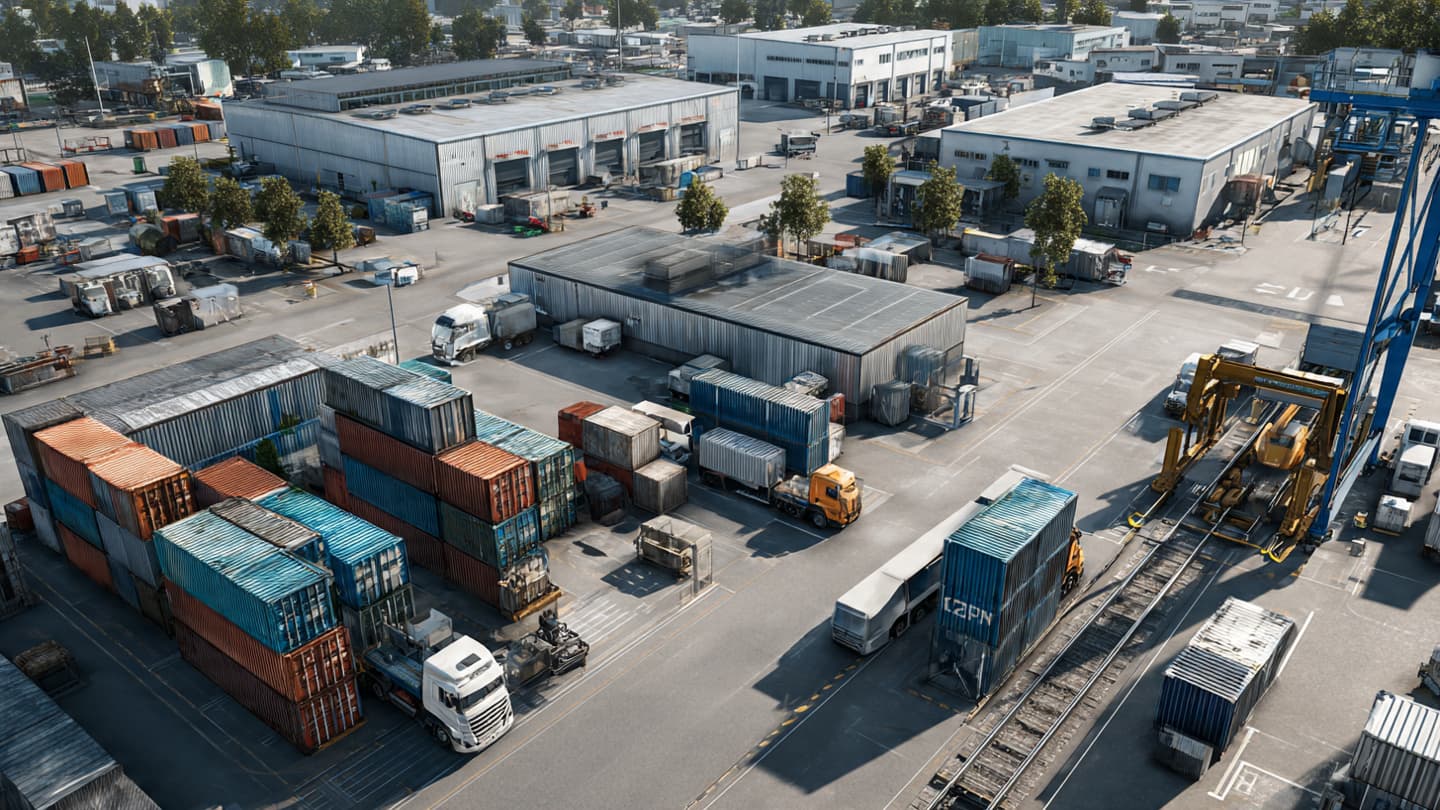
Global trade depends upon countless connections that often go unnoticed. Cargo ships cross oceans, trains move goods across continents, and warehouses coordinate the flow of products from producers to consumers. When these networks function efficiently, commerce feels effortless. When disruptions occur, the consequences can ripple across industries and economies. Recent indicators suggest that global supply chain conditions are gradually stabilizing, creating a more favorable outlook for international trade.
Businesses around the world have spent recent years adapting to unpredictable logistics conditions. Delays, transportation bottlenecks, and shifting demand patterns required companies to rethink traditional approaches to inventory management and sourcing strategies. Those experiences have reshaped the way many organizations approach risk.
Improved supply chain performance has brought welcome relief. More predictable shipping schedules and improved logistics efficiency allow businesses to plan operations with greater confidence. Reduced uncertainty can support investment decisions and encourage economic activity.
Manufacturers are among the primary beneficiaries. Reliable access to components and raw materials helps maintain production schedules while reducing operational disruptions. Consistency often becomes a competitive advantage in global markets.
Retailers also benefit from improved logistics. Better visibility across supply networks helps companies manage inventory more effectively, reducing shortages and improving customer satisfaction. These gains contribute to stronger overall business performance.
Economists frequently view supply chains as indicators of broader economic health. Efficient logistics support productivity, facilitate trade, and enhance economic resilience. Improvements in these systems can therefore influence growth prospects across multiple regions.
International trade remains deeply interconnected. Developments in one part of the world often affect production and consumption elsewhere. As supply chain stability improves, businesses may find it easier to expand operations and pursue new opportunities.
Despite the positive trend, experts emphasize the importance of continued vigilance. Global trade networks remain vulnerable to unexpected events, including natural disasters, geopolitical developments, and shifts in market demand. Resilience remains an important objective for businesses and governments alike.
Companies continue investing in technology, diversification, and risk management strategies designed to strengthen supply chains. These efforts complement broader improvements and help create more adaptable systems capable of responding to future challenges.
For now, the outlook appears increasingly constructive. As trade routes become more predictable and logistics conditions improve, businesses gain valuable opportunities to focus on growth rather than disruption. The result is a more stable environment that supports commerce, investment, and economic progress across the global economy.
AI IMAGE DISCLAIMER Visuals are created with AI tools and are not real photographs.
SOURCE CHECK Reuters Bloomberg Financial Times World Trade Organization S&P Global
Published by Banx Network. This article is part of the Banx decentralized media programme, powered by the BXE token on the XRP Ledger.


