Water, when it arrives in abundance, has a way of reminding cities that their paved streets and engineered channels are, in the end, only temporary arrangements. The earth remembers its original contours. The mountains remember where the water once flowed. And when the rain comes harder than the systems were built to bear, the city is returned, briefly, to the forces that shaped it.
Santiago, Chile, learned this lesson anew this week. Heavy rains drenched the capital and surrounding regions, triggering mudslides that swept cars through streets, flooded homes, and forced residents to evacuate . President José Antonio Kast declared a state of emergency for Las Condes, a wealthy suburb east of the city, as torrential rains turned key roads into impassable waterways .
The numbers tell a story of extraordinary intensity. Las Condes received 14.4 centimeters of rain in recent days—approximately nine times the average October rainfall—leaving the district, in the words of its mayor, "totally saturated" . A central weather station near Santiago recorded more than 60 millimeters in four days . Meteorologists noted that Santiago experienced its rainiest October in 76 years, with 74 millimeters falling in the first seven days alone .
The Mapocho River, which runs through Santiago, overflowed, prompting evacuation orders . Chile's disaster-response agency placed ten other districts on high alert for additional landslides and ordered schools to close Friday . Firefighters reported rescuing or evacuating more than 1,000 people . At least six people were injured, including a one-year-old child with broken bones .
The imagery that emerged from Las Condes was striking in its power. Videos shared online showed dark floodwater rapidly flowing down General Blanche, one of the area's main roads. In one clip, people could be seen clinging to the open escape hatch on the roof of a red public bus as it was swept away . Other footage showed dozens of vehicles buried in mud and debris, their windows shattered, their frames twisted .
Authorities pointed to a convergence of factors. The presidential delegate for the Santiago Metropolitan Region noted that the obstruction of two drainage channels may have contributed to the torrent . He also linked the severity of the flooding to a wildfire that swept through the area last summer, which stripped away the vegetation that had held the hillside soil in place . When rain fell on the denuded slopes, there was nothing to slow its descent.
The floods arrive as a powerful El Niño pattern gains strength. The naturally recurring warming of tropical Pacific waters scrambles rainfall patterns worldwide and often brings wetter springs to the Southern Hemisphere . The World Meteorological Organization reported Thursday that this year's El Niño was expected to peak in December and could rank among the most intense since at least 1950 .
The rains were expected to ease Friday, but the work of recovery was only beginning. Mud covered streets and homes. Schools remained closed. The Chilean Army deployed specialist vehicles and personnel to assist with cleanup and rescue efforts .
What the people of Santiago witnessed this week was, in some measure, a reminder of what the land beneath their city has always known: that water finds its way, that mountains shed what they cannot hold, and that the arrangements humans make with nature are always, in the end, provisional.
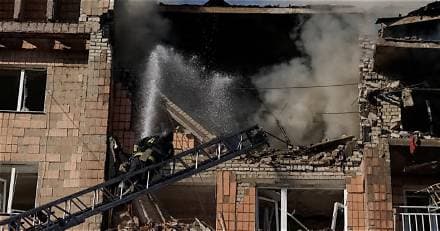
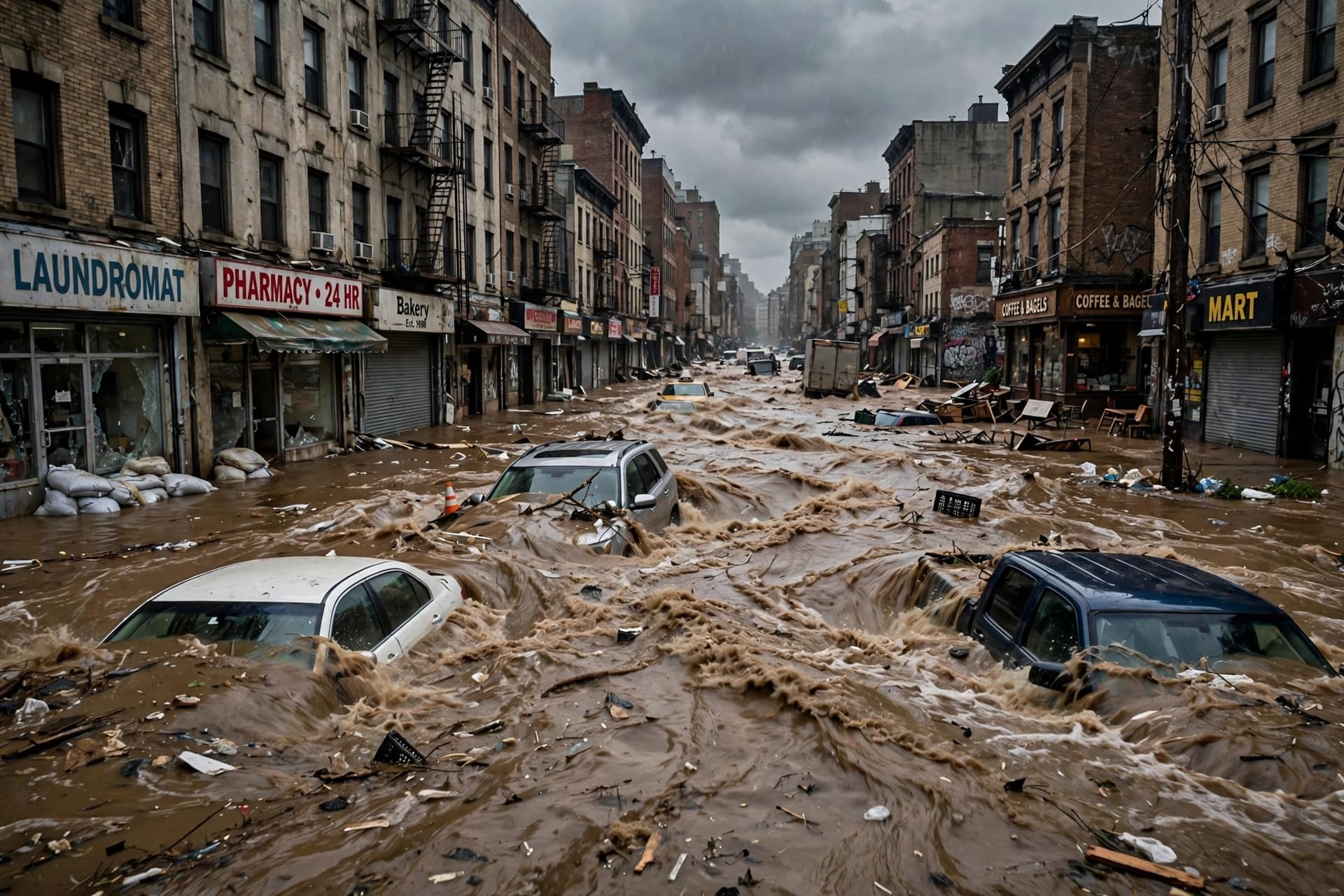
AI Image Disclaimer: The visual elements accompanying this article were created using artificial intelligence tools for illustrative purposes.
Sources: Associated Press, Australian Broadcasting Corporation
Published by Banx Network. This article is part of the Banx decentralized media programme, powered by the BXE token on the XRP Ledger.