
Key Highlights
- Global Concern:Experts warn of increasing freshwater scarcity.
- Climate Impact:Droughts and extreme weather affect water availability.
- Technological Solutions:Innovations help improve water management.
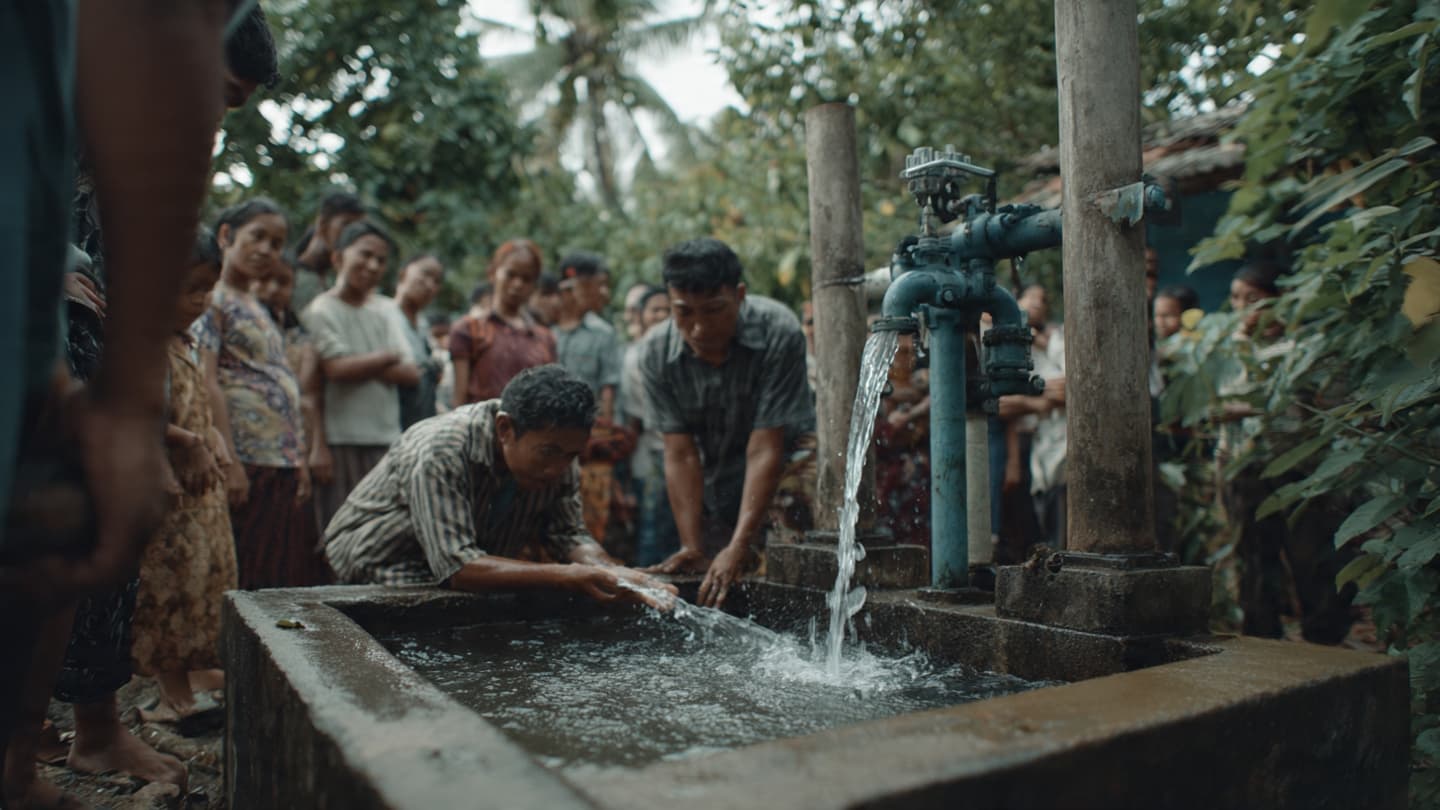
Freshwater resources, often taken for granted, are facing unprecedented challenges as global demand rises and climate change intensifies. While water flows abundantly in many regions, experts from various United Nations agencies are sounding alarms about the sustainability of these vital resources. Recent assessments indicate that population growth, urbanization, and shifting consumption patterns are placing immense pressure on freshwater supplies worldwide.
Agriculture, industry, and households all rely heavily on consistent access to clean water. Agriculture, for instance, depends on reliable irrigation systems to sustain crop production, while industries require water for manufacturing processes. Households need safe water for drinking, sanitation, and hygiene. Disruptions in water availability can lead to cascading effects across these sectors, highlighting the interconnectedness of water security with overall societal stability.
Climate change is a significant factor exacerbating water scarcity. Altered rainfall patterns, prolonged droughts, and extreme weather events are reshaping water availability and distribution. Some regions are grappling with severe shortages, while others face flooding that complicates resource management. The variability in climate impacts means that solutions must be tailored to local conditions, requiring a nuanced understanding of both environmental and human factors.
Moreover, water scarcity does not always equate to a complete lack of water. In many instances, issues such as outdated infrastructure, pollution, and inefficient usage contribute to local water challenges. Urban areas, in particular, are under pressure as populations swell, necessitating robust water systems that can meet the needs of millions while remaining resilient to environmental changes.
Technological innovation presents a beacon of hope in addressing these challenges. Advances in water recycling, smart irrigation technologies, and improved monitoring systems are helping communities utilize their water resources more efficiently. These innovations not only enhance water management but also promote sustainability, ensuring that water remains available for future generations.
International cooperation is essential in managing shared water resources. Many rivers, lakes, and aquifers cross national borders, making collaborative management crucial for balancing competing needs and ensuring long-term stability. Countries must work together to develop frameworks that promote equitable access and sustainable practices.
Finally, the health of ecosystems is intrinsically linked to water security. Protecting forests, wetlands, and watersheds is vital for natural filtration and groundwater replenishment. Conservation efforts can bolster both ecological integrity and human needs, emphasizing the importance of a holistic approach to water management.
As experts continue to advocate for proactive planning and sustainable resource management, the growing freshwater challenge serves as a stark reminder of the need for careful stewardship of one of humanity’s most essential resources. Without concerted efforts to address these issues, future generations may face significant challenges in securing their water needs.
Published by Banx Network. This article is part of the Banx decentralized media programme, powered by the BXE token on the XRP Ledger.



