
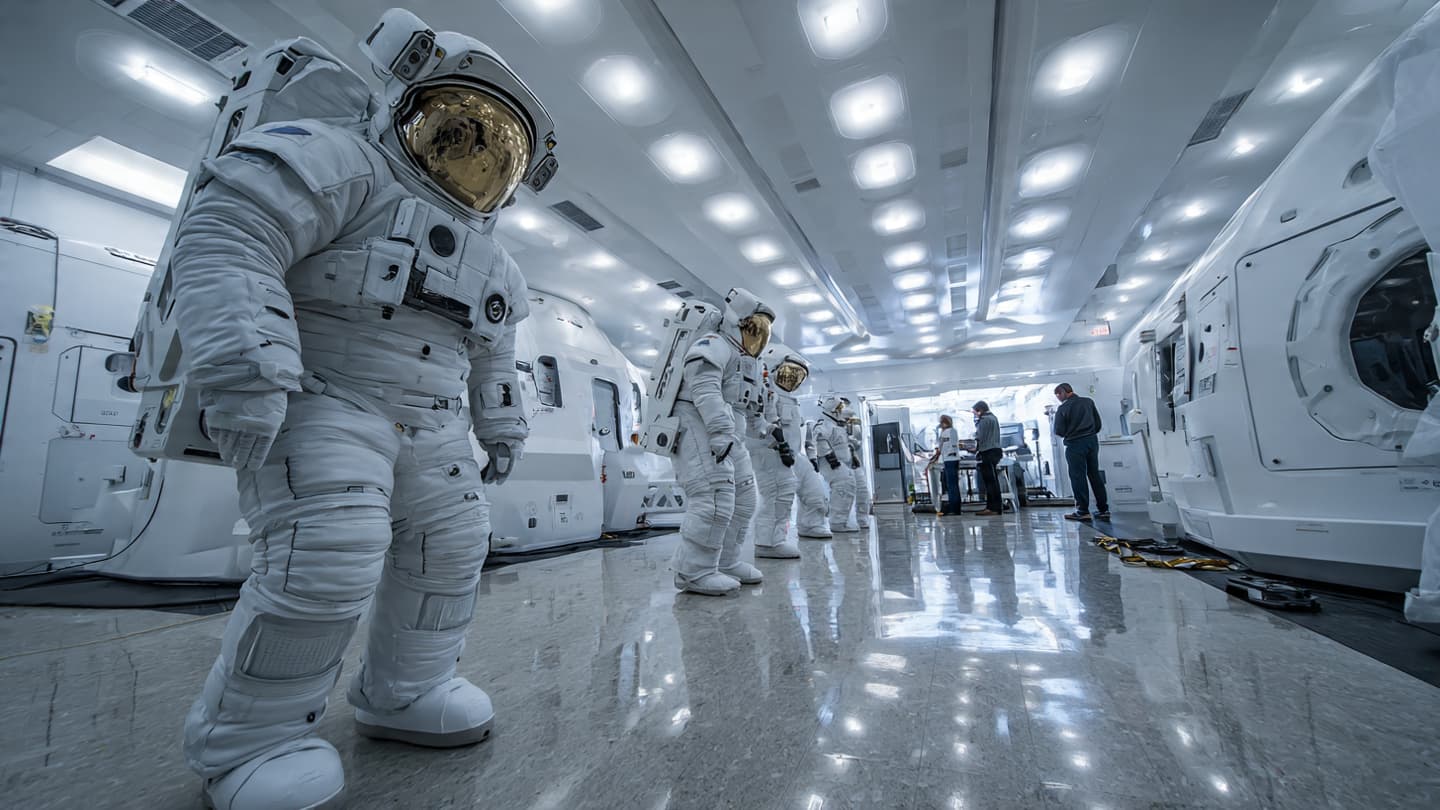
Human exploration often advances through careful preparation rather than sudden leaps. Before footprints appear on distant landscapes, years of training, evaluation, and planning quietly unfold behind the scenes. As interest grows around future lunar missions, attention has turned toward the astronauts who may eventually form part of the next Artemis crew.
NASA's Artemis program represents the agency's effort to return humans to the Moon while establishing foundations for deeper exploration. The initiative aims to expand scientific knowledge, test new technologies, and prepare for future missions beyond lunar orbit.
Speculation surrounding potential crew selections has naturally attracted public attention. Astronaut candidates are evaluated through a combination of operational experience, technical expertise, mission requirements, and training performance. Final decisions involve numerous factors and often remain confidential until official announcements are made.
The current astronaut corps includes individuals from diverse professional backgrounds. Military pilots, engineers, scientists, physicians, and experienced space travelers contribute different skills that may prove valuable during complex exploration missions.
Lunar expeditions require expertise extending far beyond spacecraft operations. Crews may conduct scientific investigations, manage advanced systems, perform spacewalks, and respond to unexpected challenges in remote environments. As a result, selection processes emphasize adaptability alongside technical competence.
NASA has also placed significant importance on teamwork. Space missions involve extensive collaboration among astronauts, mission controllers, engineers, researchers, and international partners. Successful crews must function effectively within this broader network.
Public fascination with astronaut selection reflects something deeper than curiosity about individual names. Each crew represents a connection between scientific ambition and human experience, transforming large-scale exploration goals into personal stories of dedication and achievement.
As preparations continue, potential crew members remain engaged in training programs designed to support future lunar operations. These activities help ensure readiness regardless of when final assignments are announced.
NASA has not formally confirmed future Artemis crew compositions beyond previously announced missions. However, ongoing preparation within the astronaut corps ensures that qualified candidates remain ready as the next phase of lunar exploration approaches.
AI Image Disclaimer: This article features an AI-generated illustration intended to visualize themes related to astronaut training and lunar exploration.
Source Verification Check: NASA NASA Artemis Program Space.com Reuters The Associated Press
Published by Banx Network. This article is part of the Banx decentralized media programme, powered by the BXE token on the XRP Ledger.



