For generations, the Moon has been our silent companion, a symbol of permanence and stillness in the night sky. We looked up and saw a face unchanged by wind or rain, assuming its geological heart had stopped beating billions of years ago. However, new research from Smithsonian scientists in early 2026 shatters this illusion of stasis. By mapping the lunar surface with unprecedented precision, they have identified over a thousand previously unknown tectonic ridges. The Moon, it turns out, is not dead; it is shrinking, cracking, and shaking, alive with subtle but significant geological activity.
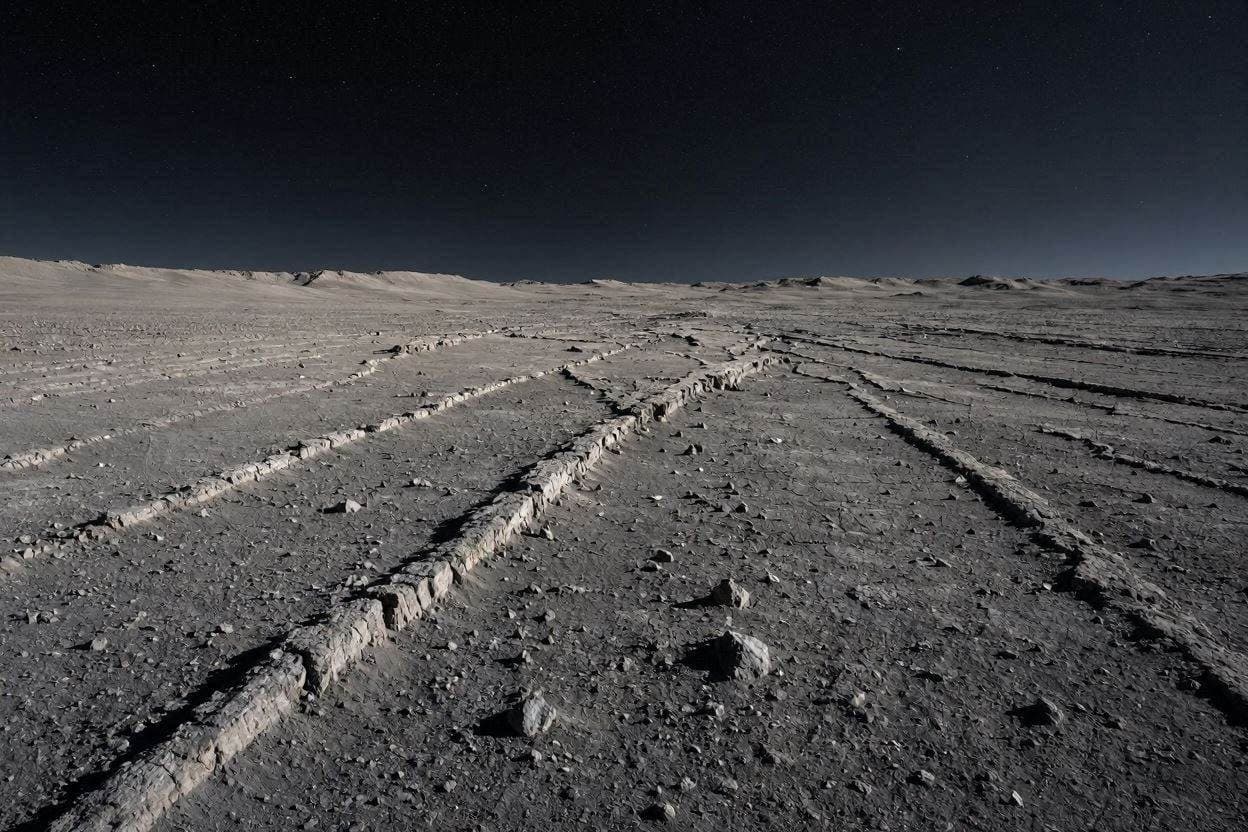
Body: These tectonic ridges, known as lobate scarps, are formed as the Moon’s interior cools and contracts. Just as a grape shrivels into a raisin, the Moon’s crust buckles under the stress of this shrinkage, creating thrust faults that push one section of the crust over another. The discovery of so many new features suggests that this process is more widespread and active than previously thought. It indicates that the Moon is still losing heat from its formation, driving ongoing deformation.
The implications for lunar seismology are profound. If the crust is actively moving, it generates moonquakes. While these tremors are generally mild compared to earthquakes, they pose a real risk to future infrastructure. Lunar bases, habitats, and equipment must be designed to withstand these periodic shakes. Understanding the location and frequency of these faults is therefore critical for the safety of upcoming Artemis missions and long-term colonization efforts.
The mapping effort utilized advanced orbital data, combining high-resolution imagery with topographic measurements. This allowed scientists to detect subtle changes in elevation that had escaped earlier surveys. The sheer number of newly identified ridges—over a thousand—highlights how much remains to be learned about our nearest neighbor. It serves as a reminder that even the most familiar objects can hold deep secrets.
This activity also provides clues about the Moon’s thermal evolution. The rate of shrinkage helps constrain models of its internal structure and composition. By studying how the Moon cools, scientists can better understand the thermal histories of other rocky bodies in the solar system. It connects the Moon’s present-day behavior to its violent origins and long-term fate.
For astronauts who will soon walk on the lunar surface again, this knowledge is practical. Avoiding active fault lines will be a key consideration in site selection. The new maps provide a guide to safer zones, reducing the risk of structural damage from moonquakes. It transforms geological theory into engineering necessity, bridging the gap between science and exploration.
The discovery also reignites interest in lunar geology as a dynamic field. No longer is the Moon seen merely as a museum of ancient impacts. It is a evolving world, subject to forces that continue to shape its face. This perspective invites a deeper appreciation for the complexity of planetary bodies, regardless of their size.
Closing: The Moon is not the static orb we once believed. It is a shrinking, cracking world, still responding to the cooling of its core. As we prepare to return, we do so with a new respect for its vitality. The silence of the Moon is not emptiness, but a quiet hum of geological life.
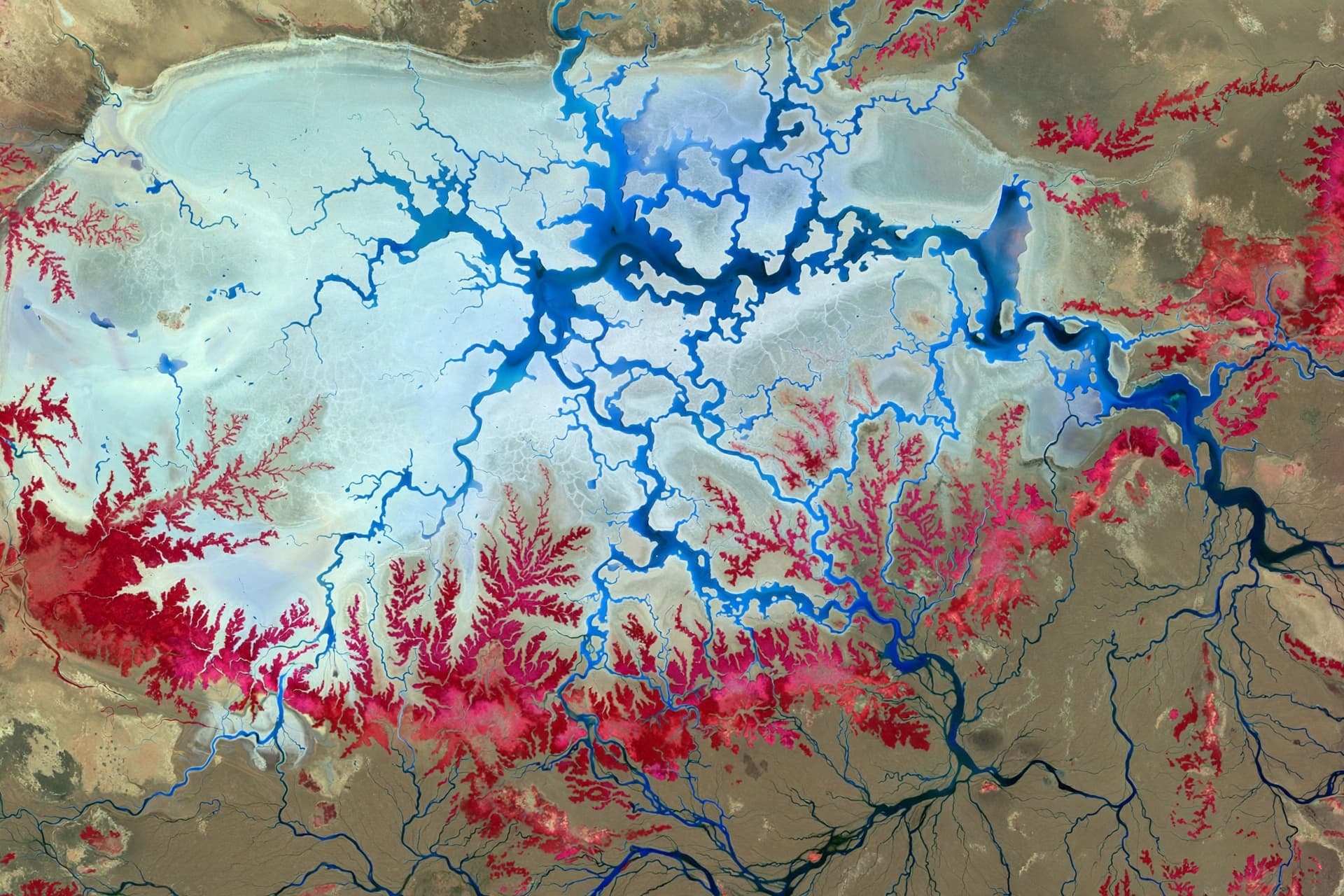
AI Image Disclaimer: Images included here are AI-generated conceptual illustrations of lunar surfaces and tectonic features, designed to visualize the scientific findings without depicting specific real-world mission footage.
Sources: Smithsonian Institution Nature Geoscience NASA Scientific Visualization Studio The Washington Post
Published by Banx Network. This article is part of the Banx decentralized media programme, powered by the BXE token on the XRP Ledger.