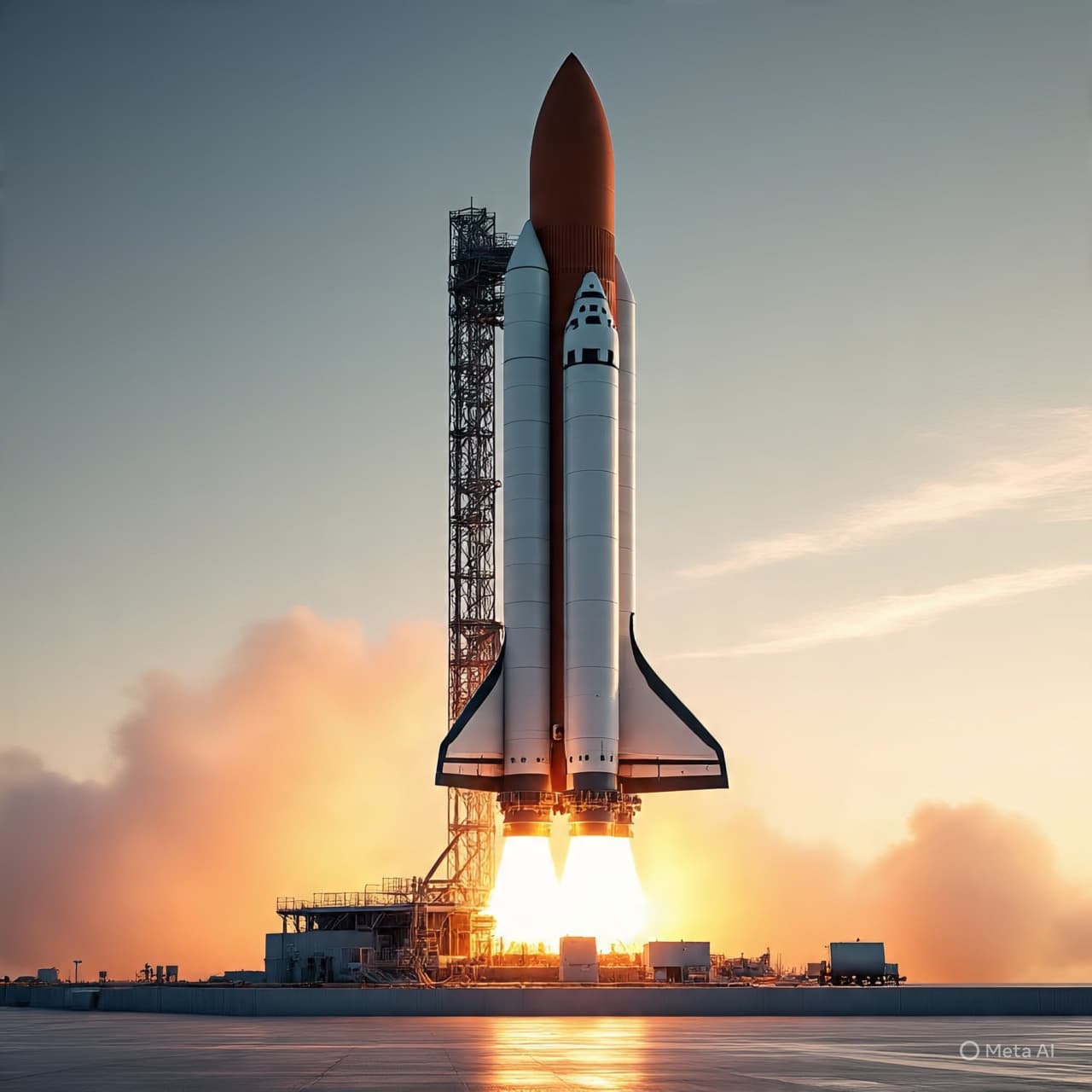
The night sky has always taught humanity a simple lesson: not everything moves at our pace. The Moon rises when it will. The stars drift without urgency. And in that vast theater above us, timing is less about speed than about harmony. For , the journey back to lunar orbit under the banner of carries both ambition and responsibility. Now, once again, the launch date has been moved — a quiet recalibration in a mission defined by precision.
Delays in space exploration are rarely dramatic in tone, even if they feel weighty in anticipation. Artemis II, intended to send astronauts on a sweeping voyage around the Moon, represents the first crewed mission of the broader . It follows the uncrewed success of Artemis I, which tested critical systems in deep space. The second chapter, however, involves human lives — and that reality reshapes every decision.
The mission will rely on the towering , a vehicle built to carry both history and hope beyond Earth’s atmosphere. Engineers have been reviewing technical components tied to the rocket and associated systems, leading to a revised timeline. While specific technical matters have drawn attention in recent reporting, the broader theme remains one of thoroughness rather than urgency.
There is a certain humility embedded in such decisions. Spaceflight is unforgiving of shortcuts. A minor discrepancy on the ground can become a major concern in orbit. The Artemis II crew is training for a mission that will test life-support systems, navigation protocols, and deep-space operations in preparation for future lunar landings. Ensuring each element functions as designed is not merely procedural — it is foundational.
The Artemis program itself is envisioned as more than a return visit. It aims to establish sustained exploration, deepen international partnerships, and lay groundwork for eventual missions to Mars. Artemis II plays a pivotal role in that arc. Its success would mark the first time astronauts have traveled beyond low Earth orbit since the Apollo era.
Yet exploration has never followed a straight line. The Apollo missions were shaped by adjustments, refinements, and occasional postponements. The modern era of spaceflight, with its complex supply chains and advanced systems, is no less intricate. If anything, it demands even greater vigilance.
Public anticipation remains strong. The symbolism of returning humans to lunar orbit resonates across generations. But NASA’s posture has been clear: safety precedes schedule. Each revised launch window reflects continued testing, analysis, and validation.
In practical terms, NASA has adjusted the projected launch date for Artemis II to allow engineers additional time to resolve outstanding technical matters and complete system checks. The agency continues preparations for a future launch window, reaffirming that astronaut safety and mission readiness guide all timeline decisions.
The Moon remains where it has always been — steady, patient, luminous. Artemis II will follow when the moment is right.
AI Image Disclaimer Images in this article are AI-generated illustrations, meant for concept only.
Sources Reuters Associated Press CNN Space.com The New York Times
Published by Banx Network. This article is part of the Banx decentralized media programme, powered by the BXE token on the XRP Ledger.