
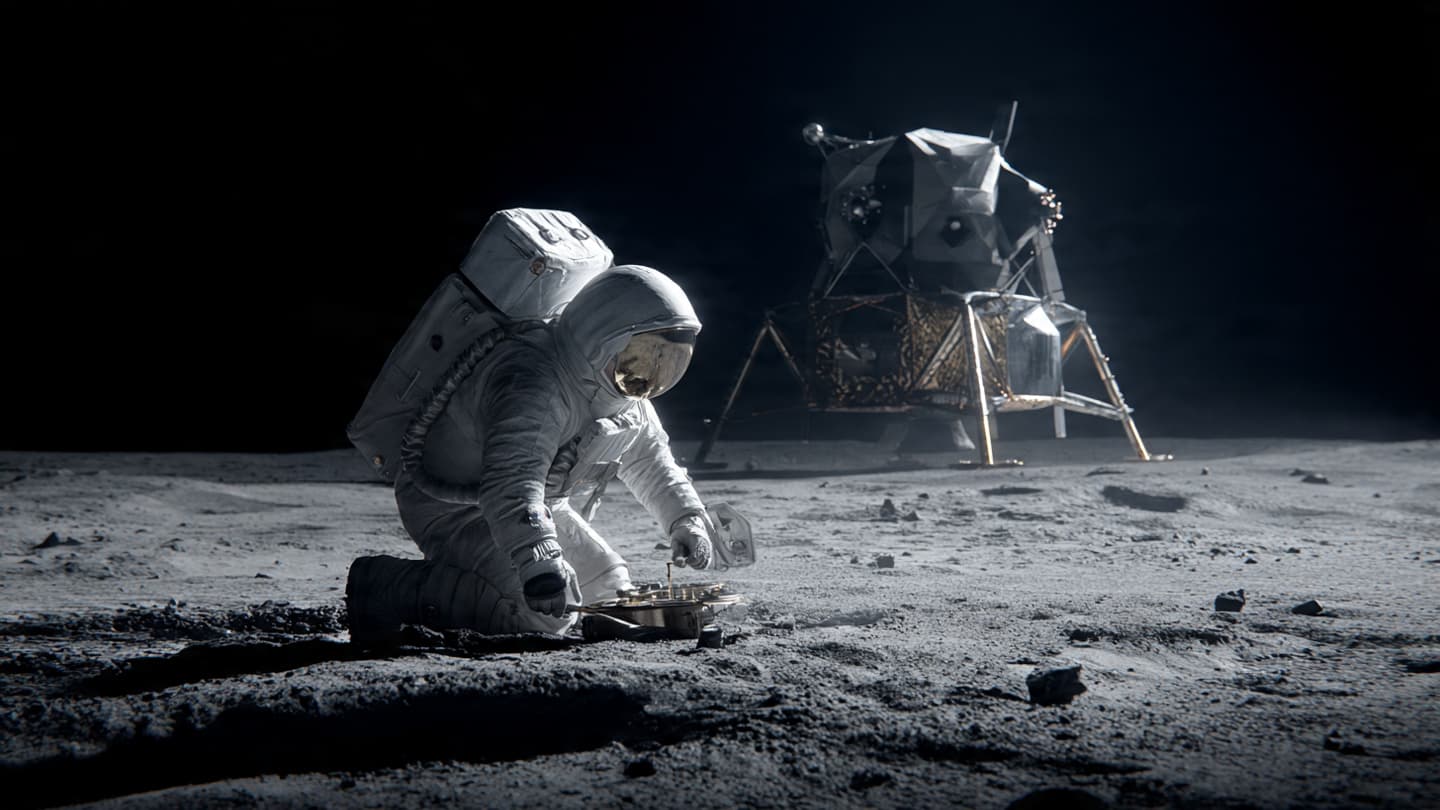
For generations, the Moon has occupied a special place in human imagination. It has inspired stories, guided explorers, and served as a symbol of curiosity that reaches beyond familiar horizons. Today, that curiosity continues to shape the future of space exploration as NASA prepares for one of its most anticipated missions.
NASA has announced the crew selected for the Artemis III mission, a program designed to return astronauts to the lunar surface for the first time since the Apollo era. The mission represents a major milestone in the agency's long-term plans for deep-space exploration.
Artemis III is expected to build upon earlier missions that tested spacecraft systems, operational procedures, and technologies needed for sustained lunar exploration. The mission is viewed as a critical step toward future human exploration beyond the Moon.
The selected astronauts bring diverse backgrounds in aviation, engineering, military service, and scientific research. Their training will involve extensive preparation for both the journey and operations on the lunar surface.
NASA officials describe Artemis as more than a single mission. The broader program aims to establish a sustainable human presence near and on the Moon while supporting future ambitions related to Mars exploration.
International cooperation also plays a significant role. Multiple partner agencies and private-sector companies contribute technologies, infrastructure, and expertise to support the mission's objectives.
Researchers anticipate that Artemis III will provide new opportunities for scientific investigation. Lunar geology, resource studies, and environmental monitoring remain important areas of interest.
The mission has captured public attention because it represents a return to a destination that has not hosted human visitors for decades. Advances in technology have transformed the tools available to modern explorers.
As preparations continue, the announcement of the Artemis III crew marks another important chapter in humanity's ongoing relationship with space exploration. The journey ahead reflects both scientific ambition and the enduring desire to explore beyond Earth.
AI Image Disclaimer: Illustrations accompanying this article are AI-generated visual representations and do not depict actual mission imagery.
Sources (Verification Check): NASA, Live Science, Space.com, Reuters, Associated Press
Published by Banx Network. This article is part of the Banx decentralized media programme, powered by the BXE token on the XRP Ledger.



