The Korean Peninsula is a geography where news can be measured in meters per second. Early reports from Seoul say North Korea fired a ballistic missile toward its eastern waters — a familiar pattern, but each repetition lands with new context.
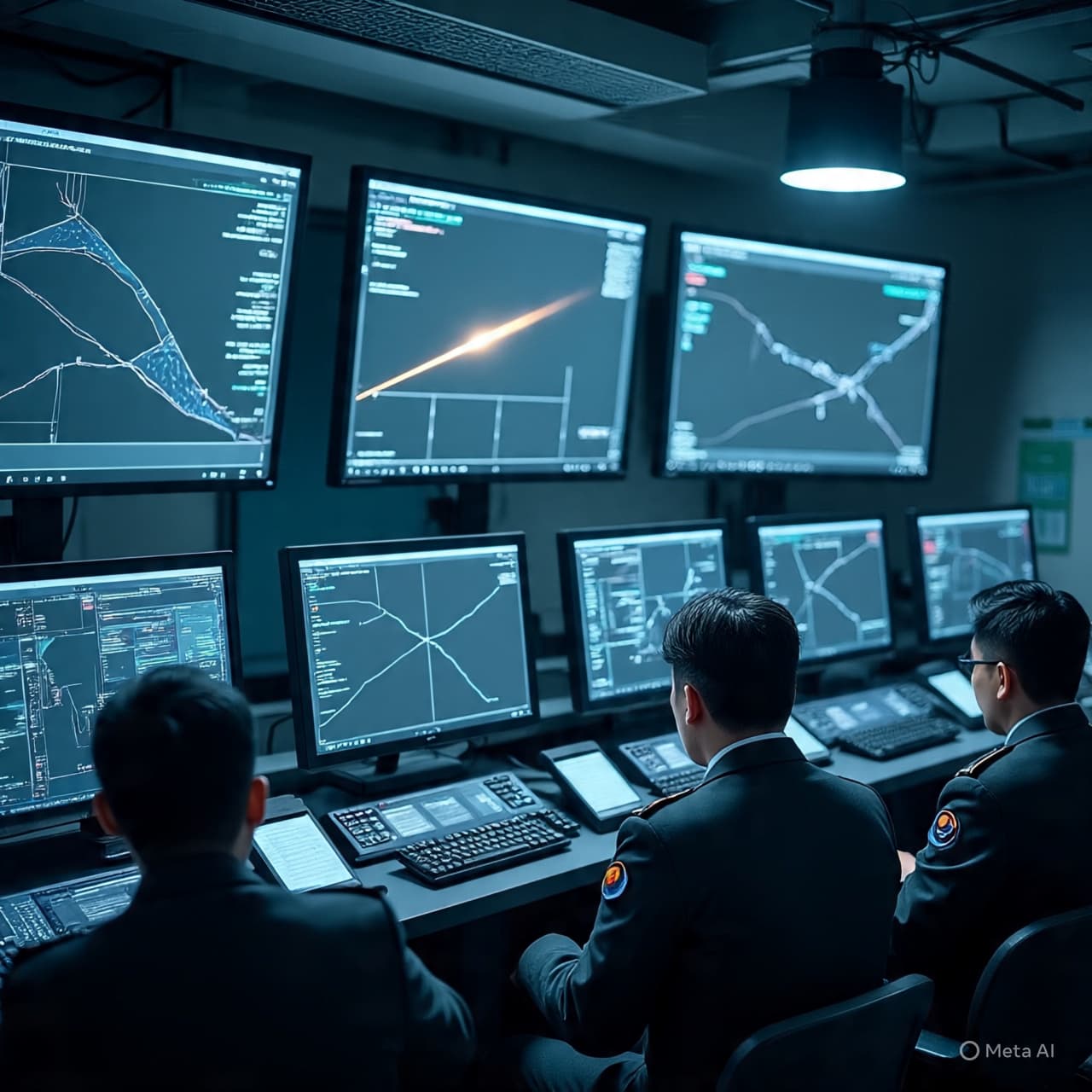
These launches are not random tantrums. They are part of Pyongyang’s long-running thesis that deterrence is best expressed in flight trajectories, not communiqués. And South Korea understands this. Every detection alert, every tracking radar ping, is not just technical process — it is political punctuation.
North Korea fires. South Korea reports. The world takes note. And yet nothing “settles.” The armistice remains an armistice. The war is still not formally closed. The decades continue to stack.
For Washington and Tokyo, this is another diagnostic datapoint — evidence that North Korea is not in a de-escalatory season. For Seoul, it is also a reminder of proximity: the border is a short drive from its capital’s skyscrapers, and threat is not an abstract academic subject here — it is a lived condition.
And the missile, launched east, will likely join the growing ledger of “tests” — each one a quiet negotiation with physics, each one a negotiator with silence.
The real narrative beneath all this is durability. The Korean Peninsula has proven that tension can last longer than most nations’ life cycles. It has proven that stalemate can become the weather.
So when South Korea announces another missile launch — what the world hears is not just a technical notice. It hears the long war breathing again.
Published by Banx Network. This article is part of the Banx decentralized media programme, powered by the BXE token on the XRP Ledger.