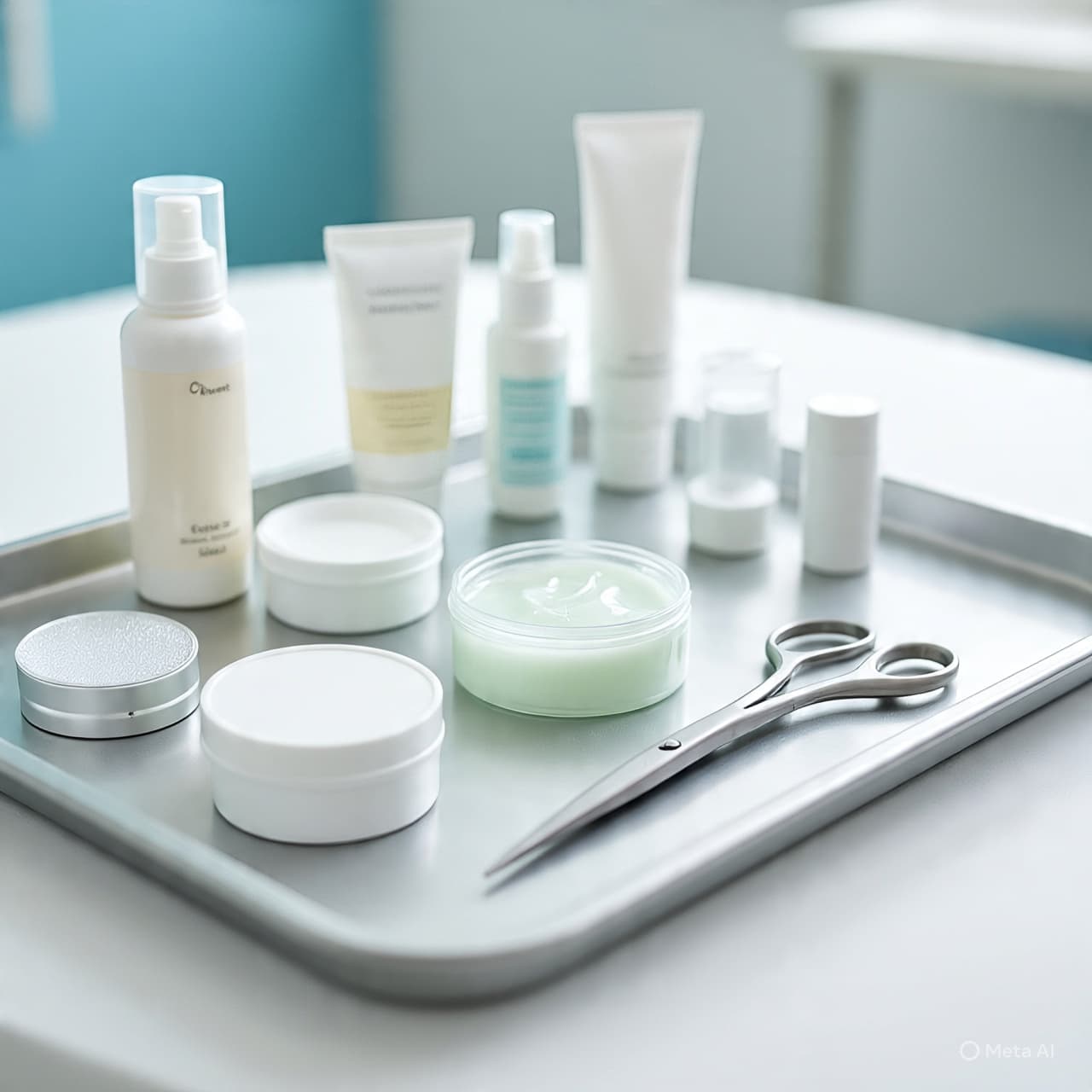
There was a time when cosmetic procedures lived in whispers — discreet appointments, quiet recoveries, and conversations carefully folded into privacy. Today, the language around beauty feels different. It moves across social media feeds in open daylight, framed not as secrecy but as self-care. Among Gen Z, cosmetic injectables such as Botox are no longer confined to red carpets or late-life corrections. They are part of a broader, evolving dialogue about identity, control, and visibility. To understand this shift is to look beyond the needle itself. Reports from Reuters and BBC have observed how cosmetic treatments are increasingly positioned as accessible lifestyle choices rather than dramatic interventions. Clinics advertise convenience. Influencers document appointments in real time. The tone is casual, even instructional.
Cost plays a role. While cosmetic injectables remain a financial commitment, pricing structures have diversified. According to coverage in The Guardian and Allure, smaller, preventive doses — often referred to as “baby Botox” — are marketed as subtle, maintenance-oriented options. Payment plans and competitive clinic markets in urban areas have further widened access. For many in Gen Z, the barrier to entry appears lower than it once did.
Cultural context matters just as much. Vogue has highlighted how younger generations approach beauty with a blend of transparency and pragmatism. Social media platforms amplify close-up imagery, high-definition video, and algorithm-driven aesthetics. In that environment, facial lines and texture are not abstract features; they are magnified details. Cosmetic injectables are often framed not as transformation, but as refinement.
There is also a preventative narrative. Rather than waiting for visible wrinkles, some young adults seek treatments in their twenties as a strategy to delay deeper lines later. Dermatologists quoted in mainstream media frequently note that while Botox can temporarily reduce muscle movement linked to expression lines, medical consultation and moderation remain essential.
Still, the normalization of injectables raises thoughtful questions. When beauty practices become routine, how do individuals differentiate between personal choice and social pressure? Public discourse, including reporting from BBC and The Guardian, often touches on the duality of empowerment and expectation. For some, injectables represent autonomy — the ability to shape one’s appearance on one’s own terms. For others, the trend reflects a digital culture that rewards uniformity.
Medical professionals continue to emphasize safety. Licensed practitioners, proper dosing, and informed consent are central themes in responsible coverage. Complications, though uncommon when procedures are performed correctly, remain possible. Experts regularly caution against unregulated providers and highlight the importance of understanding risks and temporary results.
What is perhaps most striking is the change in tone. Botox, once associated primarily with older celebrities, now appears in casual conversations among college students and young professionals. The taboo has softened. The secrecy has faded. Instead, there is a kind of matter-of-fact openness — an acknowledgment that aesthetic choices exist along a spectrum.
In closing, the rise of cosmetic injectables among Gen Z reflects broader shifts in economics, technology, and cultural transparency. Clinics report increased inquiries from younger clients, while dermatologists continue to advise balanced decision-making. The trend appears to be growing, though health experts consistently recommend careful consultation and realistic expectations. As with many generational shifts, the story is still unfolding — shaped by both personal preference and the digital mirror of modern life.
AI Image Disclaimer Visuals are created with AI tools and are not real photographs.
Sources: Reuters BBC The Guardian Vogue Allure
Published by Banx Network. This article is part of the Banx decentralized media programme, powered by the BXE token on the XRP Ledger.