
Key Highlights
- Rising temperatures in the Aegean Sea are impacting marine life.
- A recent study shows altered migration patterns of rare species.
- The findings underscore the effects of climate change on biodiversity.
The Aegean Sea has long been a cradle of life, a vast expanse that sustains both fishermen and philosophers alike. Its waters, known for their specific heat, have defined the climate and character of the surrounding lands for centuries. However, recent scientific observations indicate a persistent rise in the temperatures of these deep blue currents, signaling a slow yet significant change in the underwater ecosystem.
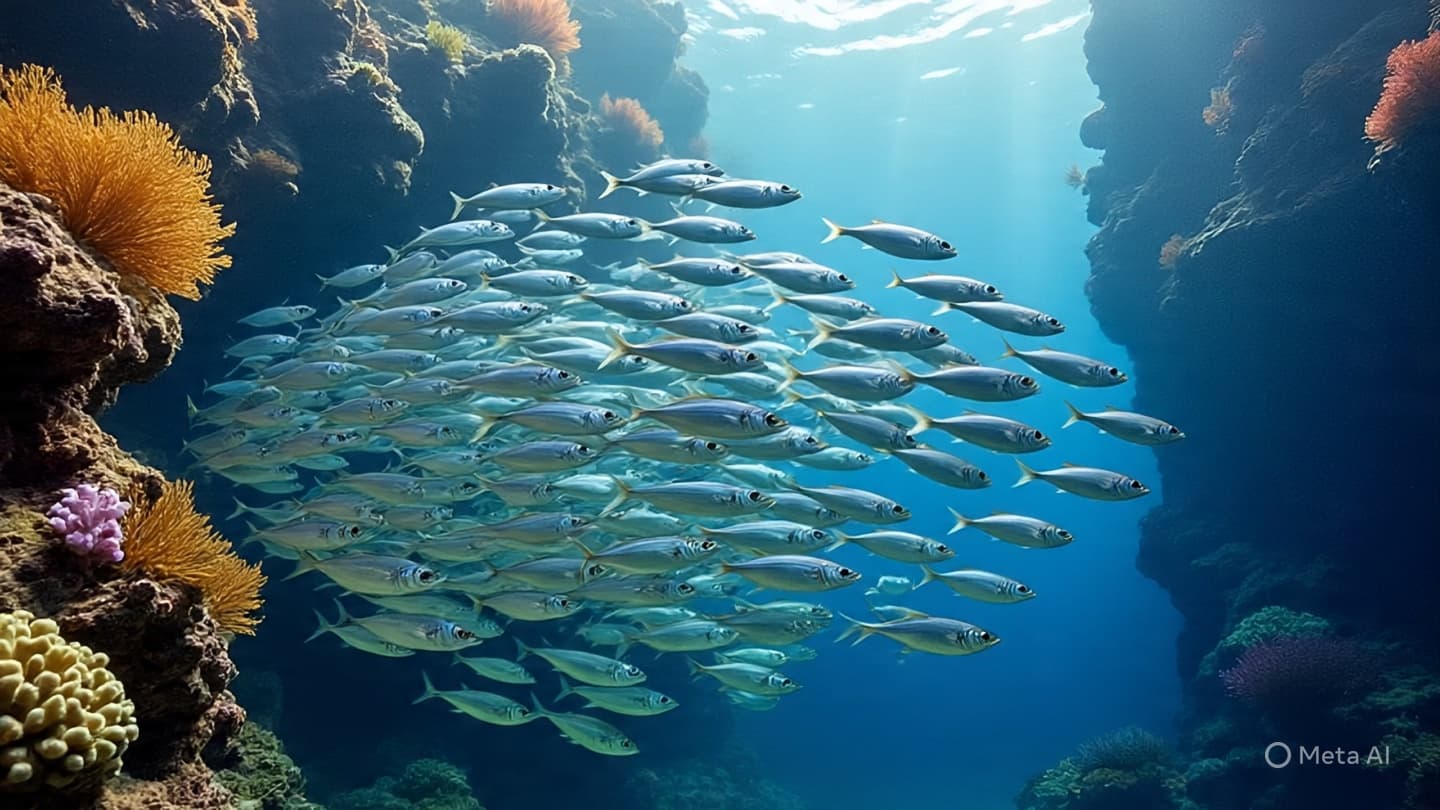
This gradual warming is not a sudden phenomenon but rather a rhythmic shift that ripples through the food chain and alters the migration routes of the sea’s most elusive inhabitants. Rare marine species that once thrived in specific bays are now relocating, seeking the cooler comfort of deeper or more distant waters. This transition serves as a poignant reminder that the boundaries of the natural world are never truly fixed.
Research into these temperature shifts reveals that even a fraction of a degree can significantly impact marine life, affecting everything from plankton blooms to spawning times. The delicate balance of the ecosystem means that the timing of a single event can have repercussions that resonate throughout the entire marine environment. As scientists gather data, they are piecing together a narrative of change that reflects the broader implications of climate change.
In coastal villages, the effects of these changes are palpable. Fishermen are noticing shifts in their catches, with sightings of unusual marine creatures becoming more common. The sea is welcoming new guests while its traditional residents depart for cooler latitudes. This dynamic landscape is constantly remapping its internal geography in response to the warming waters, creating a new reality for those who depend on the sea for their livelihoods.
This warming process, often hidden beneath the waves, is only fully understood through the dedicated efforts of marine biologists. Their work serves as a form of environmental witnessing, documenting the subtle transformations of a world that many will only ever observe from the safety of the shore. The Aegean remains a place of profound beauty, yet that beauty is increasingly fragile as temperatures continue to rise.
A recent study published by Greek marine researchers highlights the correlation between rising Aegean Sea temperatures and altered migration patterns of rare marine species. Over a five-year period, data collected indicates that several species are moving to deeper or more northern habitats to escape the warming surface waters. These findings underscore the ongoing impact of climate change on Mediterranean biodiversity and the urgent need for continued research and conservation efforts.
As we gaze over the shimmering surface of the Aegean, it is easy to assume that everything remains unchanged. Yet beneath the blue, a new narrative is unfolding—one of adaptation and movement. The Aegean is breathing differently now, and its changing pulse calls for a closer examination of the world that sustains us.
Published by Banx Network. This article is part of the Banx decentralized media programme, powered by the BXE token on the XRP Ledger.



