
Key Highlights
- Rising Tensions:The Middle East is experiencing renewed tensions involving Iran and Israel.
- Diplomatic Efforts:Diplomatic channels remain open despite escalating rhetoric.
- Military Readiness:The U.S. is reviewing military options amid geopolitical concerns.
The Middle East has long resembled a landscape where diplomacy and confrontation move side by side, never fully separated for long. Even during periods of negotiation, the region often carries an undercurrent of uncertainty, where political statements can quickly influence military calculations across borders. The current climate is no exception, as rising tensions between the U.S. and Iran have sparked renewed discussions about military readiness and strategic posturing.
President Donald Trump is reportedly considering a harder strategic posture in the Middle East amid escalating tensions involving Iran, Israel, and broader regional security concerns. These discussions have emerged as diplomatic efforts between Washington and Tehran remain fragile and increasingly complicated. Reports indicate that the Trump administration is reviewing military preparedness options while weighing the geopolitical implications tied to Iran’s nuclear program and security alliances across the Gulf region.
Officials close to the White House have described these discussions as part of a broader effort to maintain deterrence and strengthen American influence in the Middle East. Analysts have noted that the administration appears focused on combining military readiness with economic and diplomatic pressure. This dual approach aims to address the complexities of the current geopolitical landscape while attempting to mitigate the risks of direct confrontation.
The renewed tension follows disagreements surrounding Iran’s uranium enrichment activities, maritime security in the Strait of Hormuz, and the role of regional militias allied with Tehran. These issues have continued to shape relations between Washington and several Middle Eastern governments, complicating the already intricate web of alliances and rivalries in the region.
At the same time, international observers are urging restraint. European diplomats and United Nations officials have repeatedly warned that further escalation could destabilize energy markets and deepen humanitarian concerns across the region. The potential for a broader conflict looms large, as the stakes are high for both regional actors and global powers.
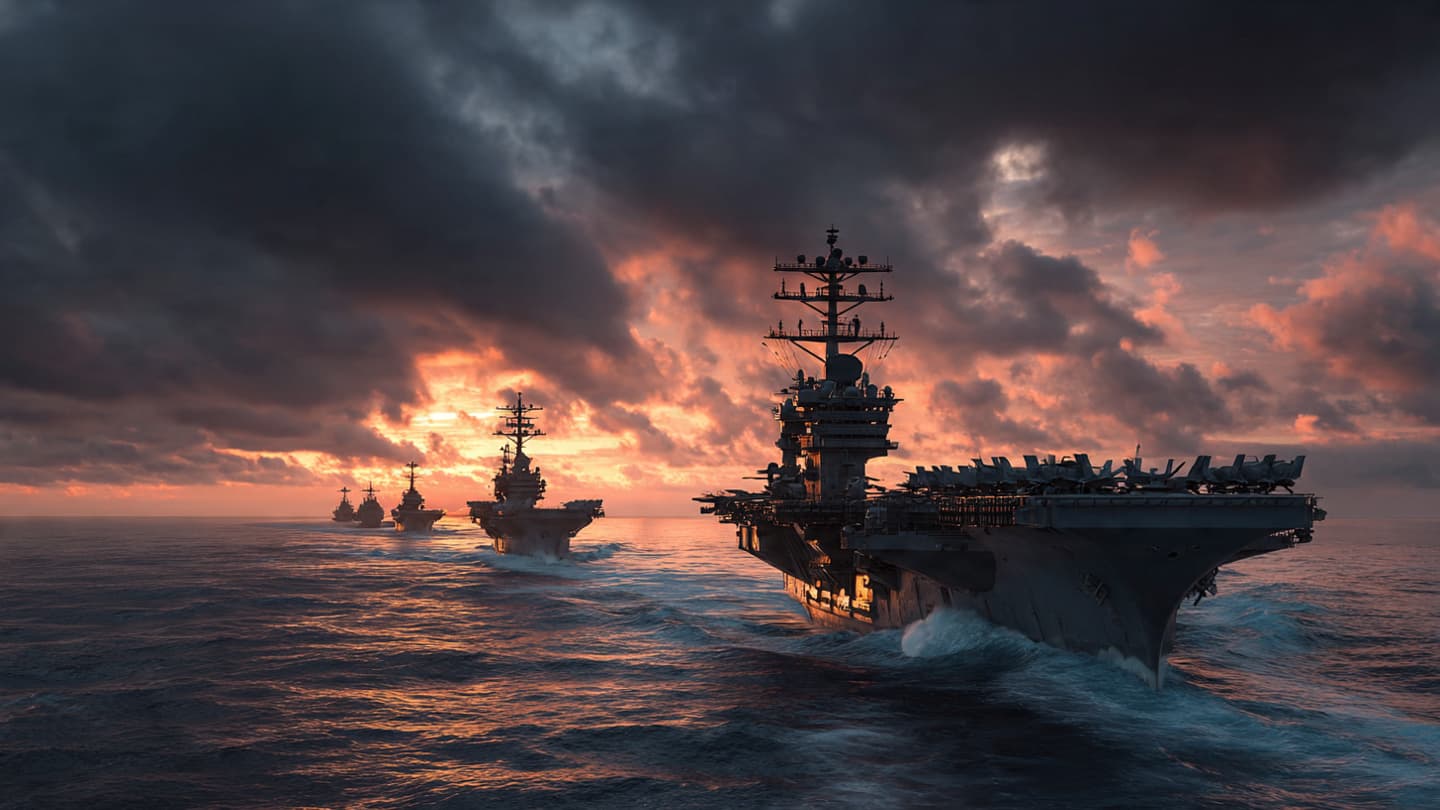
Military analysts caution that prolonged confrontation carries risks beyond direct conflict. Increased naval deployments, missile defense operations, and strategic signaling may raise the possibility of accidental escalation during already tense circumstances. The potential for miscommunication or miscalculation could lead to unintended consequences, further complicating an already volatile situation.
For now, diplomatic channels between multiple regional actors remain open despite increasingly sharp rhetoric. Whether the current situation evolves toward renewed negotiations or deeper confrontation may depend largely on how both Washington and Tehran balance pressure with diplomacy in the coming months. The international community watches closely, hoping for a resolution that prioritizes stability and peace in a region long marked by conflict.
Published by Banx Network. This article is part of the Banx decentralized media programme, powered by the BXE token on the XRP Ledger.



