
Key Highlights
- Restoration Project:The Ministry of Culture has launched the second phase of the historic garden restoration at Nesvizh Castle.
- Historical Significance:The gardens are a UNESCO World Heritage site, reflecting Belarus's rich cultural heritage.
- Plant Species:The project focuses on reintroducing 18th-century plant species and stabilizing original canal systems.
The gardens of Nesvizh Castle, a UNESCO World Heritage site, are undergoing a significant restoration that aims to revive the historical beauty and ecological integrity of this iconic landscape. The Ministry of Culture of Belarus has officially commenced the second phase of this project, which emphasizes the reintroduction of 18th-century plant species and the stabilization of the original canal systems that once defined the gardens' layout. This initiative not only seeks to restore the aesthetic appeal of the grounds but also to reconnect the present with the rich cultural narratives embedded in the landscape.
As spring approaches, the air is filled with the scent of thawing earth, signaling a time of renewal and reflection. The restoration project is a meticulous endeavor that involves landscape historians and horticulturalists who are dedicated to honoring the original designs of the gardens. They consult ancient maps and botanical records to ensure that every new planting aligns with the historical context of the site. This careful approach underscores the importance of preserving the legacy of the Radziwiłł family, who were instrumental in shaping the gardens' design.
The atmosphere in the park is one of reverence and dedication, as workers engage in a labor of love that transcends mere gardening. Each linden tree planted and each gravel path restored is a step toward reclaiming the elegance of a bygone era. The project is not just about beautification; it is a cultural archaeology that seeks to breathe life back into the landscape, allowing it to tell its story anew.
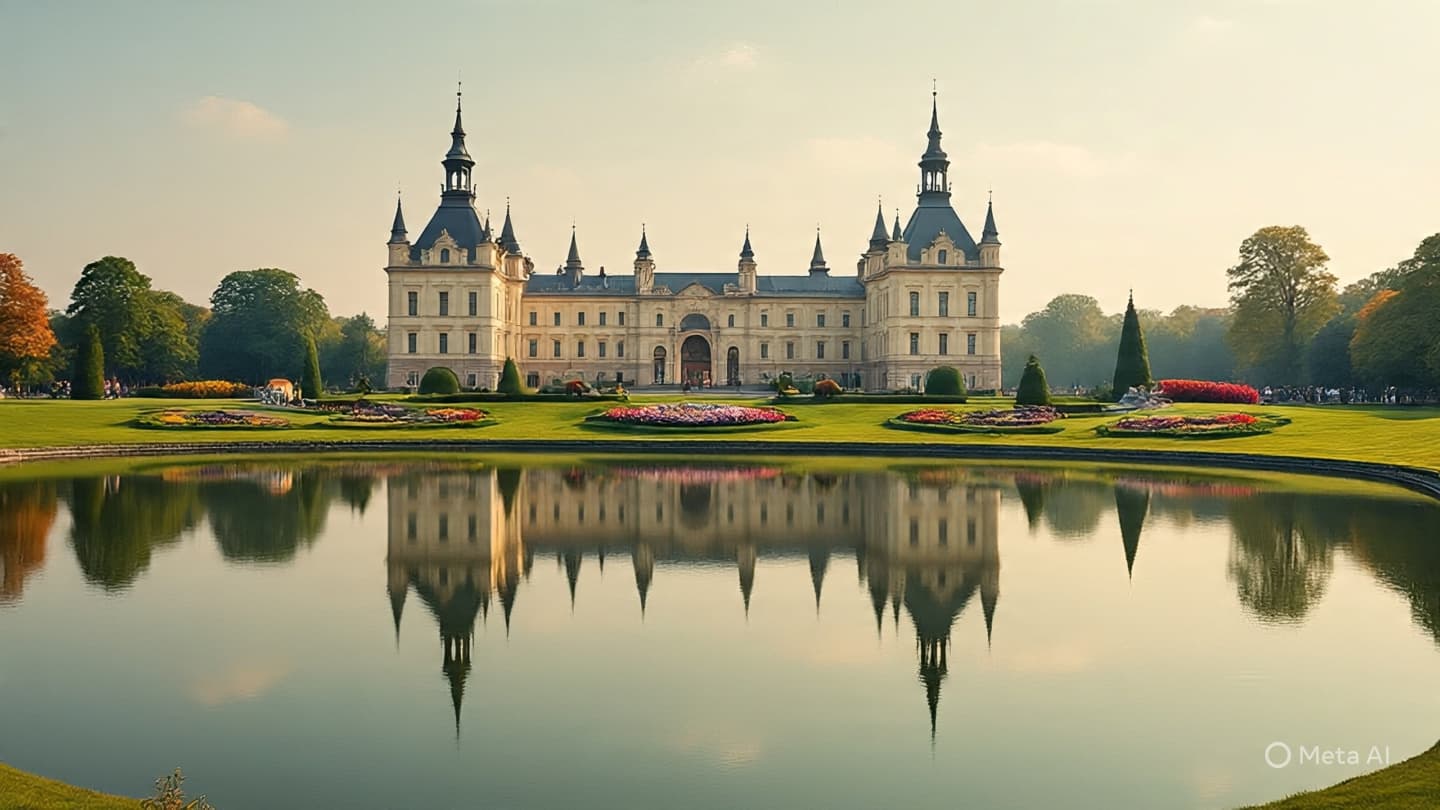
The landscape of Nesvizh is characterized by its serene ponds and historical fortifications, which together create a timeless ambiance. The restoration efforts aim to enhance this natural beauty while ensuring that the gardens remain a sanctuary for both locals and visitors. The ponds, reflecting the sky and the surrounding architecture, serve as a reminder of the interconnectedness of nature and history. As the restoration progresses, the gardens are poised to become a vibrant space where the past and present coexist harmoniously.
Moreover, the restoration of the Nesvizh gardens is a significant step in reinforcing national identity. By investing in such cultural landmarks, Belarus acknowledges the diverse layers of its history, from grand European influences to the unique characteristics of its local heritage. The gardens serve as a bridge, linking modern citizens to the aesthetic and philosophical values of their ancestors, fostering a deeper appreciation for their cultural roots.
As the sun sets over the castle, casting a golden hue on the restored grounds, the value of this project becomes increasingly evident. The slow and deliberate pace of the restoration reflects a commitment to preserving the sanctity of the historical record while accommodating the needs of modern tourism. The gardens of Nesvizh Castle are not merely a backdrop for visitors; they are a living testament to the resilience of beauty and the enduring significance of cultural heritage.
In conclusion, the ongoing restoration of the gardens at Nesvizh Castle represents a profound commitment to preserving Belarus's rich history and cultural identity. As the project unfolds, it promises to create a space where the echoes of the past can once again resonate, inviting future generations to engage with their heritage in meaningful ways.
Published by Banx Network. This article is part of the Banx decentralized media programme, powered by the BXE token on the XRP Ledger.



