Highways are the arteries of a country. They carry the lifeblood of commerce, the rhythm of daily commutes, the quiet journeys of families going about their ordinary days. When they close—really close, in both directions, with no clear time for reopening—the effects ripple outward. In September, two such closures unfolded within days of each other, on roads that thousands depend upon, reminding us how fragile the systems we take for granted can be.
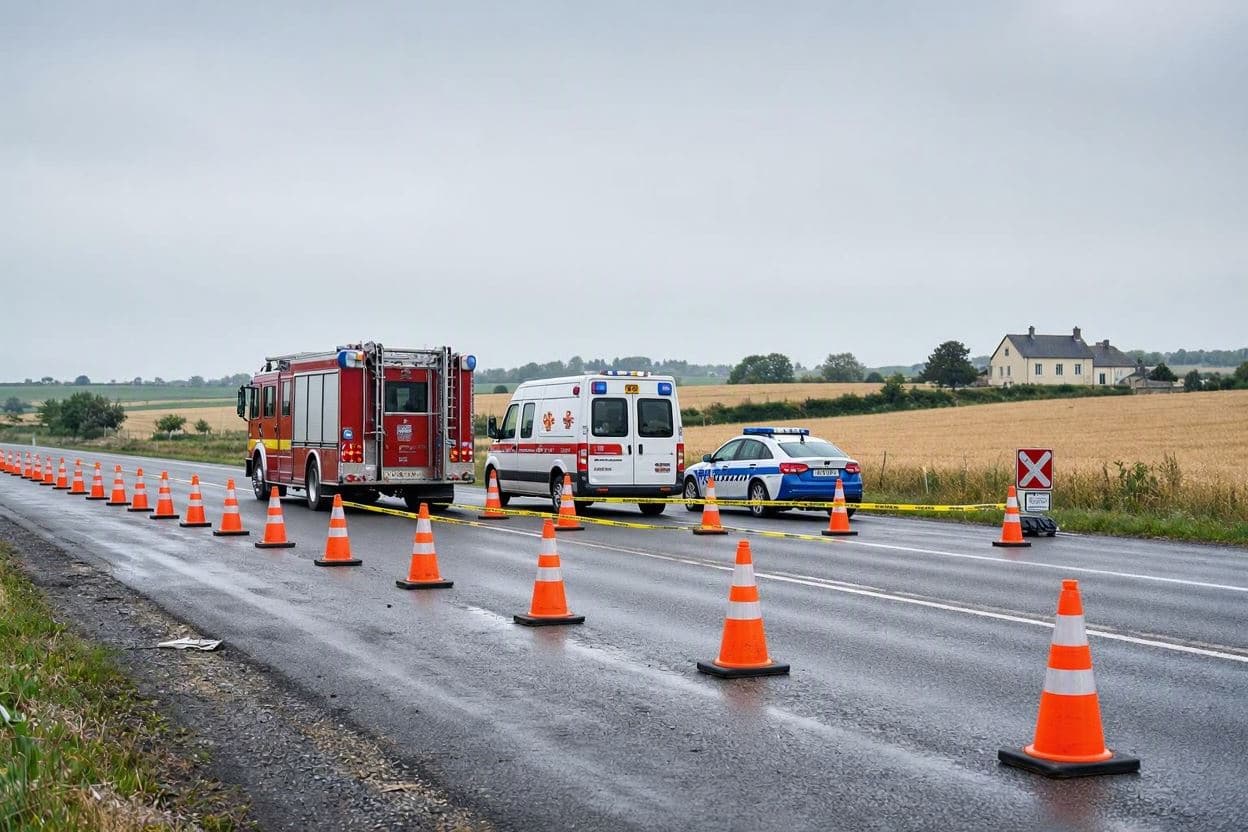
On September 23, the Melba Highway in Victoria's Yarra Ranges was shut in both directions after a multi-vehicle crash involving a tour bus and several cars. The collision occurred between Castella and Yea, a stretch of road that winds through the hills northeast of Melbourne. Ambulance Victoria confirmed that twenty-one people were treated at the scene, including several teenagers. A teenage boy with upper body injuries was flown to The Alfred hospital in serious condition. Another man in his fifties was taken to Box Hill Hospital, also in serious condition. A teenage girl and another teenage boy were transported to hospitals in stable condition .
The bus belonged to charter company Mee's, which confirmed it had left Mansfield around 1 p.m. en route to Melbourne. Vic Traffic warned that the highway would remain closed while emergency services worked, and detours via the Maroondah Highway would add significant time and distance to journeys
Days earlier, on April 17, a separate incident closed the Hume Freeway in both directions near Violet Town, about 150 kilometers northeast of Melbourne. A B-double truck towing two semi-trailers collided with "numerous vehicles," according to police. The severity of injuries was not immediately known, but the freeway was closed in both north and southbound lanes while emergency services responded .
These closures are not isolated events. In New South Wales, the Great Western Highway has been closed at Victoria Pass since early March due to structural problems at Mitchell's Causeway, with no fixed reopening date. An estimated 12,000 cars and trucks per day have been diverted to Chifley Road and the Darling Causeway. That diversion route has itself become the site of serious accidents, including a head-on collision near Dargan in late April that brought traffic to a standstill .
For drivers, the frustration is palpable. David Hyland of Bathurst, who began taking a coach service to Katoomba for the first time, described the situation simply: "There have just been so many crashes lately, and the time it's taking to get through the mountains with the detour." Another traveler, Alex Grant, found himself stuck on Chifley Road for over an hour after a crash, watching cars trickle past and wondering when the road would clear. "It's just making things way too difficult for people," he said .
When highways close, the alternatives are rarely simple. Detours add hours. Public transport fills. Small towns that sit along diversion routes find themselves suddenly carrying traffic they were never designed to handle. And every crash on a detour reminds travelers that the systems we rely on are not infinite in their capacity.
The roads will reopen, as they always do. The question that lingers is how long the pattern of closure, detour, and disruption will continue—and what it will take to make the arteries flow freely again.
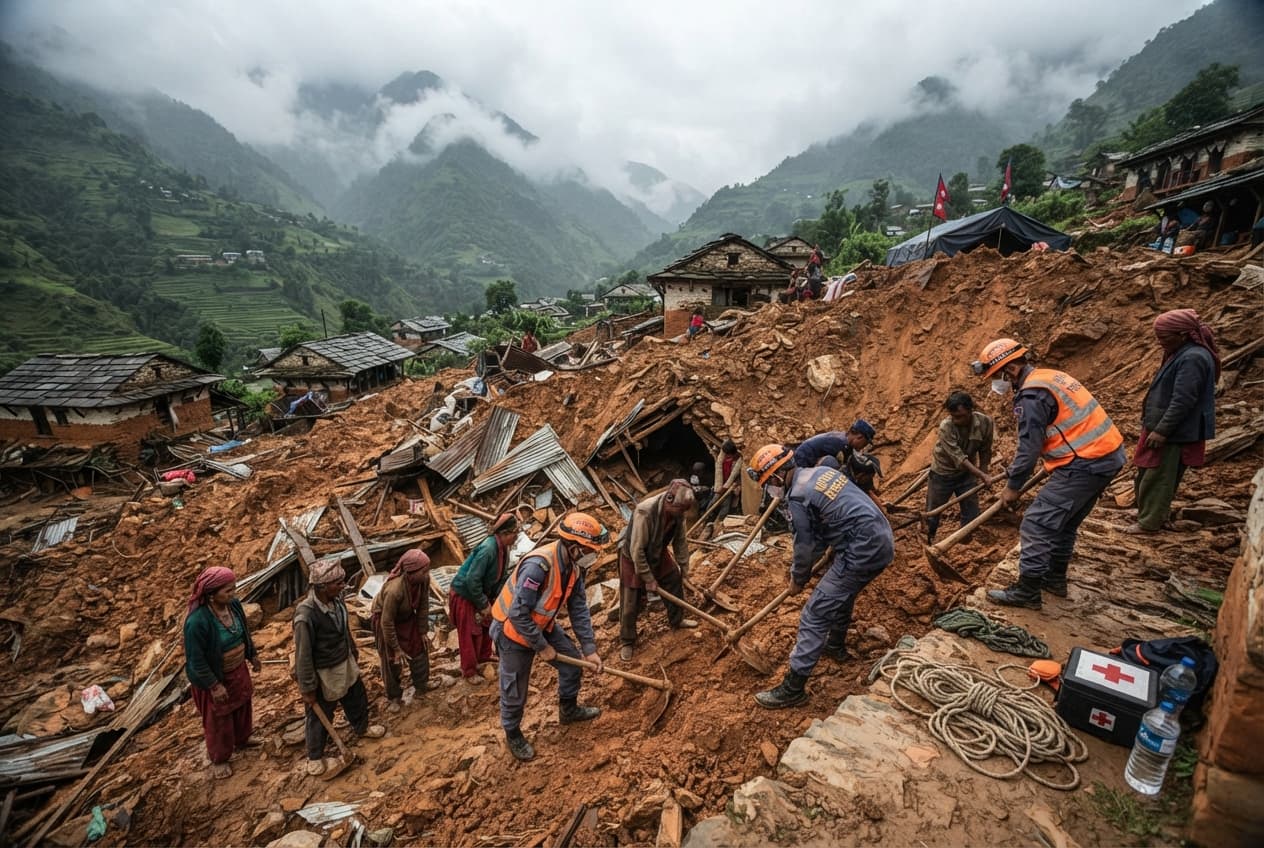
AI Image Disclaimer: The visual content accompanying this article was produced by artificial intelligence and does not depict actual crash scenes or locations.
Sources: The Australian, The Sydney Morning Herald, Western Advocate, News24 Australia
Published by Banx Network. This article is part of the Banx decentralized media programme, powered by the BXE token on the XRP Ledger.