
Key Highlights
- Reservoir levels in Cuba have dropped below 25% capacity due to drought.
- Agricultural production is severely threatened, particularly sugarcane.
- Water rationing measures are being implemented across central provinces.
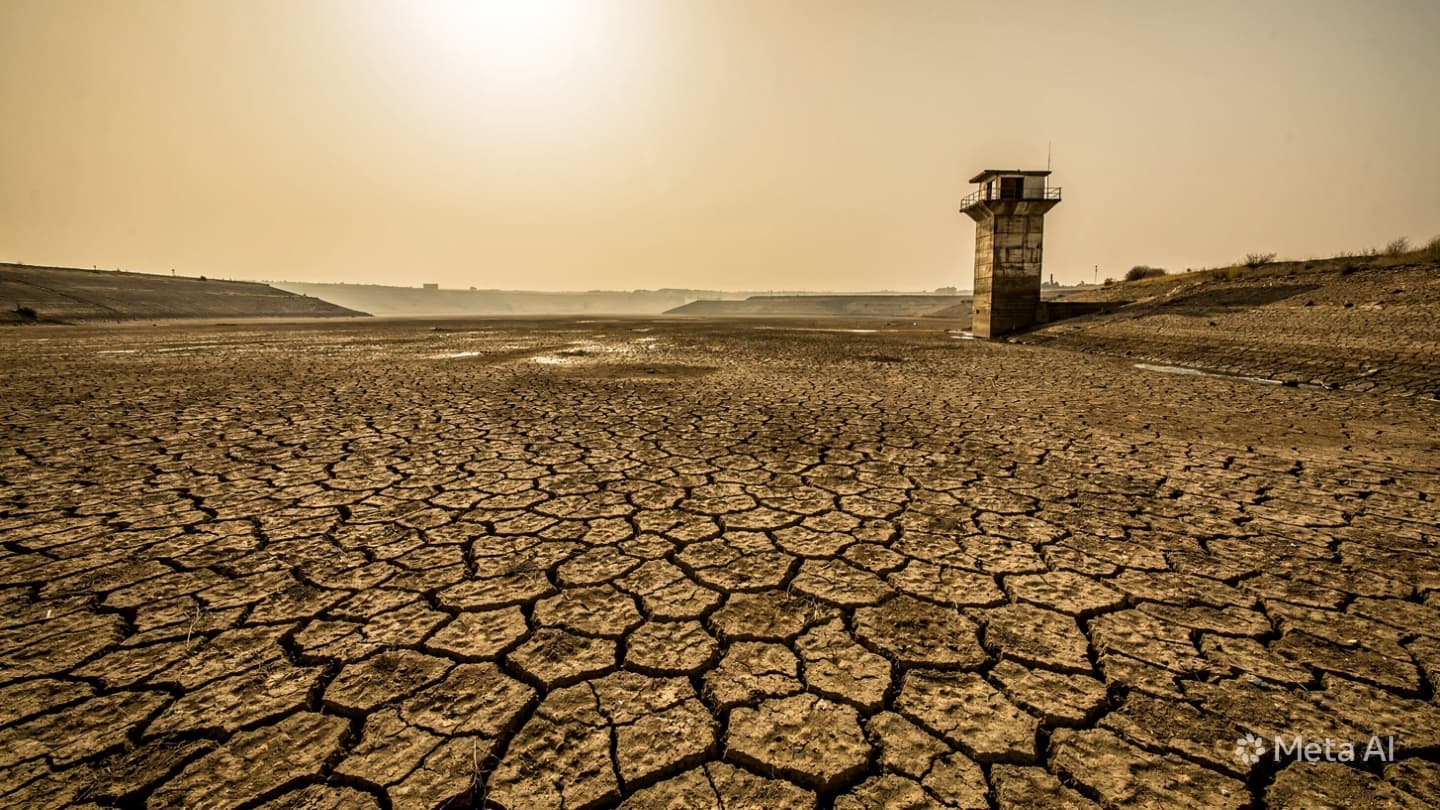
The great inland reservoirs of Cuba were designed to act as mirrors to the sky, vast expanses of captured water that secure the life of the surrounding agricultural plains against the traditional uncertainties of the climate. In ordinary years, their full surfaces reflect the deep green of the royal palms and the passage of white clouds, providing a visual sense of abundance to the rural landscape. However, when a prolonged drought settles over the island, these vital basins begin a slow, silent retreat, exposing a landscape of cracked mud and forgotten fence lines that had long been submerged.
The drying of a major reservoir is not a sudden catastrophe, but a gradual, creeping exhaustion that alters the daily routine of the countryside week by week. As the waterline pulls away from the concrete intake towers, the landscape takes on a stark, skeletal quality, revealing the ancient contours of the valleys before they were flooded by twentieth-century engineering. The air over the drying basins becomes hot and still, carrying the faint, dusty scent of baked silt and parched vegetation.
For the agricultural communities that depend on these waters for irrigation, the receding tide introduces a profound shift in the seasonal calculus of planting and harvesting. The channels that normally carry water to the vast fields of sugarcane, rice, and tobacco run sluggish and shallow, forcing farmers to make difficult choices about which crops to sustain and which to let wither. The ground in the fields hardens into gray clods, resisting the plow and challenging the traditional optimism of the planting season.
The impact of this environmental constriction ripples through the entire rural economy, affecting everything from milk production in the pastures to the availability of fresh produce in the provincial markets. The livestock move across the landscape with a slow, searching gait, congregating around the muddy remnants of watering holes that have shrunk to a fraction of their normal size. It is a quiet, systemic strain that tests the resilience of a population intimately connected to the limitations of the earth.
Managing these dwindling water reserves requires a meticulous, administrative discipline from regional water authorities, who must balance the needs of industrial agriculture with the domestic requirements of nearby towns. Water delivery schedules are carefully adjusted, and public awareness campaigns urge conservation in a landscape where water has historically been taken for granted. The work is a constant monitoring of percentages and gauges, conducted under a relentless sun that seems to accelerate the evaporation process daily.
The scientific analysis of these weather patterns suggests that the extended dry periods are becoming more frequent, driven by larger shifts in the atmospheric circulation of the Caribbean basin. This changing reality forces a reassessment of traditional farming methods, encouraging the adoption of more drought-resistant crop varieties and advanced, water-saving irrigation technologies. The transition is slow and capital-intensive, requiring a sustained investment at a time when national resources are heavily strained by broader economic challenges.
As the dry months extend toward the horizon, the empty spaces of the reservoirs become temporary pastures where a few hardy cattle forage on the opportunistic weeds growing in the damp silt. The view from the concrete dams is a sobering reminder of the absolute dependence of modern society on regular atmospheric cycles. The infrastructure remains intact, but its utility is entirely hostage to the absence of the clouds.
The return of the rains, when it eventually happens, will be celebrated not as an inconvenience but as a profound relief, a restoration of the natural balance that allows the island to feed itself. Until then, the landscape remains in a state of suspended animation, waiting for the weather to break the long, dusty silence of the valleys. The reservoirs stand as empty monuments, waiting for the sky to refill their deep stone bowls.
An extended drought has reduced water levels in Cuba's primary reservoirs to less than twenty-five percent of their total capacity, severely threatening local agricultural production across the central provinces. The National Institute of Hydraulic Resources reported that the lack of significant rainfall over the past eight months has forced strict rationing of irrigation water for major sugarcane and crop production, impacting the livelihoods of farmers and the food supply for local communities.
Published by Banx Network. This article is part of the Banx decentralized media programme, powered by the BXE token on the XRP Ledger.



