

Key Highlights
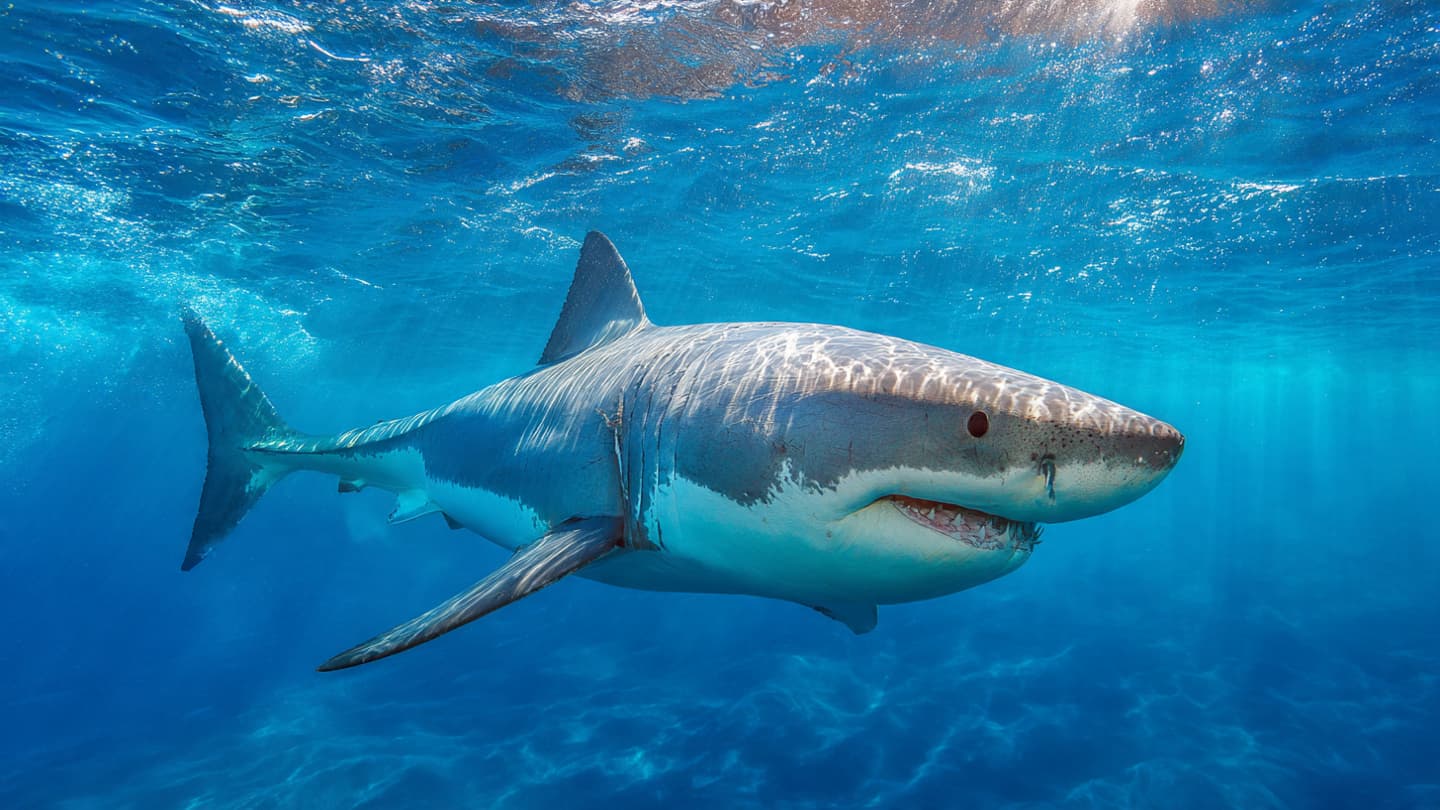
- Recent Sighting:An adult great white shark was observed during a marine conservation effort in the Mediterranean.
- Conservation Importance:The sighting emphasizes the need for ongoing marine conservation and monitoring.
- Ecosystem Role:Sharks are vital for maintaining healthy marine ecosystems as apex predators.
The Mediterranean Sea, known for its rich biodiversity, recently revealed one of its hidden wonders: an adult great white shark. This sighting occurred during a marine conservation initiative aimed at monitoring and protecting the region's delicate ecosystems. Researchers documented the encounter, providing valuable insights into the presence of this iconic predator in an area where sightings are relatively rare.
Great white sharks are among the most studied marine species, yet their populations in the Mediterranean have remained elusive. Scientists have long speculated about the existence of a small population in the region, but direct observations have been infrequent due to the vastness of the sea and the species' migratory behavior. The recent sighting not only adds to the understanding of shark distribution but also highlights the importance of conservation efforts in the area.
During the conservation activities, researchers utilized advanced technologies such as underwater cameras and environmental DNA sampling to gather data while minimizing disturbance to marine life. These tools have revolutionized the study of elusive species, allowing scientists to track their movements and understand their habitat preferences better. The ability to document such sightings is crucial for informing conservation strategies aimed at protecting vulnerable shark populations.
Sharks play a critical role in maintaining the balance of marine ecosystems. As apex predators, they regulate the populations of other marine species, which helps sustain the health and diversity of ocean habitats. However, many shark species face significant threats from overfishing, habitat loss, and accidental capture in fishing gear. Conservation organizations and local authorities are increasingly focused on developing strategies to protect these vital species while promoting sustainable fishing practices.
The Mediterranean Sea presents unique challenges for marine conservation due to high levels of human activity, including commercial shipping, tourism, and fishing. These factors can negatively impact marine habitats and the species that inhabit them. Ongoing scientific monitoring is essential for identifying critical areas where conservation measures can be most effective.
Public interest in sharks often combines fascination with fear, leading to misconceptions about their behavior. Experts emphasize that most shark species pose little risk to humans when left undisturbed in their natural habitats. The recent observation of a great white shark serves as a reminder of the richness of Mediterranean biodiversity and the importance of continued scientific research in understanding and protecting these remarkable creatures.
As conservation efforts progress, discoveries like the sighting of the great white shark deepen our understanding of the oceans and the diverse life they support. The ongoing commitment to marine conservation is vital for ensuring the future of these apex predators and the health of marine ecosystems worldwide.
Published by Banx Network. This article is part of the Banx decentralized media programme, powered by the BXE token on the XRP Ledger.




