
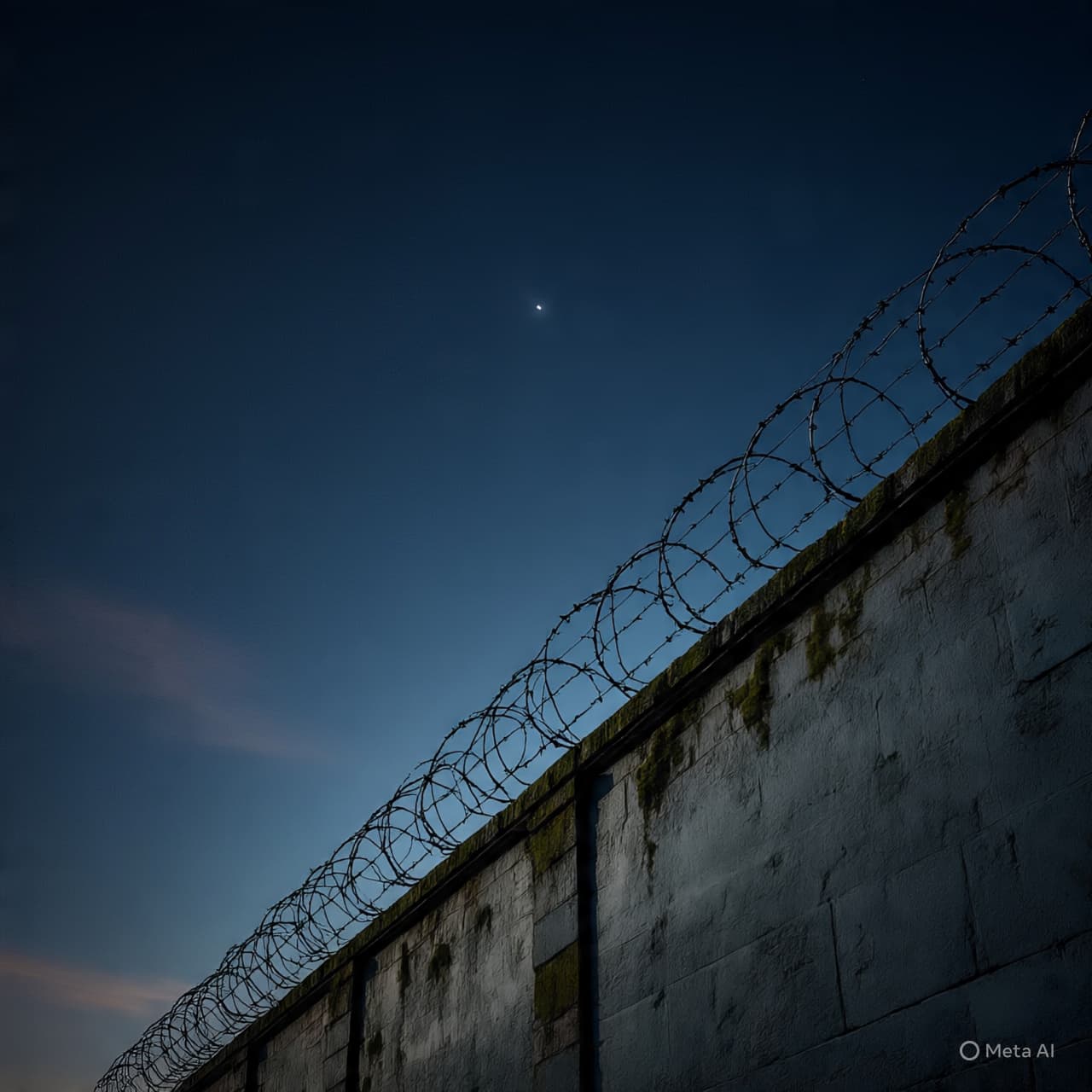
Key Highlights
- Recent Charges:Two individuals have been charged for using drones to deliver drugs into a high-security prison.
- Innovative Smuggling:The operation utilized remote-controlled technology to bypass traditional security measures.
- Legal Implications:The case raises questions about the boundaries of property and punishment in the age of technology.
In recent developments, authorities have charged two individuals in connection with a sophisticated scheme to use drones for delivering controlled substances into a high-security facility. This incident underscores the growing challenges faced by correctional institutions as they grapple with the implications of modern technology. The investigation revealed that the operation was not only innovative but also indicative of a larger trend where traditional security measures are increasingly being circumvented.
The use of drones in this context highlights a new frontier in smuggling operations. These small, unmanned aerial vehicles have become tools for illicit activities, allowing operators to bypass the physical barriers of prison walls. The drones, often equipped with cameras and GPS technology, provide a means to deliver contraband without direct contact, complicating the enforcement of prison security protocols.
As the legal proceedings unfold, the case serves as a critical examination of how the law adapts to technological advancements. The charges against the two men reflect an attempt by the state to reclaim control over the airspace surrounding correctional facilities. This situation raises significant questions about the effectiveness of existing laws in addressing crimes that exploit technological innovations.
The implications of this case extend beyond the immediate legal consequences for the accused. It signals a shift in how authorities must approach security in prisons, as the boundaries of property and punishment are no longer strictly defined by physical barriers. The sky, once seen as a domain of freedom, has become a battleground for law enforcement and criminal enterprises alike.
The arrest of these individuals brings to light the tension between human ingenuity and its potential for misuse. Drones, which were initially celebrated for their capabilities in various fields, are now being recognized for their darker applications. This duality presents a challenge for lawmakers and law enforcement as they strive to keep pace with rapidly evolving technology.
As the investigation continues, the presence of drones in the vicinity of prisons remains a pressing concern. The authorities are now tasked with not only prosecuting the individuals involved but also reassessing the security measures in place to prevent similar incidents in the future. The mechanical birds, once symbols of innovation, have now become instruments of subversion, prompting a reevaluation of how society manages the intersection of technology and crime.
In conclusion, the case of the two men charged with using drones to smuggle drugs into a prison serves as a stark reminder of the vulnerabilities that exist within correctional facilities. As the legal system seeks to address these challenges, the ongoing evolution of technology will undoubtedly continue to shape the landscape of crime and punishment.
Published by Banx Network. This article is part of the Banx decentralized media programme, powered by the BXE token on the XRP Ledger.



