
Key Highlights
- Digital education is expanding in Guyana's hinterland regions.
- Over 100 schools now have satellite connectivity and access to digital resources.
- The initiative aims to empower indigenous students and bridge educational gaps.
Digital education is making significant strides in the remote hinterland regions of Guyana, particularly in the Rupununi and Mazaruni areas. For decades, these regions have been characterized by isolation, with limited access to educational resources. However, a transformative initiative is now bringing the world closer to the fingertips of school children through satellite technology and digital literacy programs.
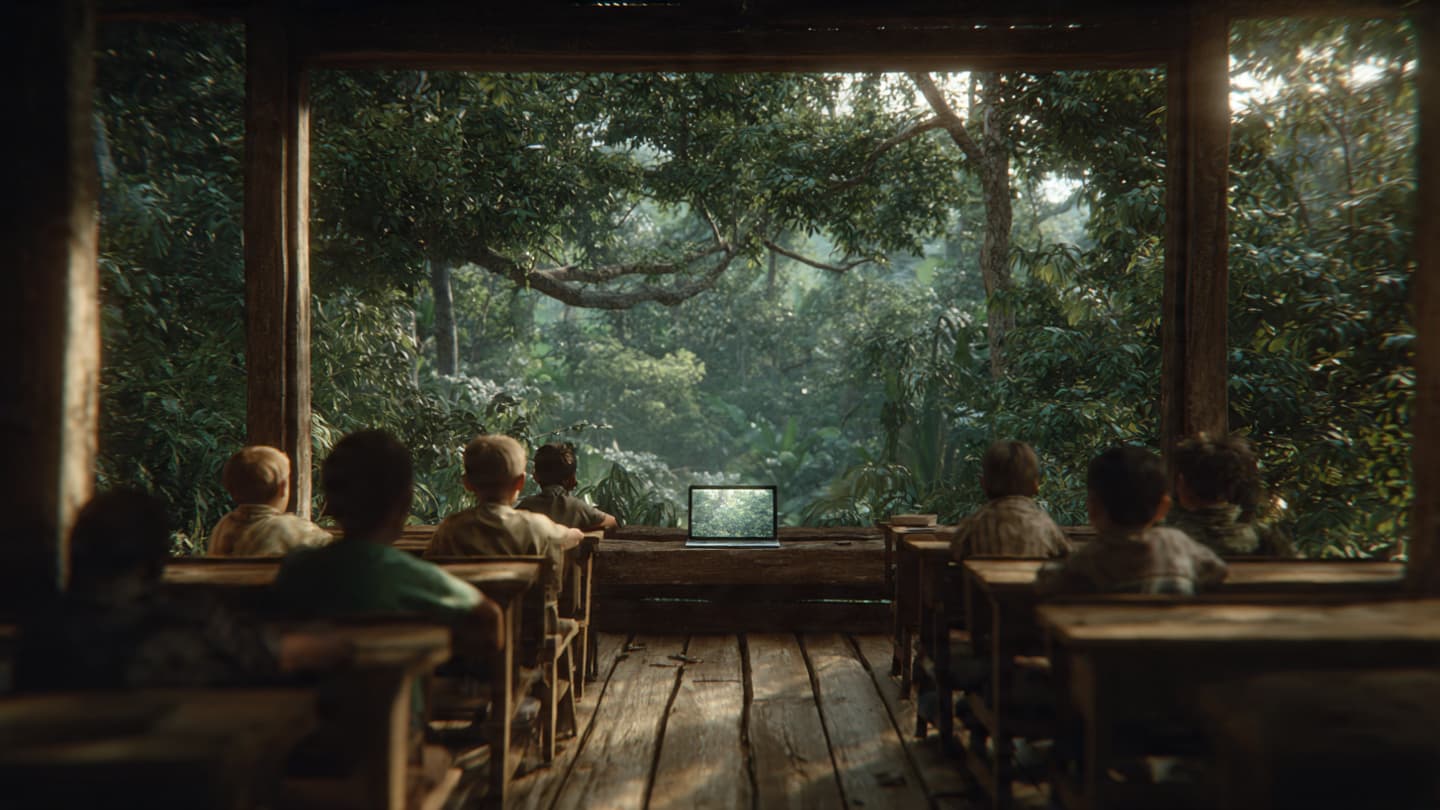
In these indigenous communities, students are now able to access global digital libraries, a development that symbolizes the breaking down of barriers that have historically limited their educational opportunities. The sight of a child engaging with a tablet, illuminated by the glow of knowledge, reflects a new dawn for education in these remote areas. This initiative is not merely about technology; it represents a profound shift in the educational landscape, offering equal access to information for every child, regardless of their geographical location.
The integration of local wisdom with global information is a key aspect of this initiative. Teachers in these communities are being equipped with laptops and trained in digital literacy, enabling them to enhance the quality of education without leaving their homes. This approach fosters a sense of empowerment, ensuring that the intellectual growth of the nation is aligned with its natural resource wealth. The simple school buildings in these regions are now hubs of knowledge, where the future of Guyana is being reimagined through technology.
The Ministry of Education of Guyana has taken significant steps to expand its satellite connectivity program, now reaching over 100 schools in the hinterland. This initiative is part of a broader strategy to create a competent workforce that can thrive in the emerging modern economy. By providing educators with the tools and training necessary for effective integration of the national curriculum, the government aims to ensure that no child is left behind in this digital age.
As the program continues to grow, the impact on students and communities is becoming increasingly evident. The ability to connect with the wider world not only enhances educational opportunities but also fosters a sense of belonging and hope among students. They are no longer isolated from the advancements of society; instead, they are becoming active participants in shaping their futures.
In conclusion, the expansion of digital education in Guyana's hinterland is a testament to the power of technology in transforming lives. By bridging the gap between local and global knowledge, this initiative is empowering indigenous students and redefining what is possible for future generations.
Published by Banx Network. This article is part of the Banx decentralized media programme, powered by the BXE token on the XRP Ledger.



