
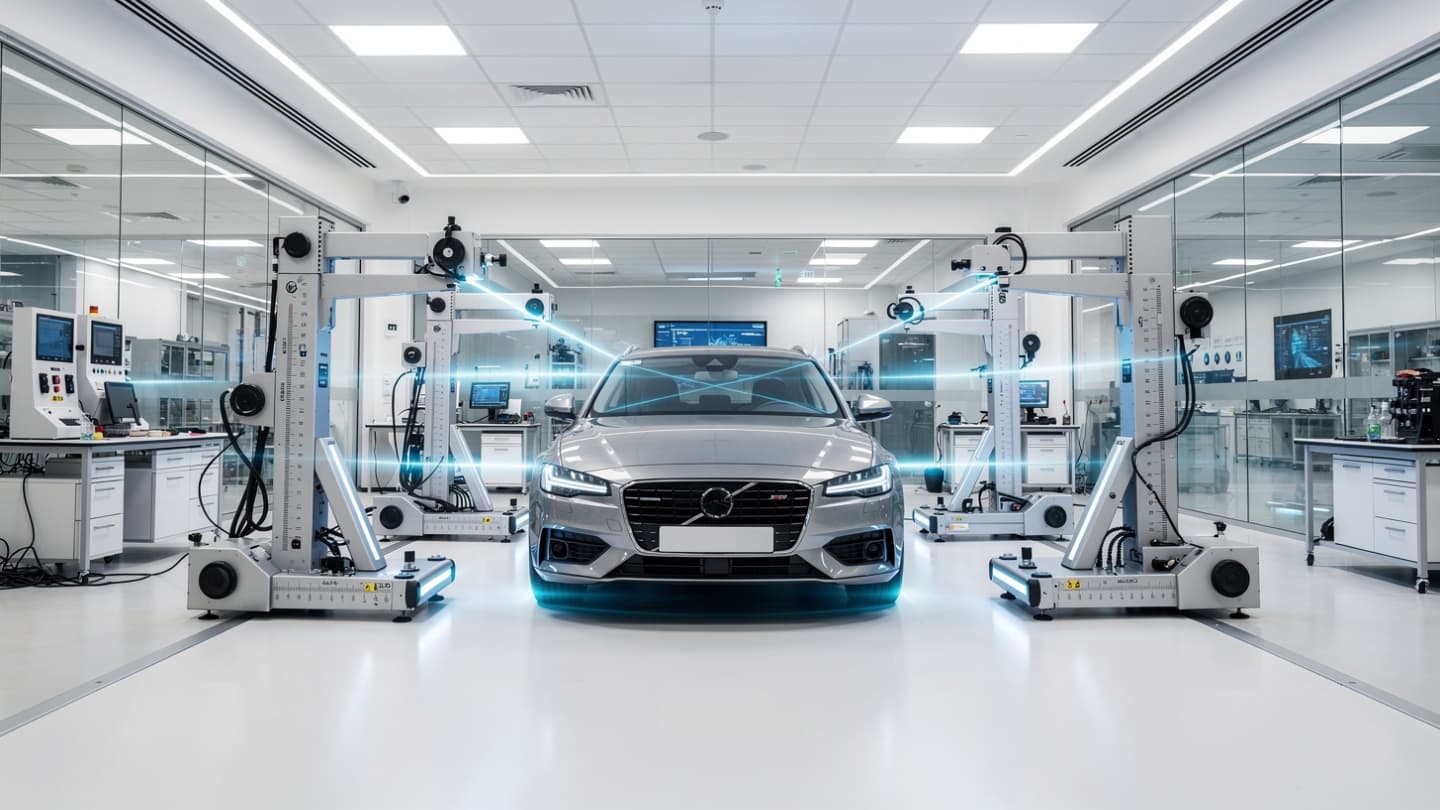
There is a profound silence in the act of measurement, a disciplined pause where the efforts of a nation are weighed against the expectations of the world. For years, the rapid growth of the domestic electric vehicle industry felt like a localized phenomenon, a surge of energy contained within its own borders. But as these machines begin to look toward distant shores, they must first pass through the quiet scrutiny of the institute, where their logic is translated into a universal language of safety and excellence.
The establishment of a dedicated body to assess these vehicles to global standards is a significant milestone in the journey of an industry. It is an acknowledgment that to truly belong to the global community, one must embrace its rules and its rigors. This is the heavy work of "export growth"—the meticulous process of ensuring that every weld, every sensor, and every line of code meets the high bar set by the international stage. It is a moment of maturation.
To consider a "standard" is to consider a shared promise. It is the assurance that a vehicle built in one corner of the world will perform with the same reliability and safety in another. By aligning with these global benchmarks, the domestic industry is not just seeking to sell products; it is seeking to build trust. There is a reflective dignity in this pursuit, a recognition that the true measure of success is the ability to withstand the most demanding of evaluations.
The narrative of this assessment is one of quiet transformation. Inside the testing facilities, the atmosphere is clinical and focused. The cars are subjected to the extremes—the heat of the desert, the cold of the tundra, and the sudden, violent impact of the crash test. Every failure is a lesson, and every success is a step closer to the horizon. It is a slow, methodical refining of the craft, turning a local ambition into a global reality.
Within the offices of the institute, the talk is of "harmonization" and "compliance." There is an awareness that the world is watching, and that the reputation of the industry depends on the integrity of its results. The work is as much about diplomacy as it is about engineering, a way of building bridges through the shared language of technical precision. The institute acts as the guardian of the gate, ensuring that only the best are allowed to pass.
The landscape of the international market is a complex and often daunting one, filled with diverse regulations and discerning consumers. By providing a clear, standardized path for manufacturers, the institute removes the fog of uncertainty. It allows the builders to focus on what they do best—innovating and creating—while the experts ensure that their creations are ready for the world. It is a partnership that strengthens the entire ecosystem.
As these assessed vehicles begin to board the great cargo ships, they carry with them the seal of approval from the institute. They are no longer just products of a specific region; they are world-class machines, ready to compete on any stage. There is a sense of pride in this achievement, a feeling that the industry has finally found its voice in the global conversation. The journey toward the horizon is now paved with the certainty of quality.
We find ourselves at a point where the local and the global are becoming one. The work of the institute is the invisible foundation upon which the future of export growth will be built. It is a reminder that in the world of modern motion, the most powerful tool is not the engine or the battery, but the standard that proves their worth. The world is waiting, and the drive is just beginning.
The newly established National Institute for Automotive Export Standards has begun its first round of comprehensive assessments for Chinese electric vehicles destined for European and North American markets. The institute provides rigorous testing for battery safety, software cybersecurity, and crashworthiness, aligning domestic manufacturing processes with International Organization for Standardization (ISO) requirements. Officials stated that this centralized assessment process aims to reduce trade barriers and enhance the global competitiveness of the domestic auto industry.
Published by Banx Network. This article is part of the Banx decentralized media programme, powered by the BXE token on the XRP Ledger.



