For decades, the moon has been a canvas for human imagination, populated in fiction by sprawling domes and bustling lunar metropolises. The idea of establishing permanent cities on our celestial neighbor is a powerful dream, driven by the desire for exploration and expansion. However, recent scientific assessments offer a sobering counterpoint: the moon may not have enough accessible water to sustain large-scale urbanization. This reality check invites us to reconsider the feasibility of our lunar ambitions.
Water is the cornerstone of life and industry in space. It is needed for drinking, hygiene, and agriculture, but also for producing oxygen and hydrogen fuel. While ice has been detected in permanently shadowed craters at the lunar poles, the quantity and accessibility of this resource remain uncertain. Extracting it would require immense energy and infrastructure, challenges that are currently beyond our technological and economic reach.
The argument against lunar cities is not just about water scarcity but about sustainability. Building a self-sufficient colony requires a closed-loop system where resources are recycled with near-perfect efficiency. Any leak or loss would be catastrophic in the harsh vacuum of space. Without abundant local resources, every drop of water and breath of air would need to be imported from Earth, making large populations economically unviable.
Proponents of lunar settlement argue that technology will overcome these hurdles. Advances in robotics, mining, and life-support systems could make extraction more efficient. However, the timeline for such developments is long, and the costs are prohibitive. Until breakthroughs occur, the vision of a lunar city remains largely speculative, rooted more in hope than in current scientific capability.
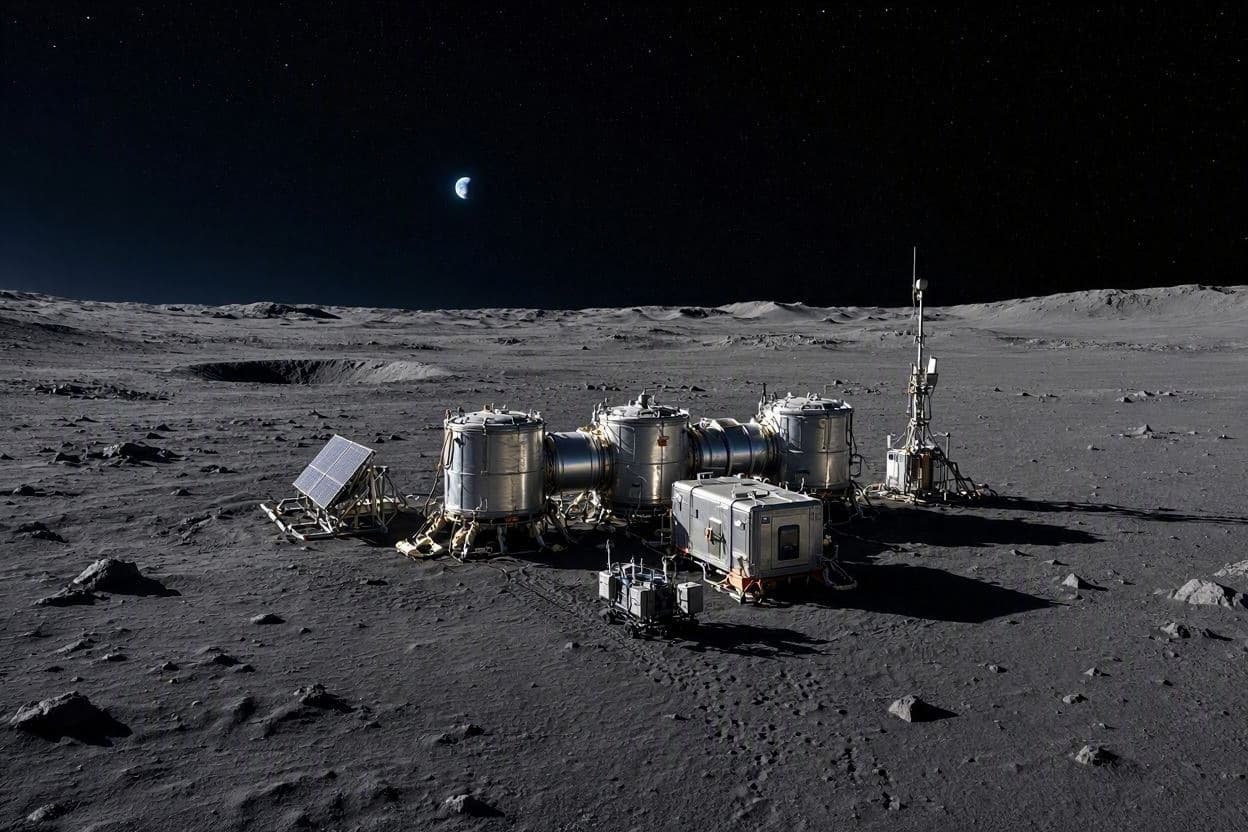
This perspective does not negate the value of lunar exploration. Scientific outposts, similar to those in Antarctica, are feasible and valuable for research. Small teams of astronauts can conduct experiments, study geology, and test technologies for deeper space missions. These bases would be temporary and specialized, focused on knowledge rather than colonization.
Reframing our goals from "cities" to "outposts" aligns better with the physical realities of the moon. It encourages a more modest and sustainable approach to space exploration, one that prioritizes scientific discovery over territorial expansion. This shift in mindset can lead to more realistic planning and better allocation of resources.
Ultimately, the moon remains a place of wonder and scientific opportunity. While it may not become home to millions, it can still serve as a stepping stone to the stars. By accepting its limitations, we can appreciate its true potential. The dream of lunar cities may fade, but the quest for understanding our cosmic neighborhood grows stronger.
AI Image Disclaimer: The visual content in this article is AI-generated to depict the themes of lunar exploration and scientific realism.
Sources: Scientific American, NASA, Space.com
Published by Banx Network. This article is part of the Banx decentralized media programme, powered by the BXE token on the XRP Ledger.